Using Shopify's Headless (Hydrogen) for Mobile Apps: Pros & Cons

Hydrogen's headless architecture makes it easier to connect your backend to a native app frontend. But building and maintaining that separate frontend is redundant work for most brands, because the app experience doesn't need to be that different from your site. MobiLoud is a simpler way to get the same result: it extends your existing storefront into native iOS and Android apps, fully synced, without a second codebase.
Hydrogen's headless architecture makes it easier to connect your backend to a native app frontend. But building and maintaining that separate frontend is redundant work for most brands, because the app experience doesn't need to be that different from your site. MobiLoud is a simpler way to get the same result: it extends your existing storefront into native iOS and Android apps, fully synced, without a second codebase.
Many Shopify brands move to Hydrogen (or consider it) with mobile apps in mind.
The idea: that headless architecture will make it easier, or more viable, to launch a mobile app for your store.
There’s some merit to this, and in a certain few situations, it could make sense. But most of the time, there’s a simpler way to do this.
The Hydrogen/Mobile App Misconception
Hydrogen is Shopify's React-based headless framework. It decouples your storefront from Shopify's default Liquid themes and connects to the Storefront API for product data, cart, checkout, and customer accounts.
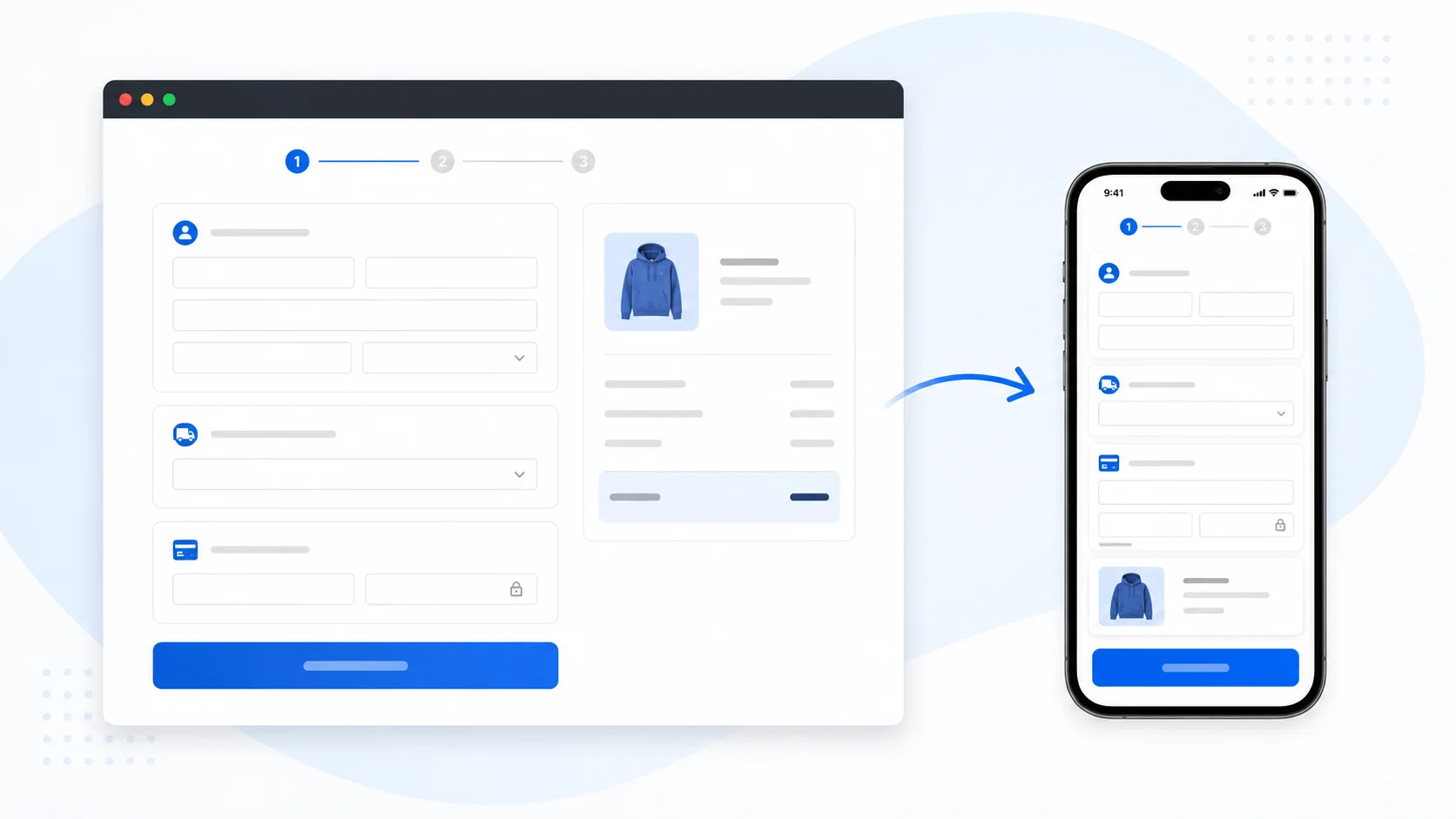
Hydrogen/Headless still means you need to build and maintain a separate frontend, if you want to launch a mobile app.
That’s not a small amount of work (and cost). And it means:
- Separate codebase
- Separate design system
- Separate team to maintain it
Every feature you add to your Hydrogen storefront needs to be built again in the native app. Promotions, redesigns, seasonal updates: duplicated.
With what you can do in terms of mobile-optimized web layouts today, plus the fact that you’re already building and optimizing your site with mobile shoppers in mind, there’s just not enough benefit to building a unique frontend for your app (particularly when you take the cost and overhead into account).
MobiLoud: A Simpler Path to a Native App
MobiLoud is a much more efficient way to handle your mobile apps - whether you’re already on Hydrogen, or still on a regular Shopify setup.
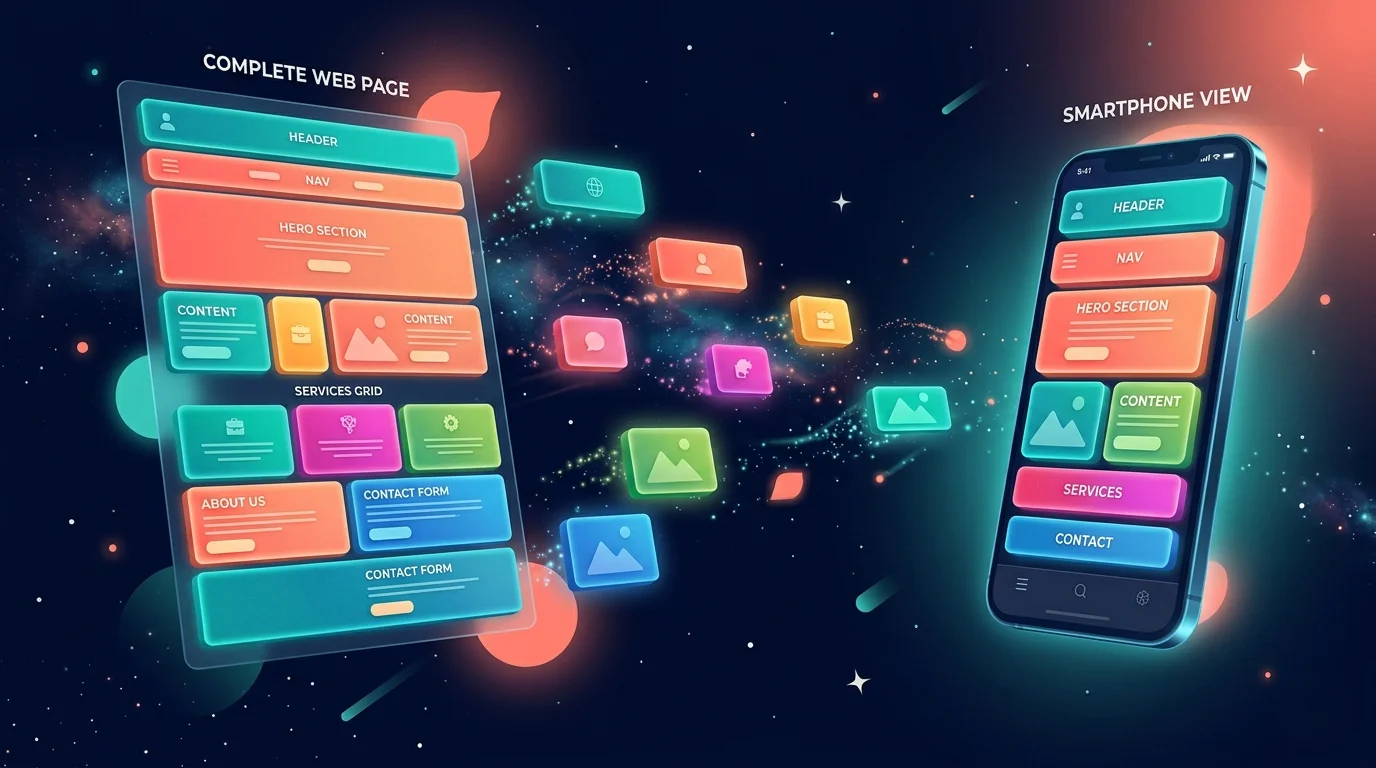
It converts everything from your site into a full-featured mobile app, fully synced with your store; when you make changes to your site, they reflect in your app at the same time.
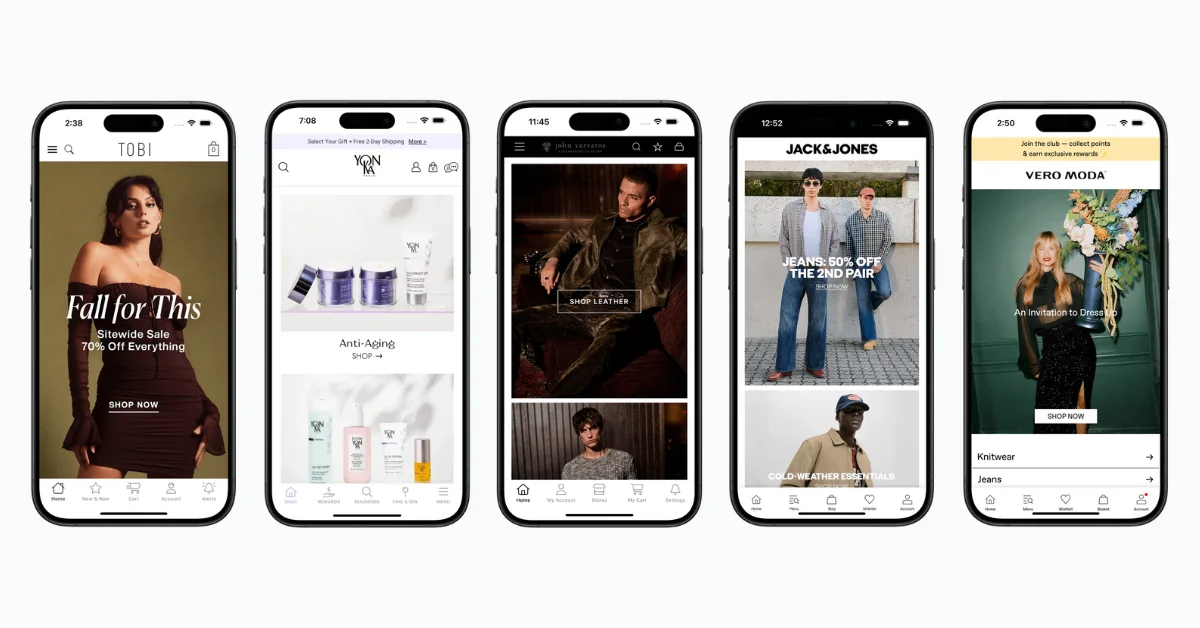
This saves a huge amount of redundant dev work, and also means that if you decide to make major changes to your backend architecture, you don’t have to rebuild your app at the same time.
"MobiLoud keeps this whole thing simple and streamlined. No more juggling two different platforms, no more wasted time on maintenance."
- Eric Lowe, Director of Ecommerce at XCVI (4.8x revenue per user in app vs mobile web)
MobiLoud & Hydrogen Synergy for Native Apps
If you’re using Hydrogen, MobiLoud is a natural fit for building your mobile app.
Why? Because you’re likely already pouring a huge amount of money and effort into building a unique, mobile-optimized frontend.
Hydrogen storefronts are purpose-built React applications with server-side rendering, optimized mobile layouts, and modern JavaScript.
With everything Hydrogen offers, outside of the constraints of Shopify’s Liquid themes, you can build a fully custom UI, responsive, mobile-first, which offers 90% of what a customer would expect from a shopping app.
Starting over and rebuilding a new frontend in React Native, Flutter or Swift/Kotlin means a whole lot of work for marginal gains.
MobiLoud, instead, transfers all the work you’ve put into your custom web storefront, and extends it into a mobile app - making it a true mobile app, with push notifications, native UI, publishable in the app stores.
The more custom your web store, the more reason to use MobiLoud, since it automatically carries over everything to your mobile app.
The Case for Custom Mobile Apps & Hydrogen
The truth: a custom-built React Native/Flutter/Swift app is the best you can get in terms of performance, UX, native device integration.
If you want the very best app possible, and nothing else matters, build native.
However, the difference in quality between a custom native app and MobiLoud’s approach is far less than the difference in cost, effort and ongoing complexity.
Your web storefront is already great. It’s fast, powerful, and it works fine on mobile.
You don’t need to pay $100K+, on top of the operational burden and financial overhead of maintaining a separate frontend, just for a relatively minor performance gain.
With MobiLoud’s approach, you get 95% of what you’d realistically get from a custom app, for 1% of the investment.
Your users likely won’t notice any difference. They’re not inspecting every pixel before they decide to buy. The UX, from their perspective, is the same.
It just makes sense - and completely changes the ROI picture when you’re not spending six-figures on your mobile app.
“If we had unlimited time and money, we would probably go for a custom native app, but that is half a million to a million a year to maintain.”
- David Cost, VP of Ecommerce, Rainbow Shops
Choosing the Right Mobile App Solution Before, During, and After a Hydrogen Migration
Another crucial point - if you’re debating whether or not to switch to Hydrogen (whether or not that’s because of the mobile app question, or other reasons entirely), MobiLoud also makes perfect sense.
MobiLoud is platform and frontend-agnostic. It works the same whether you’re on a regular Shopify setup, a headless build, or anything else.
You can turn your existing site into a mobile app. Then, if you rebuild your site on Hydrogen, build a custom frontend, or even switch to a different ecommerce platform entirely, you don’t need to rebuild your mobile app as well - because it’s powered by your web storefront.
Compare that to other Shopify mobile app builders, which are tied to specific platforms and APIs, and can easily break (or at least require a major overhaul) if you rework your website.
It’s an unrivaled level of flexibility. And with ecommerce changing at a faster pace than ever before, that flexibility is invaluable.
Final Thoughts
Hydrogen's headless architecture, with its shared Storefront API, does make it technically easier to connect a native app frontend to your Shopify backend. But building and maintaining that separate frontend is ultimately redundant work for the vast majority of ecommerce brands.
Your Hydrogen storefront is already fast, mobile-optimized, and purpose-built for your customers. The app doesn't need a different experience. It needs the same experience, distributed through the App Store with native push notifications and a home screen icon.
MobiLoud extends your storefront into native apps, fully synced, without a second codebase or a separate dev team. And it works whether you're on Hydrogen today, migrating tomorrow, or still on Liquid.
Book a free strategy call to see your storefront as a native mobile app.
FAQs

Convert your website into a mobile app