MobiLoud turns your web community into native iOS and Android apps. Members open it straight from their home screen, and push notifications bring them back whenever there's something new.
Friction costs you engagement: the easier it is for your members to interact, the more they will, and the more likely they'll stick around. An app makes everything easier, with push notifications that add a direct line to your users.
Your communitynow
New reply to your post
Three members have answered your question in the Founders group.
Bring members back to the conversation
Replies, mentions and new posts in the groups they follow can reach members on the lock screen, so a good thread never goes quiet waiting for someone to check in.
Tonight's Q&A starts at 7pm. Tap to join the call.
Fill every live session
A reminder on the lock screen an hour before a call, workshop or class reaches members when it's useful, not buried under last week's emails.
Your communitynow
You were missed this week
Twelve new posts in your groups since your last visit.
Catch members before they drift away
Cancellations usually start with members quietly dropping off. Your app keeps you on their home screen, and push lets you welcome back the ones who've gone quiet before their renewal comes up.
Built on your community site
Everything your members pay for, in your app
Your app runs on the community you've already built, so members get the same courses, conversations and perks they pay for on the web. Their access, their progress and their place in the community come with them, and there's nothing to rebuild.
Memberships and tiers
Each member sees exactly what their plan includes, with the same access rules you set on your site.
Courses and content
Lessons, video libraries, downloads and progress tracking work as they do on the web.
Discussions and groups
Feeds, threads, groups, direct messages and member profiles, with everyone signed in.
Live events
Event calendars, RSVPs, livestreams and links to your calls, ready for a reminder by push.
Member directory
Profiles, search and the ways members find each other all carry over.
Sign-in and SSO
Your login, single sign-on and social sign-in work, and members stay signed in between visits.
Badges and points
Leaderboards, badges and streaks from your community platform keep counting in the app.
Your integrations
Your CRM, email platform, chat and analytics keep working, because they already run on your site.
Keep running your community. We'll handle the app.
You keep building courses, hosting events and moderating on the platform you use today, and every change reaches the app. Our team takes care of everything specific to iOS and Android.
Your team
Runs the community, as today
Courses, posts and events, published on your site
Memberships, pricing and billing, managed where they are now
Moderation and member support, in the tools you use today
Announcements and reminders, sent from OneSignal
Our team
Builds, publishes and maintains your app
The design, build and testing of your iOS and Android apps
Publishing both apps under your own Apple and Google developer accounts
Keeping up with every OS update and Apple's and Google's rules for membership apps
Push notification setup for replies, events and announcements
A launch plan to get members to install, from your site to your emails and live sessions
Strategy and performance reviews (on Enterprise)
The process
Live in 2 to 4 weeks
We build, test and publish your app. Your team shares brand assets, reviews a test build and gives the final sign-off, and members keep using your community as normal throughout.
1Week 1
Kickoff
We agree on your app's setup and launch plan. You give us access to your site and developer accounts, plus a test membership so we can see everything your members see.
2Weeks 1 to 2
Build
We build the app on your live site and test sign-in, member areas, courses and events inside it. You'll see a working preview by week two.
3Weeks 1-2
Customize and test
Your brand is applied throughout, push notifications and analytics are connected, and we test on iOS and Android before you sign off.
4Weeks 2 to 4
Launch
Both apps go to Apple and Google for review under your accounts, usually a one to two week wait that we manage for you. Then we help you announce the app to your members.
What community owners ask us
Have any more questions we didn't answer? Book a 30-minute call or send us a message
to clear it all up.
Which community platforms does MobiLoud work with?
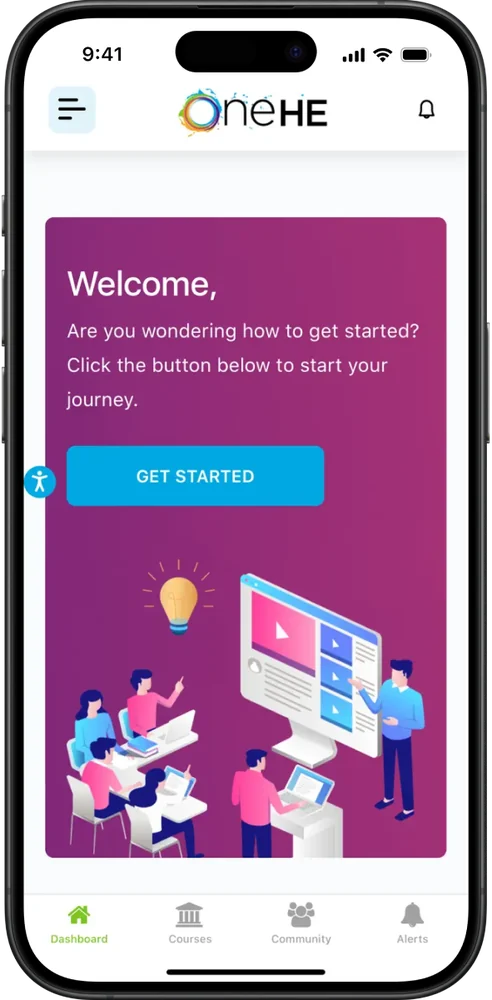
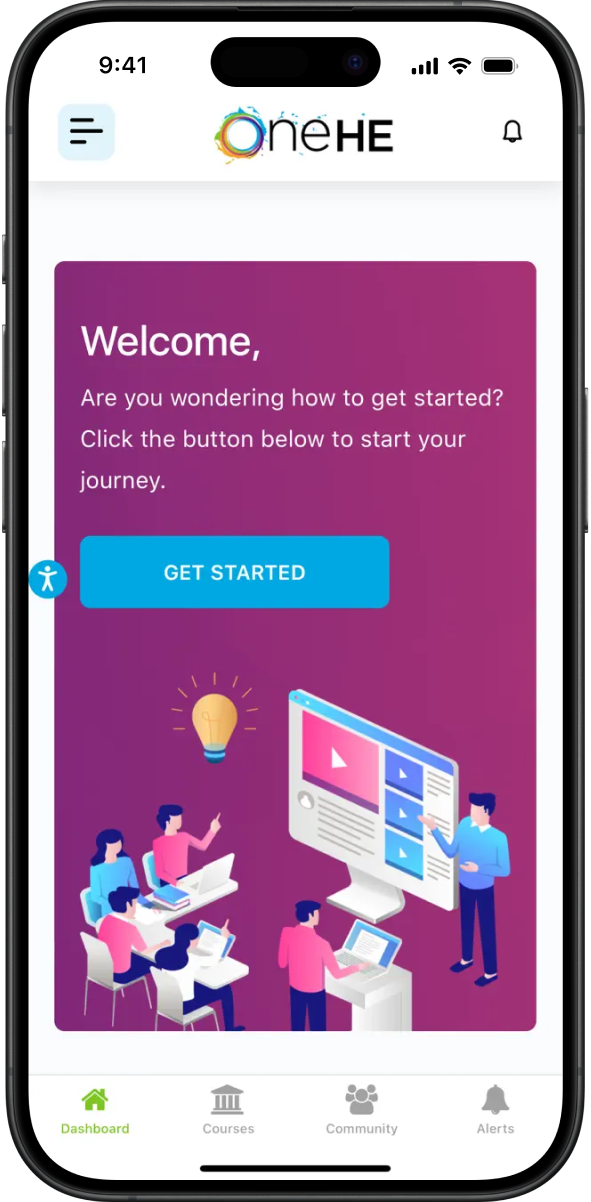
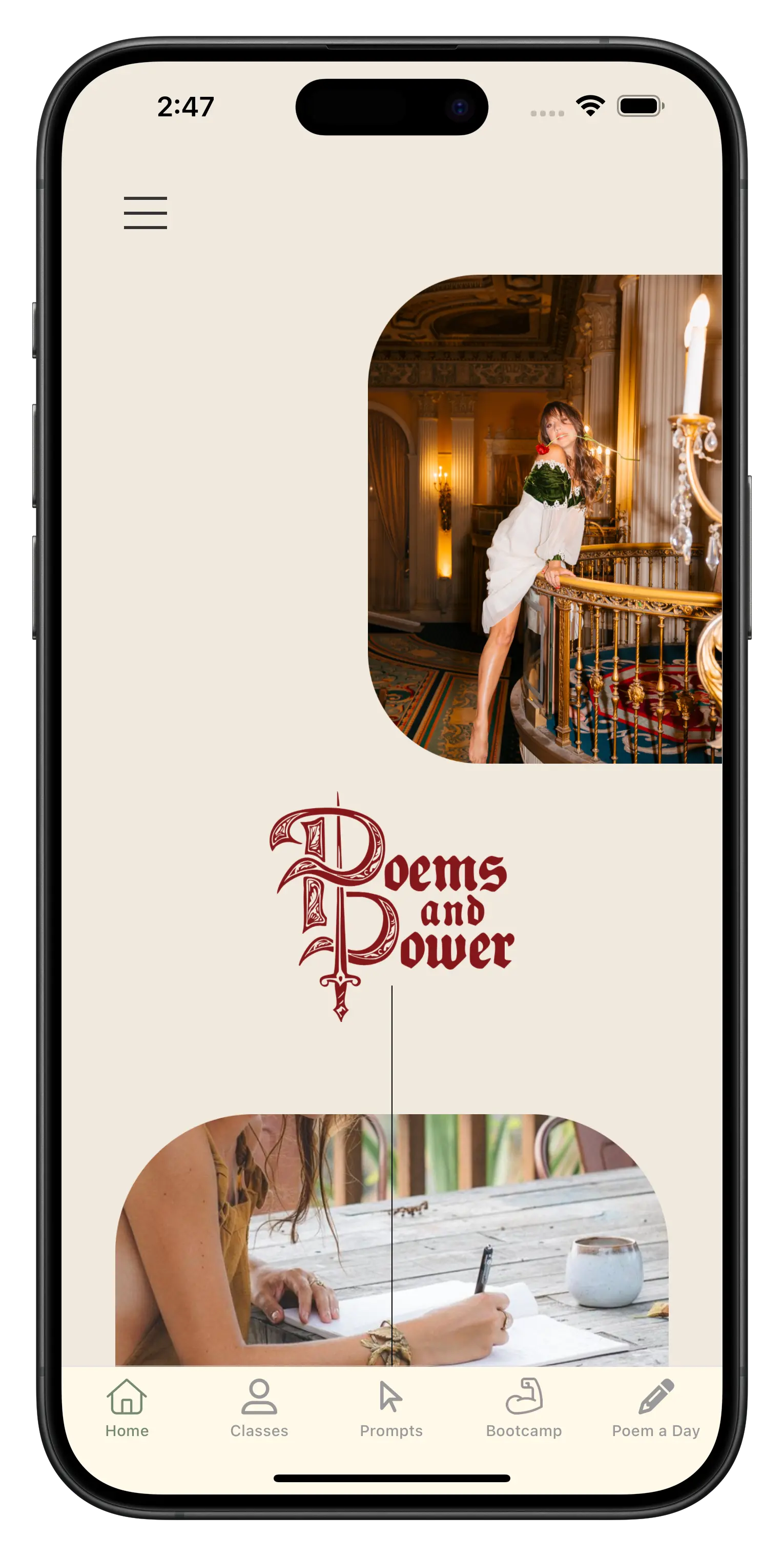
Any community that runs on a website: WordPress with BuddyBoss, BuddyPress, MemberPress or LearnDash, Discourse, membership sites on Squarespace and custom platforms. If it works well in a mobile browser, it can power your app. OneHE runs on WordPress and BuddyBoss, and Poems and Power runs on Squarespace.
We're on Circle, Mighty Networks or Kajabi. Is MobiLoud right for us?
It depends on where your community lives. Hosted platforms put your community in their own app, or in a branded app built from their templates, so anything outside the platform stays behind. MobiLoud builds your app on your community's website, including the pages, courses and tools you run elsewhere. Book a call and we'll look at your setup with you and tell you what your app can do.
Do members have to log in every time they open the app?
No. Members sign in once and stay signed in between visits, with your own login, single sign-on, or sign in with Apple, Google or Facebook. Tapping the icon takes them straight back into the community.
Do members-only areas and membership tiers work in the app?
Yes. Access rules stay on your site, so each member sees exactly what their plan includes, in the app as on the web. Private groups, gated courses and paid tiers all work without a second set of rules to keep in sync.
Can members join or pay for a membership inside the app?
Apple and Google have strict rules on selling digital memberships inside an app, and they vary by country. A common approach is for members to join on your website and sign in to the app with the membership they already have. We'll take you through the options for your community before we submit the app.
How do push notifications work?
Push goes through your own OneSignal account. Send announcements and event reminders from the OneSignal dashboard, or trigger notifications for replies, mentions and new posts from your community platform through OneSignal's API. Each notification opens the right page in the app, and our team helps you set up your first campaigns.
Can we send notifications to specific groups of members?
Yes. Your site can tag members in OneSignal by plan, group, course or interest, so a cohort, a local chapter or your top tier only gets the notifications meant for it.
Do videos and live sessions work in the app?
Yes. Video hosted on Vimeo, Wistia, YouTube or your course platform plays in the app, and links to live sessions on Zoom or your own streaming tool work as they do on your site.
Will Apple approve our community app?
Yes. Apple rejects apps that only repackage a website, which is why your app gets native navigation, push notifications, persistent login and deep links. We handle the submission and anything a reviewer asks, and we've published more than 2,000 apps since 2013.
What does a community app cost?
The Business plan is $1,499 a month, or $1,274 a month billed annually, plus a one-time fee to build and publish the apps, and it includes up to 10,000 monthly active users. Enterprise is custom-priced. For a paid community, the plan pays for itself in members who stay: at a $50 monthly membership, it takes 30 members renewing instead of cancelling.
How long does it take to launch?
Plan on 2 to 4 weeks from kickoff: about one to two weeks to build, customize and test, then App Store and Google Play review, which usually takes one to two weeks. Your community keeps running as normal the whole time.
How do we get members to install the app?
Members who already pay you are the easiest audience you have. We plan the launch with you: an announcement in the community and by email, a banner on your mobile site, a mention on your live calls and an app-only perk, like early access to new content.
Who owns the app?
You do. We publish both apps under your own Apple Developer and Google Play Console accounts, so the listings, reviews, members and data belong to you. MobiLoud owns the platform that builds the app, and if you ever move on, your listings and members stay with you.
Get a free preview of your community app
Get on a short call to discuss your project. After the call, we'll build a free, interactive preview of your app to show you what's possible.