Mobile apps for Magento
Launch a branded mobile app with your theme, your extensions and your checkout intact. Every custom module and pricing rule keeps working, with no rebuild and no second codebase.
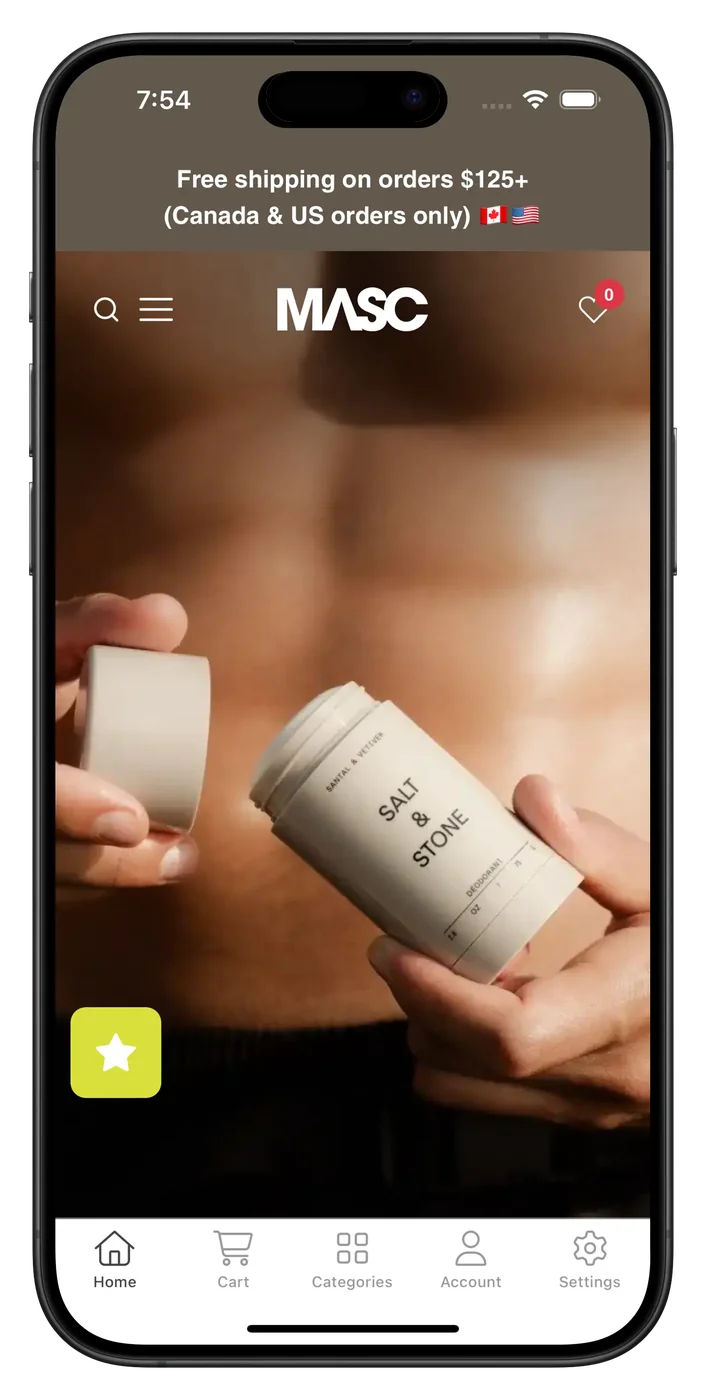
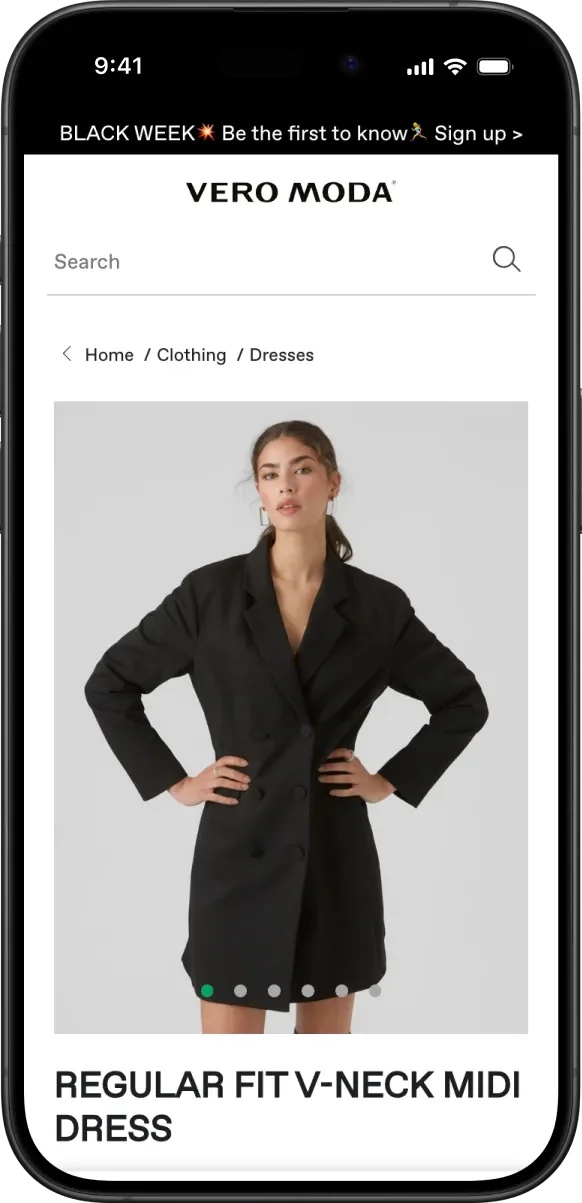
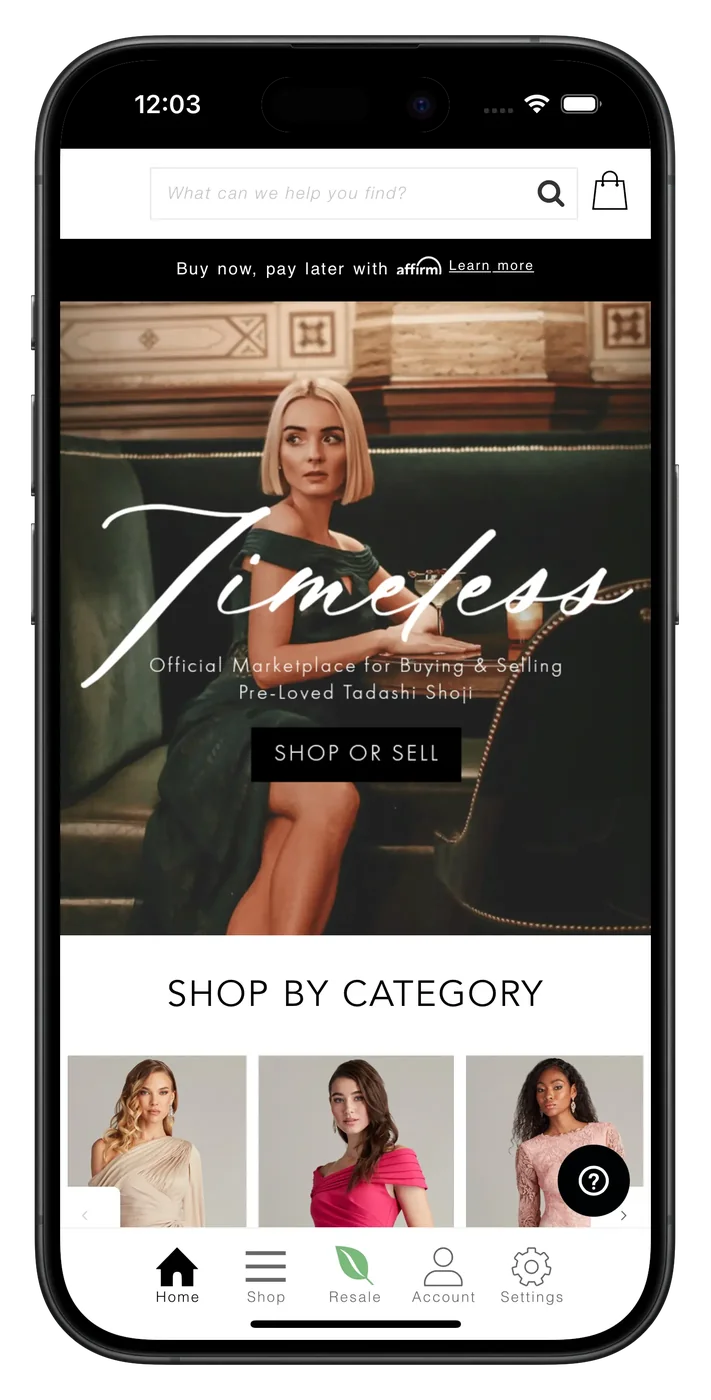
2,000+ apps published since 2013








How it works
MobiLoud turns your existing Magento storefront into full featured native apps for iOS and Android. It's powered by your live storefront, so every extension, every custom module and every enhancement your agency built works in your app as it does on the web.
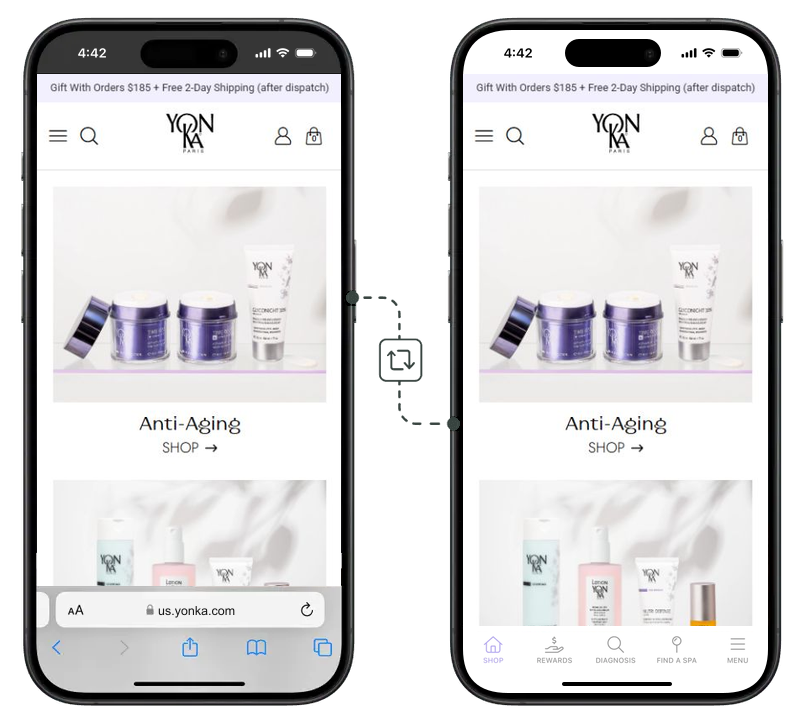
No templates, and nothing rebuilt against GraphQL. The app loads the storefront you already run, so your theme, your extensions and your checkout come with it.
MobiLoud's team adds the native pieces: tab bar and navigation, push notifications, deep linking, social sign-in and UI tweaks, then ships your app as iOS and Android binaries.
Our team handles store review and submission, and the app goes live under your own Apple and Google accounts. You keep merchandising from the Magento admin exactly as you do now.
You get an app with all the features customers expect from a native app: tab bar, navigation, gestures, push and login, all native, all built into the app. We've had 2,000+ apps published on the App Store and Google Play, and know what your app needs to look and perform at its best.
What carries over
Most app builders can't replicate what a Magento storefront does. They rebuild your catalogue against the API, and the extensions, custom modules and pricing logic you have spent years on are left behind.
MobiLoud is not most app builders. MobiLoud keeps everything from your storefront in the app, including the customization that makes it yours.
Luma, a heavily customized child theme or a Hyvä front end, the app renders whatever you serve. Years of agency work carry over unchanged.
Marketplace extensions and the bespoke modules written for your store keep working, because they keep running on your storefront rather than being re-integrated.
Customers check out through your existing checkout, with your payment methods, tax rules, shipping logic and any custom checkout steps intact.
Multiple websites, store views, currencies and languages work in one app, and each can get its own menu, push notifications and onboarding.
Customer groups, tier pricing, catalog price rules and cart price rules apply in the app exactly as configured, so a logged-in buyer sees their own prices.
Whether B2B behaviour comes from extensions or from code your agency wrote, it behaves in the app the way it behaves on the web.
Elasticsearch, Algolia, category rules and CMS blocks are live in the app the moment they are live on the web.
Nothing moves. The app points at the storefront you already host, so there is no migration, no sync job and no second source of truth.
Works with tools like:
...And every other extension on your storefront. See all integrations
The operating model
The real cost of a mobile app isn't the build: it's the operational tax of having to manage a separate platform. MobiLoud removes all of that. Your team manages the app from the Magento admin, and we take care of the native side.
Your team
Continues working as you do today
Our team
Handles the native updates and technical maintenance
No second CMS. No second release cycle. No new headcount.
A new retention channel
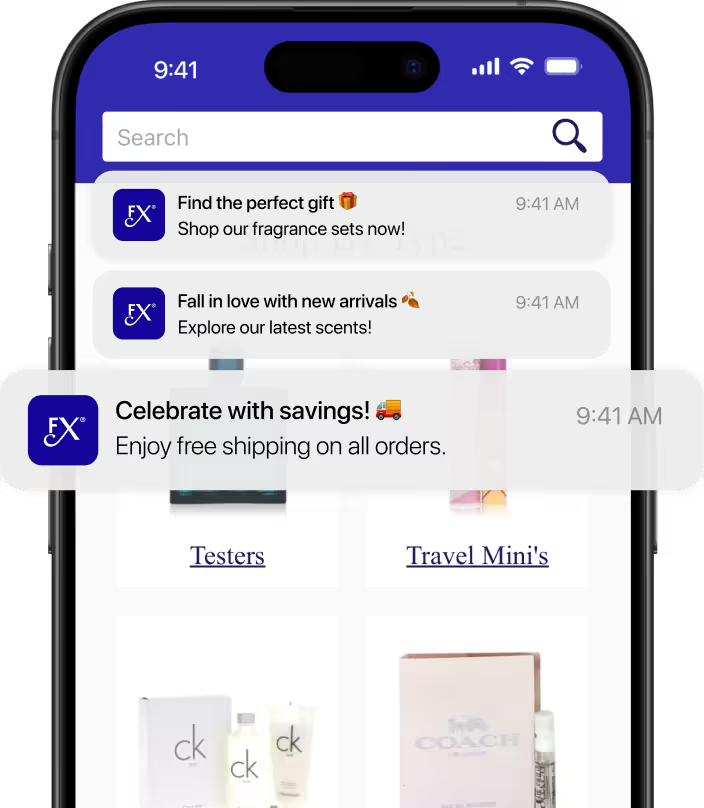
An app unlocks a channel your website cannot. Push notifications land on the lock screen in seconds, with no promotions tab, no spam filter and no cost per send.
Run push notifications for promotions, new product drops and launches, back-in-stock alerts, abandoned carts, loyalty reminders and more, driving free engagement from your highest-intent customers.
The proof
30%
of mobile revenue through the app
Tadashi Shoji
8.3x
higher conversion rate
Tadashi Shoji
5.1x
revenue per user vs mobile web
MASC
10x
revenue per user vs mobile web
John Varvatos
"Everyone in management loves it. Tadashi Shoji himself saw the app and was thrilled. Because we're using an app, we have the ability to leverage native device features and capabilities that are not available to a web browser."
"We tried a handful of different options in the market in terms of app builders, as well as reaching out to countless freelancers. Nothing out there provided us with the ease and accessibility that MobiLoud did to our team."
MobiLoud vs the alternatives
Traditional app development methods aren't a great fit for a Magento storefront. They limit you to what an API can expose, or leave you with a codebase that costs far too much to maintain.
MobiLoud
Template app builders
Custom native
Weighing us against one builder in particular? See all comparisons.
Getting live
We do the work. You bring the assets, and input where it's needed.
Week 1
Onboarding call to align on configuration and launch plan, plus access to your storefront and developer accounts.
Weeks 2 to 3
We build and configure the app on your live storefront, with tab menus and navigation rules. Every extension carries across, and you have a working preview in your hands by week two.
Week 4
Design and navigation tuned to your brand, push wired into your Klaviyo or OneSignal account, analytics into GA4 and Firebase. QA across iOS and Android, then final approval from you.
Weeks 5 to 8
Submitted to the App Store and Google Play under your developer accounts. We manage both store reviews, typically one to two weeks, then the launch playbook goes live.
We can deliver everything your legal, security and finance teams will ask for:
Have any more questions we didn't answer? Book a 30-minute call or send us a message to clear it all up.
Book a callYes. A MobiLoud app loads your live storefront, so every Marketplace extension and every custom module written for your store keeps working, because it keeps running on your storefront. There is nothing to re-integrate, no compatibility list to check, and no module that has to be ported to a second stack.
Yes. Whether you run Luma, a heavily customized child theme or a Hyvä front end, the app renders exactly what your storefront renders. Years of agency front-end work come through as built, and a template change you deploy today is in the app today.
No. MobiLoud works with whatever front end you serve today, so there is no replatforming prerequisite and no PWA build to commission. If you migrate your front end later, the app points at the new one rather than being rebuilt, and you keep your listings, ratings and install base.
No. Customers check out through your existing checkout, with your payment methods, tax configuration, shipping rules and any custom checkout steps intact. No payment routing moves to a third party, and your order flow is unchanged.
Yes. Customer groups, tier pricing, catalog price rules and cart price rules apply in the app exactly as they are configured, because the app renders the same storefront that already applies them. A logged-in wholesale buyer sees their own prices without any extra setup.
Yes. A multi-website or multi-store-view setup can run as a single app that switches between them, or as separate apps, whichever fits how you sell. Each can have its own navigation, push notification audience and onboarding, and multi-currency and multi-language work exactly as they do on the web.
Most Magento storefronts go live on the App Store and Google Play in 6 to 8 weeks from kickoff. That covers discovery and design in week one, the build in weeks two and three, QA and your sign-off in week four, then submission and store review, which typically takes one to two weeks.
MobiLoud is a flat monthly subscription that covers the build, the launch and ongoing maintenance, with no revenue share and no per-transaction fee. Building the same app natively runs to $250K to $1M+ a year once you count the developers, QA and store maintenance it takes to keep two codebases alive.
Keep shipping to the storefront the way they do now. There is no app QA gate on a Magento release, no second codebase and no GraphQL schema to extend. We handle the native side permanently: OS releases, SDK deprecations, certificate renewals and store policy changes.
We'll build a working preview from your live storefront for you to see. No commitment, no credit card, and nothing to install on your storefront.




