Reach readers the moment news breaks
A push notification lands on the lock screen seconds after you send it, with no inbox or feed to get through. Alert your whole audience, or only the readers who follow that section, team or topic.
Mobile apps for news and media brands
MobiLoud turns your website into native iOS and Android apps, built on the site your newsroom already publishes to. Your readers come straight to you, with no search engine or social feed deciding what they see.
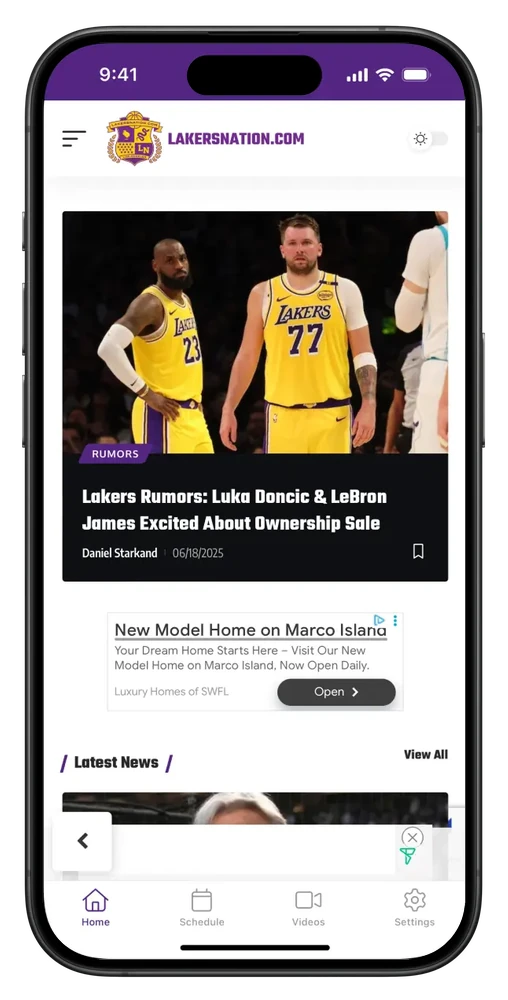
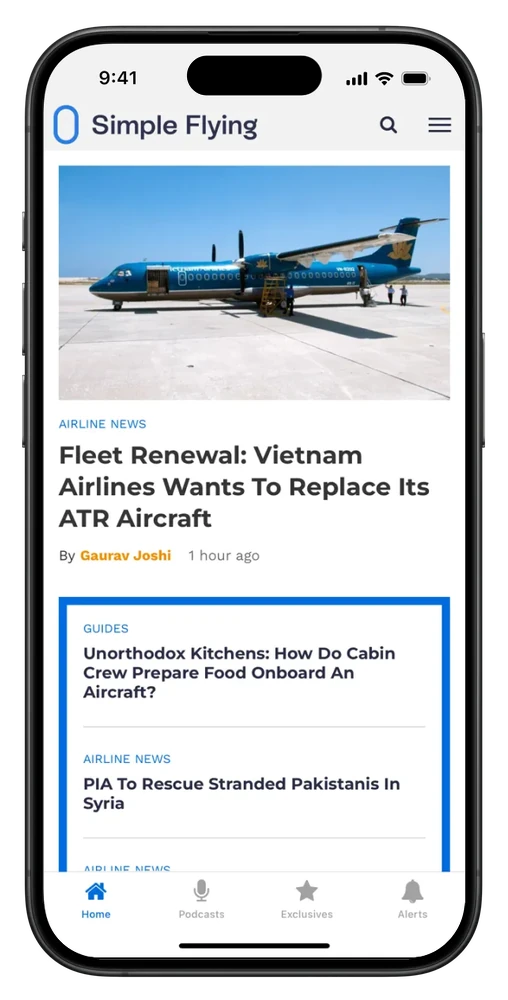
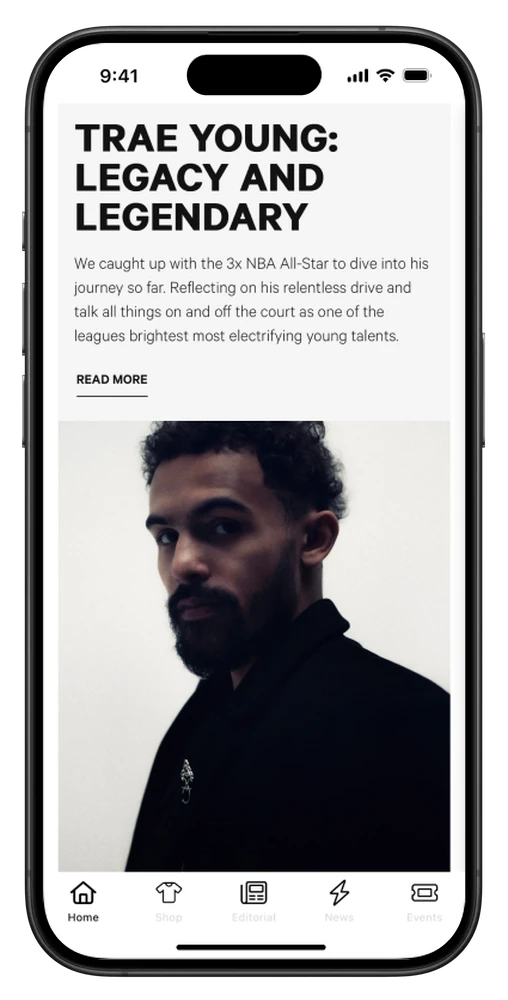
2,000+ apps published since 2013








What an app does for online publishers
Search and social send you readers on their terms, and the terms keep changing. An app puts your publication on the home screens of your most loyal readers, and push notifications reach them in seconds, driving regular traffic and engagement you control.
A push notification lands on the lock screen seconds after you send it, with no inbox or feed to get through. Alert your whole audience, or only the readers who follow that section, team or topic.
Subscribers sign in once and stay signed in, so your paywall knows them every time they open the app. The easier you are to read, the more reasons they have to renew.
Readers from search and social read one story and leave. The ones who install your app came for your publication, and with you a tap away, they come back day after day.
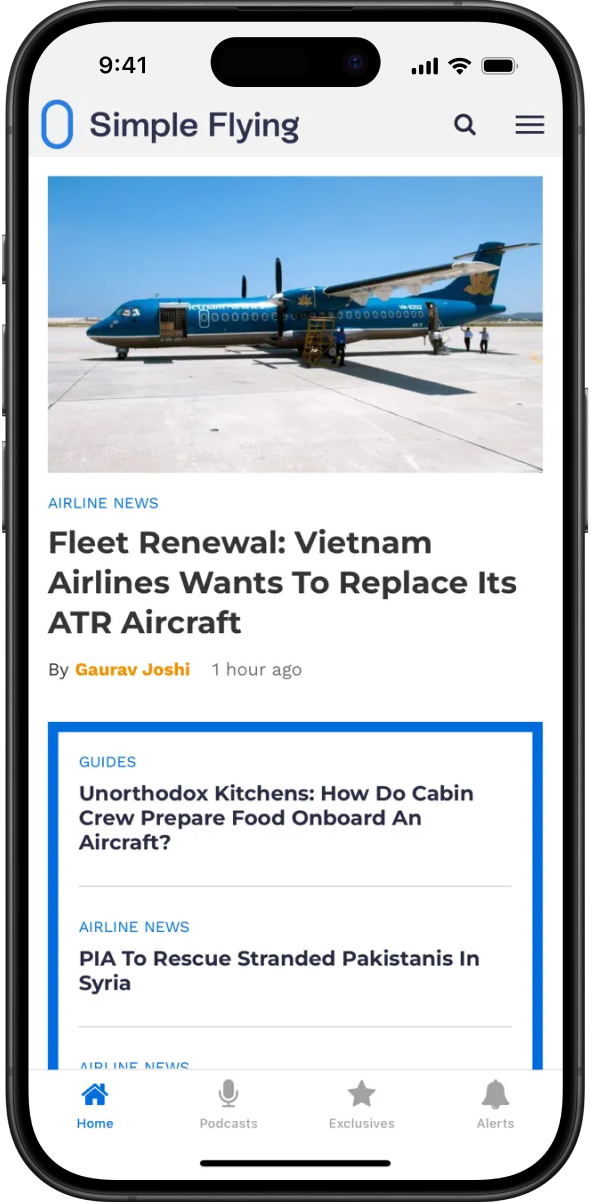
94 articles a month per app reader, against about two on the web (Simple Flying)Your ads run in the app just as they do on your site, and app readers come back more often and stay longer, so each of them is worth more to you.
6 sessions a month per app user, at about 10 minutes each (Medium Large Sports Media)Built on your site
Your app runs on your live site, so every story your newsroom publishes is in the app the moment it's on the web. The templates, ad slots and subscriber access you've built over the years come with it, and there's nothing to rebuild.
WordPress VIP, Arc XP, Drupal or a custom CMS. Editors publish the way they do today, and there's no app feed to manage.
Live blogs, galleries, video, podcasts, interactives and long reads look and work as they do on your site.
Your ad tags, header bidding and direct-sold placements run in the app as they do on your site.
Metered, hard and registration walls work as they do today, with subscribers signed in between visits.
Newsletter forms, registration and account pages work in the app, so it grows your list as well.
Your consent banner and privacy settings carry over, so the app follows the same rules as your site.
Chartbeat, Parse.ly and GA4 keep measuring, and app visits show up as app visits.
Comment sections, saved articles and reader accounts work for everyone signed in.
Works with tools like:
...and every other tool on your site. See all integrations
MobiLoud vs the alternatives
Your newsroom never stops publishing, so your app can't wait for a separate team to catch up. MobiLoud gives you a full-featured app, without a second product to build and run.
MobiLoud
News app builders
Custom native
Weighing us against one approach in particular? See all comparisons.
Case studies
Each of these publishers launched its app on the site its newsroom already runs, and found its most engaged readers there.
Simple Flying
Aviation news
94 articles a month per reader
GV Wire
Regional news
Medium Large Sports Media
Sports media network
6 Monthly Sessions Per User
Sports Mockery
Sports news
"MobiLoud did the heavy lifting, from build to launch, so we got a lightning-fast app without slowing our newsroom down. Fans love it; we've had zero complaints since day one."
"If you already have a really good mobile site, I don't really see the benefit of rebuilding an app to go with it from scratch when you can convert your site."
The operating model
Your editors, writers and operations keep doing what they do. We take care of the technical side, so you don't have to learn anything new.
Your team
Publishes and sells as today
Our team
Builds, publishes and maintains your app
Getting live
We build, test and submit the apps. Your team shares brand assets, reviews a test build and gives the final sign-off, and the newsroom keeps publishing throughout.
Week 1
We agree on your app's sections, alerts and launch plan, and you give us access to your site and developer accounts. If you're replacing an app, we plan the switch to its existing listings.
Weeks 1 to 2
We build the app on your live site and test your story formats, ads, paywall and sign-in inside it. You'll see a working preview by week two.
Weeks 1-2
Your brand is applied throughout, push notifications and analytics are connected, and we test on iOS and Android before you sign off.
Weeks 2 to 4
Both apps go to Apple and Google for review under your accounts, usually a one to two week wait that we manage for you. Then we help you announce the app to your readers.
We can deliver everything your legal, security and finance teams will ask for:
Have any more questions we didn't answer? Book a 30-minute call or send us a message to clear it all up.
Book a callNo. The app runs on your live site, so a story published in your CMS is in the app the moment it's on the web. There's no app feed to maintain, no second set of templates and no app release needed to get a story out.
Push goes through your own OneSignal account. Your newsroom can send an alert by hand from the OneSignal dashboard, or trigger it automatically from your CMS through OneSignal's API when a story publishes. Readers can choose the sections, teams or topics they want alerts for, and each alert opens the story in the app.
Yes. The app shows your live site, so your ad tags, header bidding and direct-sold placements load in the app as they do in a mobile browser. App readers also come back more often and read more on each visit, so they see more of your inventory.
Yes. Metered, hard and registration walls stay on your site, so the same rules apply in the app. Subscribers sign in once and stay signed in between visits, so your paywall recognizes them every time.
Apple and Google have their own rules for selling digital subscriptions in an app, and they vary by country. A common approach is to let subscribers sign in to the subscription they bought on your website and keep sign-up on the web. We'll take you through the options for your app before we submit it.
Yes. We build the new app on your site, and in most cases we publish it as an update to your existing App Store and Google Play listings, so your ratings, reviews and readers who already have the app carry over.
The app loads stories from your own site and CDN, so it scales the way your site already does when a big story breaks. Push notifications themselves go out through OneSignal, and MobiLoud charges nothing per notification.
Yes. Apple rejects apps that only repackage a website, which is why your app gets native navigation, push notifications, persistent login and deep links. We handle the submission and anything a reviewer asks, and we've published more than 2,000 apps since 2013.
Any CMS that publishes to the web: WordPress and WordPress VIP, Arc XP, Drupal, Ghost, headless front ends and custom systems. If your site works well in a mobile browser, it can power your app. Simple Flying, GV Wire and Sports Mockery all run on WordPress.
App usage flows into GA4 and Firebase under your own Google account, and the tools on your site, like Chartbeat and Parse.ly, keep measuring. You can see how app readers compare with your web audience in the reports you already use.
The Business plan is $1,499 a month, or $1,274 a month billed annually, plus a one-time fee to build and publish the apps. It includes up to 10,000 monthly active users, with $50 per 1,000 above that. Enterprise is priced in tiers by active users, and adds a dedicated success manager and an SLA. A custom native app typically costs $250,000 to $1M+ a year.
Plan on 2 to 4 weeks from kickoff: about one to two weeks to build, customize and test, then App Store and Google Play review, which usually takes one to two weeks. Your newsroom keeps publishing as normal the whole time.
We plan the launch with you: a smart banner on your mobile site, an announcement in your newsletter and on social, and a reason to install now, like alerts for a team or a morning briefing. Every push then brings readers back, and every reader who installs is one you can reach directly.
You do. We publish both apps under your own Apple Developer and Google Play Console accounts, so the listings, reviews, readers and data belong to you. MobiLoud owns the platform that builds the app, and if you ever move on, your listings and readers stay with you.
Get on a short call to discuss your project. After the call, we'll build a free, interactive preview of your app to show you what's possible.