How to Increase Customer Lifetime Value in Ecommerce: 14 Proven Strategies

Mobile app users generate 2.8-5x higher lifetime value than web-only shoppers, and returning customers spend 67% more per order than first-time buyers. This guide covers 14 strategies to increase CLV, from quick pricing adjustments to loyalty programs and mobile apps, with real data from brands that have done it.
Mobile app users generate 2.8-5x higher lifetime value than web-only shoppers, and returning customers spend 67% more per order than first-time buyers. This guide covers 14 strategies to increase CLV, from quick pricing adjustments to loyalty programs and mobile apps, with real data from brands that have done it.
In ecommerce, there’s one metric that moves the needle more than anything else: customer lifetime value.
Strong lifetime value is the key to a scalable, sustainable business. It means customers are coming back and buying regularly, and each dollar you pump into new customer acquisition is going further.
Keep reading for the complete guide on how to boost your store’s customer lifetime value - including the one massive lever that most ecommerce brands aren’t using.
14 Strategies to Increase Customer Lifetime Value
Here’s the secret to increasing customer lifetime value:
There’s not one magic bullet waiting for you. There are numerous levers you can pull - and it’s not hard to stack multiple improvements to engineer a meaningful lift in LTV.
Here are 14 ways to lift LTV. Execute on just half of them, and you could see a major change in your unit economics and cash flow.
1. Launch a Mobile App
Mobile app users consistently generate the highest lifetime value of any ecommerce channel. According to the MobiLoud Ecommerce Benchmark Report, app user CLV is 2.8-5x higher than web-only shoppers, and 60% of first-time app buyers go on to make additional purchases.
Why the gap is so large:
- Higher purchase frequency. App users purchase roughly 33% more often than non-app users. The app icon sits on their home screen next to Amazon and Instagram, which means your store is one tap away instead of a Google search away.
- Higher conversion rates. Apps deliver 1.7-3x higher conversion rates than mobile web. One wellness brand in the benchmark study converts at 9.1% in-app vs. 1.1% on mobile web.
- Higher order values. Apps provide 10-50% higher AOV than mobile web, likely because the streamlined checkout and saved payment details reduce friction.
- Push notifications. You get a direct, low-cost re-engagement channel. Automated abandoned cart pushes alone generated $10,000-$200,000+ in additional monthly revenue for the brands studied.
Rainbow Shops saw a 7x increase in mobile customer lifetime value after launching their app. John Varvatos generates 10x more revenue per app user than mobile web, with a 4x higher purchase rate.
"The app's been invaluable to us. The cost we're paying versus what we're getting back is tenfold."
-- Nick Barbarise, Director of IT at John Varvatos
The best part: you don't need to build an app from scratch. With a service like MobiLoud, you can turn your existing website into a native iOS and Android app in about a month, keeping all your existing features, integrations, and design intact.
This could be the fastest and most effective way to elevate your customer lifetime value.
2. Launch (or Improve) Your Loyalty Program
Loyalty program members generate 12-18% more revenue than non-members, according to Accenture. And 85% of shoppers say they're more likely to buy from brands with loyalty programs.
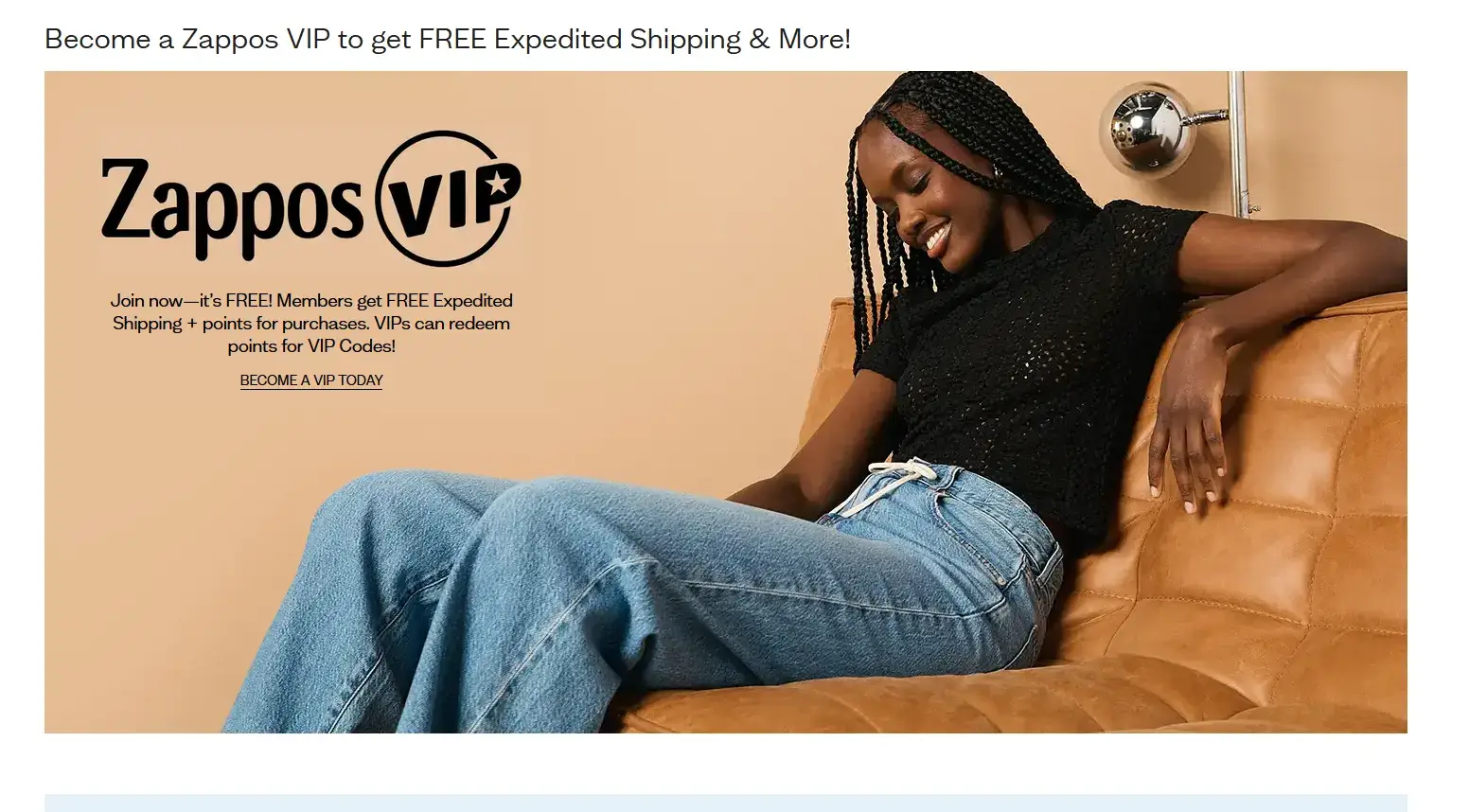
The key is designing a program that rewards the behavior you want. Points-per-dollar is the default, but the programs with the highest CLV impact use tiered structures.
- Sephora's Beauty Insider (Insider, VIB, Rouge tiers) creates aspiration where customers spend more to reach the next level.
- Starbucks Rewards combines points-per-dollar with status and convenience (order-ahead, free drinks), which is part of why their app drives such high repeat purchase rates.
- Amazon Prime takes a different approach entirely: a paid membership that locks in loyalty through shipping benefits, creating switching costs that keep customers buying repeatedly.
What to look for in a loyalty platform:
- Tiered rewards that create progression (not just flat points-per-dollar)
- Points for non-purchase actions like reviews, social shares, and referrals
- Integration with your existing stack so points display correctly across web, email, and app
Tools like Smile.io, Yotpo, and LoyalLion are the most popular options on Shopify.
Yon-Ka Paris, a MobiLoud customer, integrates their Yotpo loyalty program with their mobile app, offering extra points for in-app purchases, which drives both app adoption and repeat buying.
This is a lever that a lot of brands are using, but not to its full potential.
3. Subscriptions
Subscriptions transform one-time buyers into recurring revenue with dramatically longer customer lifespans.
Dollar Shave Club built a billion-dollar brand largely on the strength of subscription CLV; customers who subscribe stay longer and spend more than those who buy one-off.
If you sell consumable products (supplements, skincare, coffee, pet food), giving customers a subscribe-and-save option is one of the simplest ways to lock in higher CLV.
The model works because it solves a real problem: customers don't have to remember to reorder, and they often get a small discount (typically 10-15% off) for committing.
For the brand, it’s a recurring revenue stream that’s one of the most reliable ways to keep customers buying from you for longer - and spending more over their lifetime as a customer.
Read more: Best Subscription Apps for Shopify Stores
4. Use Push Notifications, Email, and SMS Strategically
Direct marketing channels are the backbone of lifetime value. The core channels in your stack are email, SMS and push notifications.
Each channel has a different strength, and using them together drives more repeat purchases than any single channel alone.
Push notifications are your most effective channel on a user for user basis: visible, low-cost, and land inside the native app where checkout is one tap away.
Email is still the foundation for lifecycle marketing. Welcome sequences, post-purchase flows, and win-back series are where tools like Klaviyo and Omnisend shine. Email is best for longer-form content: product education, brand storytelling, and detailed promotions.
SMS works for time-sensitive messages: flash sales, back-in-stock alerts, and shipping updates.
The highest-performing brands layer all three. A customer abandons their cart; they get a push notification within an hour, an email the next morning, and an SMS 24 hours later if they still haven't converted.

For a deeper breakdown, see our comparison of push notifications vs email vs. SMS.
5. Personalize the Shopping Experience
77% of consumers have spent more money or recommended a brand that offered a personalized experience, according to Twilio. Personalization increases CLV by making every interaction feel relevant, which boosts both conversion rate and purchase frequency.
The most impactful personalization tactics for CLV:
- Product recommendations based on purchase history. If a customer bought running shoes, show them running socks and insoles, not random bestsellers. Certain Shopify apps together with Shopify's native recommendations make this automated.
- Segmented email flows. A customer who's bought three times should get a different email than a first-time buyer. Segment by purchase count, product category, and average spend.
- Dynamic homepage content. Show returning visitors their recently viewed items, back-in-stock products from their wishlist, or category-specific promotions.
- Personalized push notifications. Instead of blasting the same promo to everyone, segment by purchase behavior. A customer who bought from your skincare line gets notified about new skincare arrivals, not shoe sales.
The key is using the first-party data you already have (purchase history, browse behavior, email engagement) rather than relying on third-party cookies that are going away.
6. Set Up Automatic Cross-Sells and Upsells
Once someone has made a purchase, they've demonstrated trust. That makes the post-purchase window the best time to sell them more.
- Cross-sells recommend complementary products. A customer buying a camera gets shown memory cards and a carrying case. A skincare customer buying moisturizer sees the matching serum.
- Upsells encourage upgrading. The customer adding the basic plan gets shown the premium version with its additional features.
The most effective placements:
- Cart page / checkout: "Frequently bought together" bundles.
- Post-purchase page: The "thank you" page is prime real estate for a one-click add-on offer.
- Email: Post-purchase emails sent 3-7 days after delivery with related product suggestions.
Brands like XCVI see 30% higher AOV in their mobile app, partly because the streamlined shopping experience makes it easier for customers to browse and add complementary items.
7. Optimize Your Post-Purchase Experience
The gap between clicking "buy" and receiving the product is where many brands lose future revenue. A great post-purchase experience turns a transaction into a relationship.
What matters the most is:
- Fast, proactive shipping updates. Don't make customers check tracking manually. Send automated updates at key milestones (shipped, out for delivery, delivered).
- A memorable unboxing experience. Branded packaging, a handwritten thank-you card, or a small surprise sample. These are inexpensive and make customers feel valued.
- Easy returns. A frictionless return process increases the likelihood of a future purchase, even when the current one didn't work out.
- Follow-up check-in. A simple email 7-10 days after delivery asking if everything arrived okay and if they need help. This prevents negative reviews and opens the door for repeat buying.
The brands that treat post-purchase as an active retention strategy, rather than a logistics afterthought, see measurably higher repeat purchase rates.
8. Nail the First-Purchase Experience
The biggest drop-off in customer lifetime value happens between the first and second purchase. If a customer never comes back after their first order, their CLV is whatever that single order was worth.
Strategies to maximize the first-to-second purchase conversion:
- A welcome series that starts immediately. After the first purchase, trigger a 3-5 email sequence that introduces your brand story, showcases best-selling products, and offers a time-limited incentive for the second order.
- A "second purchase" discount. Something modest (10-15% off) with a 30-day expiry creates urgency without training customers to wait for discounts.
- Prompt the app download. If you have a mobile app, the post-purchase confirmation page and email are ideal placements for a download prompt. Customers who move to the app are 5x more likely to make a repeat purchase than those who stay on mobile web.
- Ask for a review. It deepens engagement with your brand and increases the chance they return. Time the ask for 7-14 days after delivery.
9. Build a Referral Program
Referral programs serve double duty: they bring in new customers at a lower acquisition cost, and they deepen the referrer's own loyalty. When someone recommends your brand to a friend, they're publicly associating themselves with you, which makes them more likely to buy again themselves.
Structure matters. The most effective referral programs reward both sides (the referrer and the new customer), use a clear dollar-off incentive rather than percentage discounts, and make sharing frictionless (unique referral link via email, SMS, or social).
There are a number of cost-effective apps you can install that make setup straightforward. For more on what works, see our roundup of Shopify referral program apps.
10. Increase Your Prices
This is the most direct way to increase CLV: if each order is worth more, the customer's total lifetime value goes up proportionally.
If your average order is $20 and customers buy three times, your CLV is $60. Raising your price to $22 (a 10% increase) bumps CLV to $66, assuming purchase frequency holds steady.
The risk is that higher prices reduce conversion or purchase frequency. But most brands undercharge, especially in DTC where consumers are often willing to pay more for quality, better packaging, or faster shipping.
Test incremental price increases (5-10%) on a subset of products and measure the effect on conversion rate and repeat purchase rate before rolling it out broadly.
11. Sell Complementary Product Lines
If your catalog is narrow, customers run out of reasons to come back. Expanding into complementary products gives existing customers more to buy.
A shoe brand adds socks, insoles, and shoe care products. A supplement company adds protein bars and shaker bottles. A skincare brand adds body care and tools.
The key is staying adjacent to what your customers already buy from you. Don't diversify into unrelated categories. The goal is more purchases from the same customer, not a different customer base.
12. Collect and Act on Customer Feedback
Asking customers what they think, and visibly acting on it, is one of the cheapest retention strategies available.
- Post-purchase surveys. A short NPS or CSAT survey 7-14 days after delivery. Focus on 1-2 questions, not a 20-question form.
- Review solicitation. Customers who leave reviews are more engaged and more likely to repurchase.
- Close the loop. When customers report issues and you fix them, follow up to let them know. This turns detractors into promoters.
The brands that treat feedback as a real retention input (routing complaints to CS, adjusting products based on repeated criticism, publicly responding to reviews) see measurably higher loyalty than those that collect feedback and ignore it.
13. Win Back Lapsed Customers
Not every customer who stops buying is gone permanently. Many just need a reason to come back. Win-back campaigns target customers who haven't purchased in a set timeframe (typically 60-120 days, depending on your purchase cycle).
Effective win-back tactics:
- Automated email sequences triggered by inactivity. Start with a "we miss you" message, follow with a product recommendation based on their purchase history, and close with a time-limited discount.
- Push notifications for app users. A well-timed push to a lapsed app user is more visible than an email and costs almost nothing to send.
- Retargeting ads. Show lapsed customers their previously browsed or purchased products on social media.
The economics make sense: re-engaging a lapsed customer is significantly cheaper than acquiring a new one, and they already know and (presumably) liked your product.
14. Segment Customers by Value and Use Predictive Analytics
Not all customers contribute equally to your revenue. Segmenting by CLV lets you allocate your marketing budget and attention where it matters most.
A practical starting point: RFM segmentation (Recency, Frequency, Monetary value). Score each customer on how recently they bought, how often they buy, and how much they spend. This gives you clear tiers:
- High-value loyalists: Reward them with VIP treatment, early access, and exclusive offers. These are your app users, your loyalty program top tier, your brand advocates.
- Mid-value customers with growth potential: Nudge them toward higher frequency with targeted campaigns. Loyalty program enrollment, subscription offers, and app download prompts work well here.
- Low-value or one-time buyers: Automated win-back sequences and second-purchase incentives. Don't over-invest manually; let automations do the work.
Beyond RFM, cohort analysis helps you track how CLV evolves over time. Group customers by their acquisition month and compare their spending patterns at 30, 60, 90, and 180 days.
This reveals whether your retention efforts are actually working and which acquisition channels produce the highest-value customers.
The next level is predictive CLV modeling, which uses purchase history, browse behavior, and engagement signals to forecast a customer's future value before they've finished buying.
Tools like Klaviyo's predictive analytics, Shopify's customer segmentation, and Google Analytics 4's predictive audiences can identify customers likely to churn or likely to become high-value, so you can act before the outcome is decided.
The insight from segmentation is often surprising: a small percentage of customers typically drives a disproportionate share of revenue. Junior Couture illustrates this perfectly: just 5% of their users are on their app, but those users generate roughly 50% of their sales.
How Mobile Apps Drive the Highest CLV Gains
Several of the strategies above (push notifications, personalization, loyalty programs) work even better inside a mobile app. That's not a coincidence. Apps create a different kind of relationship with your customers than a website does.
Here's why apps consistently produce the highest CLV numbers:
- Your store is always one tap away. When your app icon sits on a customer's home screen, you're next to the apps they use every day. There's no searching, no typing a URL, no navigating browser tabs. That accessibility translates directly into higher purchase frequency - app users average 2.1-4.7 sessions per user, compared to 1.1 on mobile web.
- The shopping experience is faster and more focused. Mobile browsers are cluttered: other tabs, bookmark bars, cookie consent popups. An app is a dedicated environment for your store. Saved login credentials, stored payment methods, and no distractions. That's why apps deliver 1.7-3x higher conversion rates and 10-50% higher AOV.
- Push notifications are a direct line to your best customers. Push notifications appear on the lock screen, cost effectively nothing to send, and lead directly into your app when tapped. That's why automated cart recovery pushes generated $10K-$200K+ monthly for the brands in our benchmark study.
- Apps self-select your highest-value customers. Someone who downloads your app is signaling real intent. They're invested enough to give your brand permanent space on their phone. That's why the revenue-to-traffic ratio is so lopsided: Kiokii sees 10% of users in their app generating 35% of total online revenue. Pharmazone drives 63% of online revenue from their app.
"We find that users who prefer to interact via an app are more loyal, buy from us more often and spend more time with our content."
-- David Cost, VP of Ecommerce & Marketing at Rainbow Shops

For more data on how apps compare to mobile web, see our full breakdown of ecommerce mobile app statistics.
Turn Your Website Into a CLV-Driving Mobile App
If you already have a mobile-optimized website, you don't need to rebuild anything to get a native app.
MobiLoud turns your existing website into native iOS and Android apps that keep all your features, integrations, and design intact. Your loyalty program, subscription flows, search, checkout, everything works in the app because it's powered by the same website your customers already use.

That means no maintaining two separate systems. When you update your website, your app updates with it.
The process is simple:
- Book a strategy call. Fill out the form with your website URL. We'll discuss your goals, assess fit, and answer your questions. No commitment.
- Get a custom app preview. Our team builds a personalized preview so you can see exactly how your store looks and feels as a native app.
- Launch in about 30 days. We handle the build, App Store and Google Play submissions, and go-live. You focus on your business.
Curious whether a mobile app makes sense for your brand? Book a free strategy call or try our app revenue calculator to estimate the impact it could have on your business.
FAQs

Convert your website into a mobile app