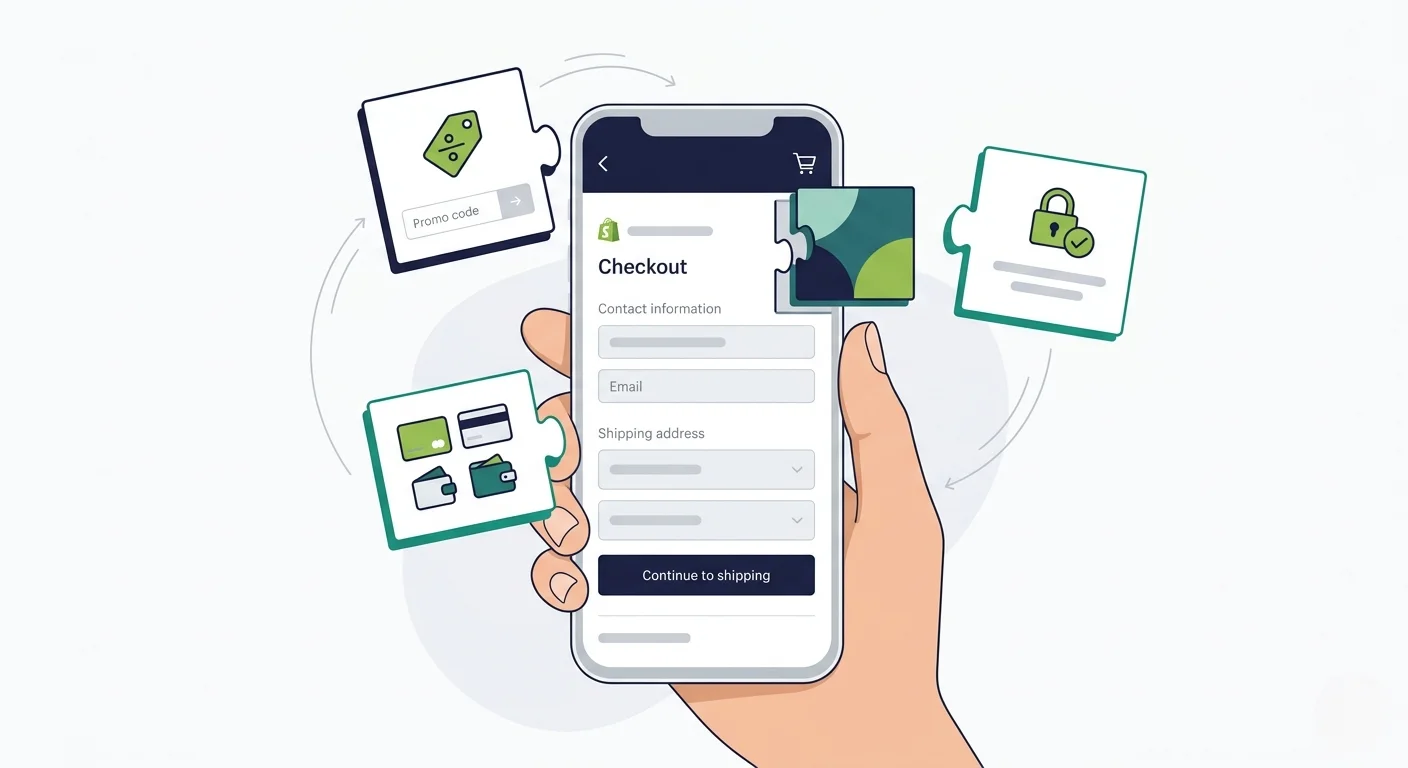
How to Build a Successful Subscription Product on Shopify

Subscriptions are one of the best ways to get ahead as an ecommerce brand selling consumables. An app makes upselling customers to recurring subscriptions and managing these subscriptions easy. And when you build a mobile app with MobiLoud, all these Shopify subscription apps work flawlessly in your app - no custom integrations required.
Subscriptions are one of the best ways to get ahead as an ecommerce brand selling consumables. An app makes upselling customers to recurring subscriptions and managing these subscriptions easy. And when you build a mobile app with MobiLoud, all these Shopify subscription apps work flawlessly in your app - no custom integrations required.
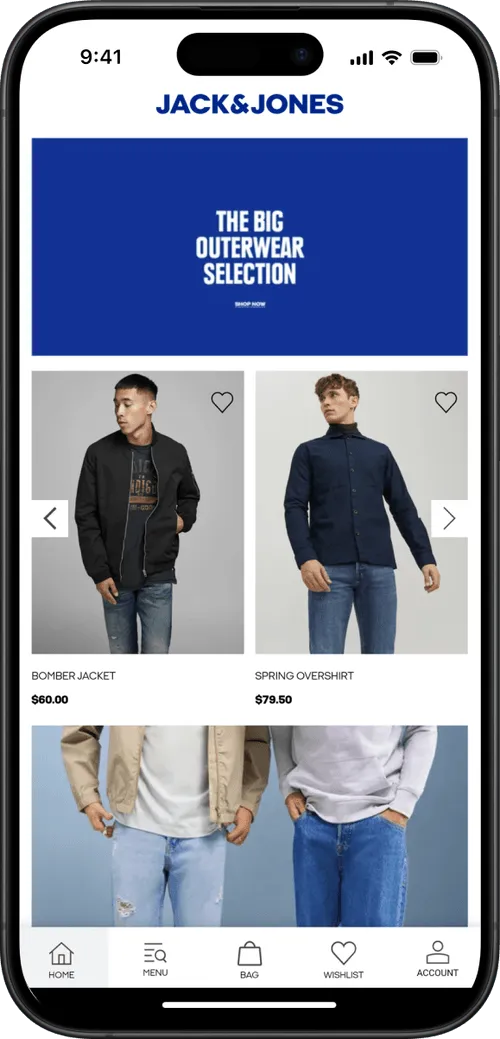
Subscriptions are one of the most seductive ideas in ecommerce. Recurring revenue, predictable cash flow, customers who renew themselves while you sleep.
The economics of subscriptions are hard to argue with. The issue is that they’re not as easy to get right as you think.
Too many brands launch subscriptions, get strong sign-ups, then bleed customers faster than expected, and the recurring revenue line that looked like a hockey stick in the deck flattens by month four.
The brands that build subscription programs that compound do a few things right that the others skip. They start with a product that genuinely fits the model. They design the offer so customers want to stay. They build the systems that keep churn low. And they treat subscriptions as a real product, not just a checkbox or a silver bullet.
This guide walks the full playbook for doing subscriptions right: figuring out whether subscription is the right model for your product, designing the offer, controlling churn, the implementation work on your store, picking the right app, and how a mobile app complements the rest.
Want the latest insights into how 8 and 9-figure brands drive sustainable growth? Check out our weekly newsletter, The Retention Edge. Subscribe for free today.
Subscriptions Are Powerful, But Not a Silver Bullet
The pitch for subscriptions writes itself. You acquire a customer once and they keep paying.
CAC amortizes across many orders instead of one. Cash flow gets predictable. Inventory and forecasting get easier. Customer lifetime value goes up.
All of this can be true, when the underlying model is right. The problem is that "subscriptions" gets talked about as if it's a feature you turn on, when it's really a product decision that has to fit your category.
The product-fit test
Three questions decide whether subscriptions will work for what you sell:
- Will the customer need this again? Coffee, supplements, pet food, beauty refills, household consumables: yes. Fashion, durable goods, occasional gifts: rarely.
- On a predictable cadence? If consumption rate is roughly stable across customers, you can build frequency rules around it. If it varies wildly, your skip and pause volume will eat your operations team alive.
- Is recurring delivery genuinely easier than reordering? This is the underrated question. If reordering takes 30 seconds and the customer thinks about the brand fondly each time, you're competing against an emotional repurchase you might not want to remove. If reordering is annoying and the customer would rather it be automatic, subscription wins.
Categories where subscriptions consistently work are:
- Consumables (coffee, vitamins, pet food, household goods)
- Beauty refills
- Replenishment-driven personal care
- Curated discovery boxes
Subscriptions are a much larger struggle for categories like fashion (consumption is irregular and emotional), most durables (one purchase per year or per decade), pure gifting (one-off intent), and brands where the customer experience of choosing each time is part of the value.
All this said, it is possible to get creative with subscriptions, and make them work in non-standard categories. It’s just a lot harder, and requires an audacious vision to get it right.
The offer matters as much as the product
A great product wrapped in the wrong offer can easily fail. In subscriptions, the offer is the bundle of incentives, terms, and flexibility you build around the recurring purchase, and getting it wrong has the same effect as shoehorning a subscription onto a product that’s not the right fit.
Four elements of the offer need to be right:
- Discount depth. Subscribe and save discounts of 10 to 15% are standard. Below 10%, the customer doesn't feel a meaningful benefit. Above 20%, you're training customers to subscribe purely for the discount, which inflates churn the moment they hit a payment failure or pause.
- Frequency options. If you sell coffee and only offer monthly, customers who go through it in two weeks or six weeks won't subscribe. Offer the cadences that match real consumption patterns, not the ones that are easiest to set up.
- Lock-in vs flexibility. Annual prepaid plans look great on paper because they front-load revenue, but they also front-load expectations. Most successful programs lead with month-to-month and let the customer earn their way into annual, not the other way around.
- Free shipping or gifts. Often the deciding factor for the marginal customer. Worth modeling: a free shipping offer can move conversion more than a deeper discount, with less long-term LTV erosion.
A subscription lives or dies on its first 90 days. If the product is wrong or the offer is wrong, no amount of dunning logic or push notifications will save it.
The Real Game Is Churn
Once the product and offer are right, the hard work of running a subscription product begins: keeping people subscribed.
This is where most subscriptions fail. It’s far more common than trying to do subscribe and save for jeans, or getting the initial offer wrong.
The truth is, many ecommerce brands are great at selling. But they’re not great at retention. They assume that subscriptions will handle this automatically, but they don’t.
A successful subscription product requires smart churn management. And that starts with understanding why customers churn.
Here are the different types of churn, and how to build a subscription that performs above average in each of these areas.
Involuntary churn: payment failures
The biggest churn category at most subscription brands isn't customers leaving on purpose. It's expired cards, declined transactions, and failed retries that quietly cancel customers who never wanted to leave.
The fix is unglamorous but high-leverage:
- Smart dunning. Multiple retry attempts at staggered intervals, on different days of the week, before any cancellation triggers.
- Card updater. Most major payment processors offer automatic card updates when a customer's bank issues a new card. Make sure it's enabled.
- Pre-charge notifications. Email or push the customer two or three days before the charge so they can update payment if needed, instead of finding out after the failure.
- Recovery emails for failed payments. Don't make the customer log in to fix it. Send a one-click update link.
Brands with strong dunning recover a meaningful share of failed payments that would otherwise be lost. Brands without it cancel customers who would have happily kept subscribing.
Early voluntary churn: didn't fit
Some customers cancel because the product or experience didn't match what they expected. They're hard to keep but easy to identify: they cancel within the first one to two billing cycles.
The levers here aren't retention tactics, they're onboarding and expectation-setting:
- Set realistic expectations on the PDP. Don't promise outcomes you can't deliver in the first 30 days.
- Front-load value in the first shipment. A welcome bonus, a sample of a complementary product, a personalized note. Whatever signals "we noticed you joined."
- Onboard the customer to the brand, not only the product. Educational content, founder story, how to get the most out of the first delivery. If the only thing the customer experiences in week one is the box arriving, you're under-investing.
Fatigue churn: got too much
The customer likes the product but is accumulating it faster than they can use it. They cancel because the cabinet is full and they don't want another box.
Fatigue churn is the most preventable category and the easiest to leave on the table. The fix is letting customers self-serve flexibility instead of forcing them to cancel:
- Skip a delivery. One-click, no questions asked.
- Pause for X weeks or months. Reactivates automatically.
- Change frequency. Move from monthly to every six weeks. Keeps the relationship alive.
- Swap products. Variety keeps fatigue down on its own.
Brands that hide these options behind support tickets churn customers who would have stayed if they could have clicked "skip."
Planned churn: life event
The customer's circumstances changed. They moved, switched diets, had a baby, broke up, retired. Hardest to prevent.
The savable cases get caught in the cancellation flow:
- Offer pause, not only cancel. "Going on vacation? Pause for 4 weeks instead."
- Offer a frequency change. "Getting too much? Try every 8 weeks at the same discount."
- Offer a downgrade. Smaller pack size, lower-tier product.
- Offer a discount or free shipping for the next order. Use sparingly: heavy discount-saves train future churn behavior.
A well-designed cancellation flow recovers a meaningful percentage of customers who clicked "cancel."
Setting Up Subscriptions on Your Store
Strategy is the most important part of a successful subscription product. The right product fit, the right offer, the right churn management strategy.
Once the strategy is right, the implementation has more moving parts than most brands expect. Subscriptions touch the product page, the cart, the checkout, the customer account, and several backend integrations.
Each surface has decisions that quietly shape conversion and retention. Let’s take a look at how to implement this on your storefront now:
The product page
The product page is where most subscription decisions get made.
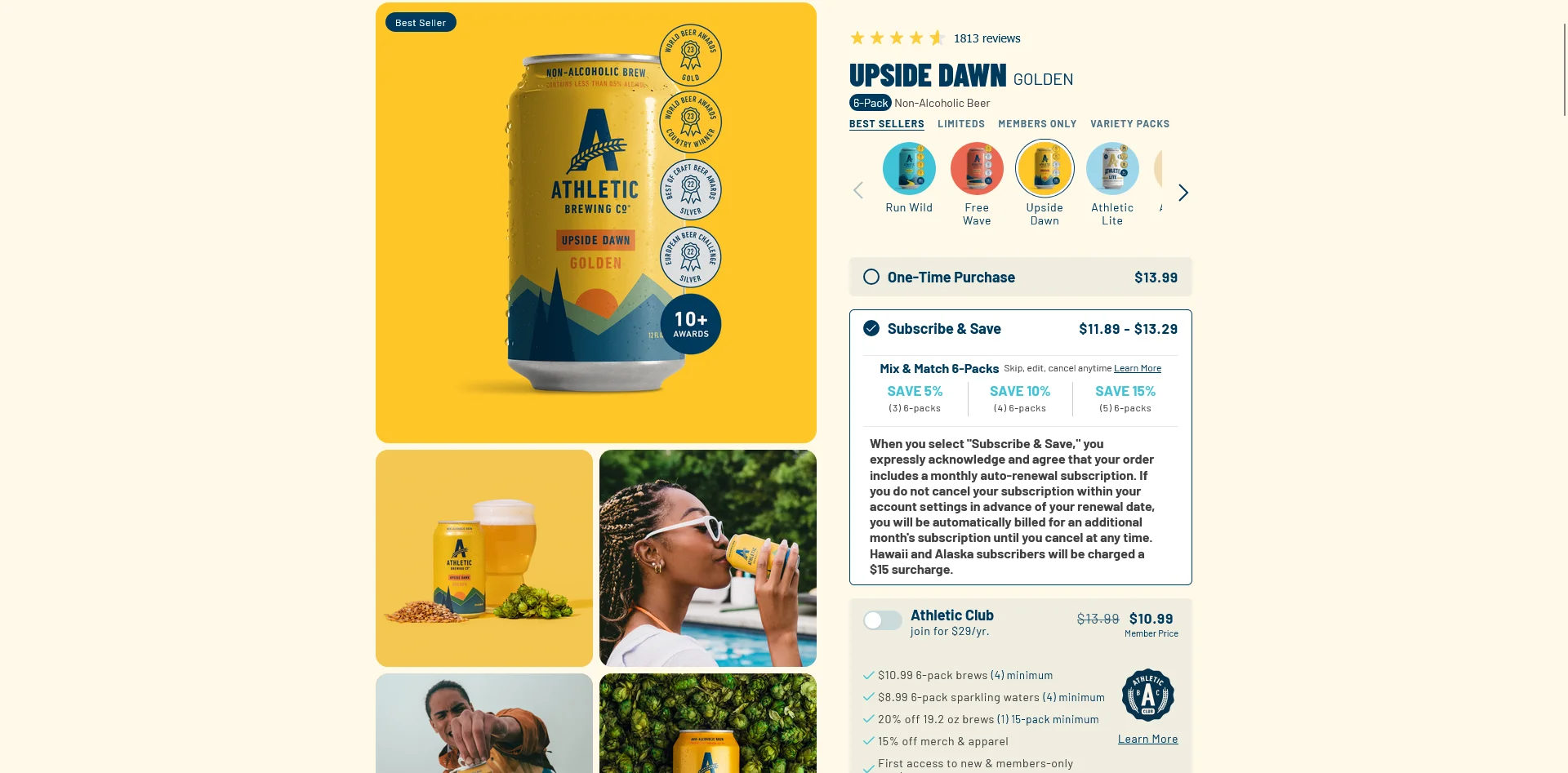
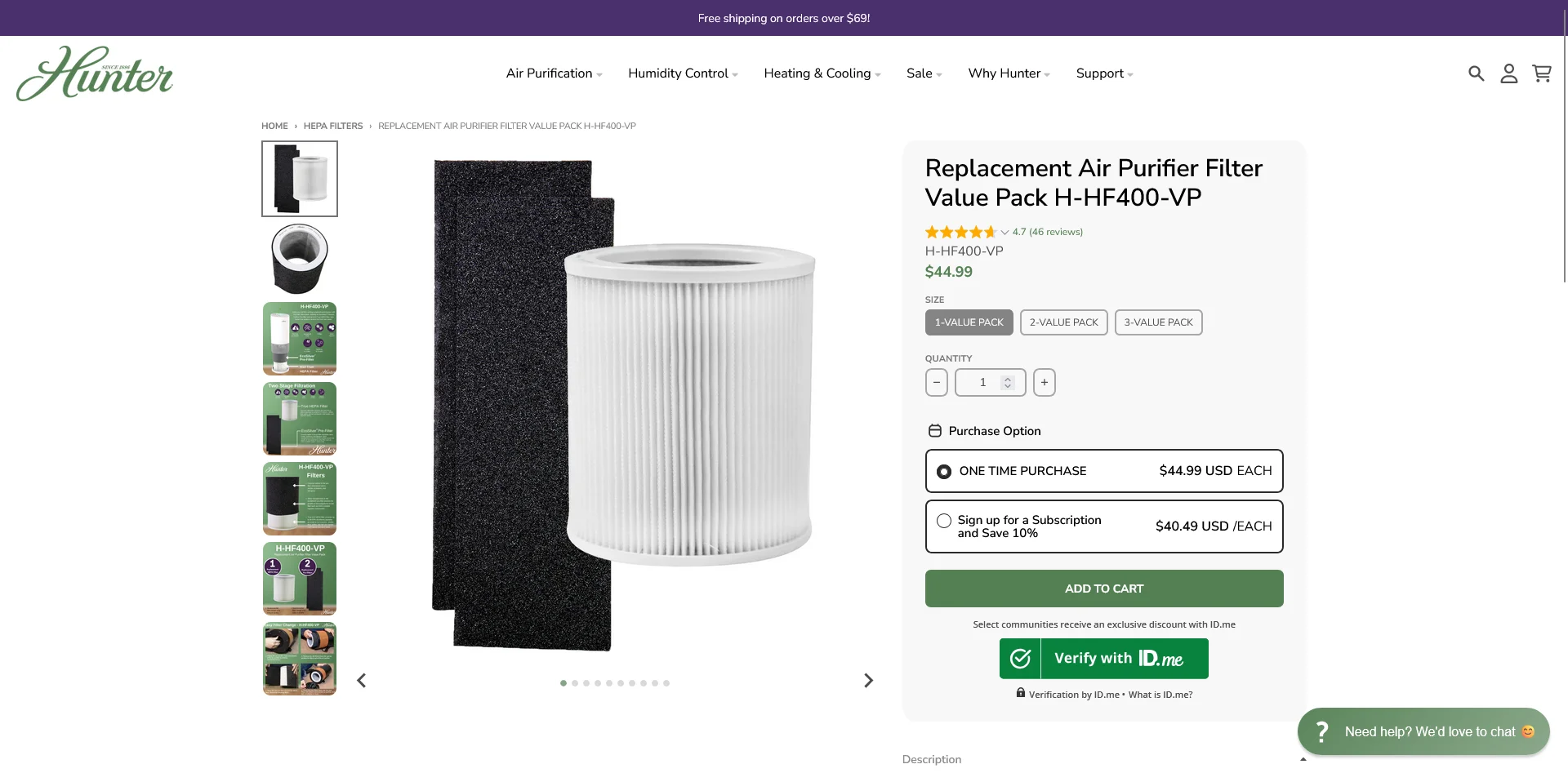
- Subscribe vs one-time toggle. Default to subscribe and save selected, with one-time as the alternative. Defaulting to one-time leaves money on the table.
- Frequency selector. Show the cadences that match real consumption patterns. If most customers go through one bag of coffee every three weeks, "every 3 weeks" should be a default option, not buried under "more frequencies."
- Discount display. Show the savings clearly. "Subscribe and save 15%" with the original price visibly struck out converts better than a single subscription price.
- Trust signals. "Cancel anytime" near the subscribe button is one of the highest-impact micro-copy tweaks for first-time subscribers.
- Build-a-box UI. If you're doing curated boxes, the PDP becomes a configurator. Make sure the app you pick supports the configurator UX you want, not the one it ships with by default.
Cart and checkout
- Mixed cart handling. Decide whether customers can buy a one-time item alongside a subscription. Most apps support it, but not all checkouts handle it gracefully. Test the experience.
- Subscription summary in the cart. Show what they're subscribing to, the cadence, the next billing date, and the total. Surprise costs at the next charge are a leading driver of early cancellation.
- Checkout integration. Modern subscription apps integrate with native Shopify Checkout. Older patterns that route through a separate checkout add friction and break Shop Pay flows. Make sure you're on a current integration.
The customer portal
The customer portal is where retention is won or lost. It's how customers manage their subscription post-purchase, and a bad one drives churn directly.
A solid portal lets customers:
- Skip the next delivery
- Pause for a defined period
- Change frequency
- Swap or add products
- Change payment method
- Update shipping address
- Reschedule the next charge date
- Cancel (with a flow attached)
Two specific things matter more than they sound.
Passwordless login is one (most subscription portal traffic comes from email links; making the customer remember a password kills self-service rates).
The other is a portal that's branded to match your store. A generic third-party portal signals "this isn't really your brand," which subtly undermines trust.
Backend integrations
Subscriptions don't run alone. A handful of integrations carry most of the weight:
- Email/SMS lifecycle. Subscription-specific flows: welcome, pre-charge reminder, post-shipment, win-back, payment failure, milestone (3 months, 6 months, 1 year).
- Helpdesk. Support agents need visibility into subscription status, upcoming charges, and history. Without it, every support ticket is a fact-finding mission.
- Loyalty and referrals. If you run a loyalty program, subscription orders should still earn points and tier progress. If subscribers don't accrue rewards, you're missing one of the easiest retention levers available.
- Reviews. Post-delivery review requests should fire on subscription orders, not only one-time orders.
- Analytics. Most subscription apps have basic dashboards. The brands that scale layer on cohort analysis tools or pipe subscription data into a warehouse for proper LTV modeling.
The integration story matters in app selection. An app with a thinner feature set but deep, tested integrations will often outperform a feature-rich app whose Klaviyo connector breaks under load.
Communications
Actively communicating with your subscription customers is crucial. Don’t make the mistake many brands do, of purposely under-communicating because you’re afraid you’ll “remind customers to cancel”.
Proactive communication reduces churn, it doesn’t create it.
You don’t need to be Hemingway here. Just get the basics right:
- Welcome flow. Sets expectations for the first delivery and the relationship.
- Pre-charge reminder. Two to three days before the charge. Reduces surprise cancellations and gives customers time to skip or update.
- Post-shipment. Tracking, delivery, and a soft prompt to engage with the product.
- Win-back. For canceled subscribers, a sequence over the following 30 to 90 days. Don't write them off after one cancel.
How Subscription Apps Help You Build a Thriving Subscription Product
Shopify has native subscriptions built into the platform, but the feature set is bare-bones: monthly recurring billing, basic frequency options, and a thin customer portal.
Most serious subscription brands use a dedicated subscription app for the rest.
A subscription app handles a lot beyond the basics:
- Advanced billing logic (prepaid, pay-as-you-go, hybrid)
- Smart dunning and payment retry
- A real customer portal with skip, pause, swap, and frequency control
- Build-a-box and bundle configurators
- Tiered discounts, gift options, and loyalty integration
- Cancellation flows with retention offers
- Analytics and cohort reporting
- Integrations with the broader stack
A few criteria matter when picking one:
- Dunning quality. Ask what the recovery rate looks like for failed payments. The differences between apps here are bigger than most merchants realize.
- Portal UX. Spin up a test subscription and see what your customers will see. The portal is the retention surface. Don't pick on screenshots.
- Bundling and build-a-box support. If your offer needs a configurator, make sure the app supports the UI you want, not the one it defaults to.
- Pricing structure. Some apps charge transaction fees on top of monthly pricing. Others are flat. At scale, the fee model usually only beats the flat model at the lowest order volumes.
- Integration depth. Klaviyo, Gorgias, your loyalty app, your reviews app. Check that the integrations exist and are actively maintained, not listed once and abandoned.
- Migration story. If you might switch later (and most brands do), check that the app supports clean export of customer and subscription data.
Here are a few apps worth knowing about:
- Easy Subscriptions is a strong choice for growing brands that want advanced subscription mechanics (build-a-box, prepaid, tiered discounts, upsells) without transaction fees. A good fit when you've outgrown the basics but don't need enterprise scale.
- Utterbond is a Shopify-native app that handles prepaid and pay-as-you-go billing, build-a-box, and dunning at a price point well below the enterprise apps. Often a sensible first move for brands launching their first subscription product.
- ReCharge is the enterprise default. The deepest integration ecosystem, the largest install base among 8- and 9-figure subscription brands, and the most mature dunning and analytics. The trade-off is price (Standard at $99/month, Pro at $499/month) and complexity, neither of which is the right fit for early-stage stores.
.webp)
The right app depends on the stage of your business (startup vs SMB vs enterprise), and smooth integration with the rest of your store.
Mobile Apps and Subscriptions
If you’re running a subscription product, you almost certainly need a mobile app as well.
There’s natural synergy between mobile apps and subscriptions. They both excel for products with natural repeat purchase potential, like beauty, supplements or food and beverage. And they’re both built to drive stronger retention and LTV.
Mobile apps also help elevate your subscription product in a number of ways your mobile website, emails and SMS don’t:
- Push notifications are perfect for subscription reminders, order updates, small nudges, because they arrive instantly and are almost guaranteed to be seen.
- The portal is one tap from the home screen. Skipping or pausing a delivery is a 10-second action instead of a hunt through inbox links.
- Win-backs land easier. Email deliverability is fragile; a customer who installed your app gave you a more durable channel.
- App users have higher repeat rates and AOV. That compounds with a subscription's recurring nature.
The full case for the pairing is in our deep dive on mobile apps for subscription brands, as well as the solution for a common issue that brands face when launching apps - their subscription experience breaking in the app.
How to Build a Winning Subscription Product: Get the Foundations Right
Subscriptions look simple from the outside. But they turn out to be one of the harder products in ecommerce to run well.
With the enticing nature of recurring subscription revenue comes a lot of competition, higher CACs, and as such, you need strong retention, or you end up losing money.
Luckily, you can get ahead by simply doing what a lot of brands don’t: getting the basics right.
Pick a product that’s a generally good fit for subscriptions. Craft a solid offer. Build the retention system that makes customers want to stay subscribed, making it more painful for them to miss out than to keep getting their orders.
If you want to level your subscription game up even further, launch a mobile app.
Subscriptions are a great business to be in, if you do it right. Just don't cut corners or see it as a silver bullet. Craft your program the right way, and you'll be rewarded.
FAQs

Convert your website into a mobile app