The Shopify Referral Program Playbook: How to Design, Launch, and Scale Your Referral Channel

A referral program is one of the few acquisition channels that gets stronger as your customer base grows. The reward only fires after a purchase, referred customers convert and retain better than paid traffic, and most Shopify stores haven't built one yet. It’s 100% worth doing, especially with apps like Rivyo that make it easy to add and manage a referral program.
A referral program is one of the few acquisition channels that gets stronger as your customer base grows. The reward only fires after a purchase, referred customers convert and retain better than paid traffic, and most Shopify stores haven't built one yet. It’s 100% worth doing, especially with apps like Rivyo that make it easy to add and manage a referral program.
Referral programs are one of the oldest acquisition channels in ecommerce, and one of the most under-used.
Across DTC, only about 30% of businesses have a formal referral program, despite 83% of customers being open to referring a brand after a successful purchase. That's a gap you can close with a weekend of work and the right app.
Launching a referral program is such a sound investment - and is becoming more so with AI and LLMs, and the value of people online recommending your brand and your products.
If you're running a Shopify store and not sure where to start with your referral program, this article answers all of that. We'll cover the program design decisions first, then the launch steps, then the apps that help you put your program live.
Why Referral Programs Work for Shopify Stores
Referral programs work because people trust their friends more than they trust your ads. The ROI is high, and it’s the kind of channel that actually incentivizes people to talk about your brand.
Here are a few numbers that make the case:
- 89% of consumers trust recommendations from friends and family more than any other form of advertising (Nielsen).
- 83% of customers are open to referring a business after a successful purchase.
- 78% of brands run double-sided referral programs, and 65% of customers prefer programs where both parties benefit.
- Only around 30% of ecommerce businesses have a formalized referral program. It’s one of the few high-ROI channels with real room left.
There's also a cost-curve advantage. Paid acquisition gets more expensive every year as CPMs rise and iOS privacy changes chip away at attribution. Referrals work the other way: the reward only fires after a purchase happens, with no ad spend in front of it, and the channel gets stronger as your customer base grows. More happy customers, more potential advocates.
Referred customers also behave better after they buy. They convert at a higher rate than paid-acquired customers, and they tend to retain better, because they came in on social proof rather than a retargeted Meta ad.
How a Shopify Referral Program Works
Every referral program follows the same loop:
- A customer (the advocate) makes a purchase or signs up.
- They get a unique referral link or discount code to share.
- They share it to friends or followers.
- The friend clicks through, makes a qualified purchase, and gets their reward automatically.
- The advocate gets their reward, usually issued as a discount code or store credit.
The reward itself can take several forms:
- Percentage discount. "Give 15%, get 15%." Most common for apparel and beauty.
- Fixed-amount discount. "Give $10, get $10." Cleaner math for higher-AOV stores.
- Store credit. Keeps revenue in the store and drives a follow-up purchase. Slightly stickier than a one-off discount.
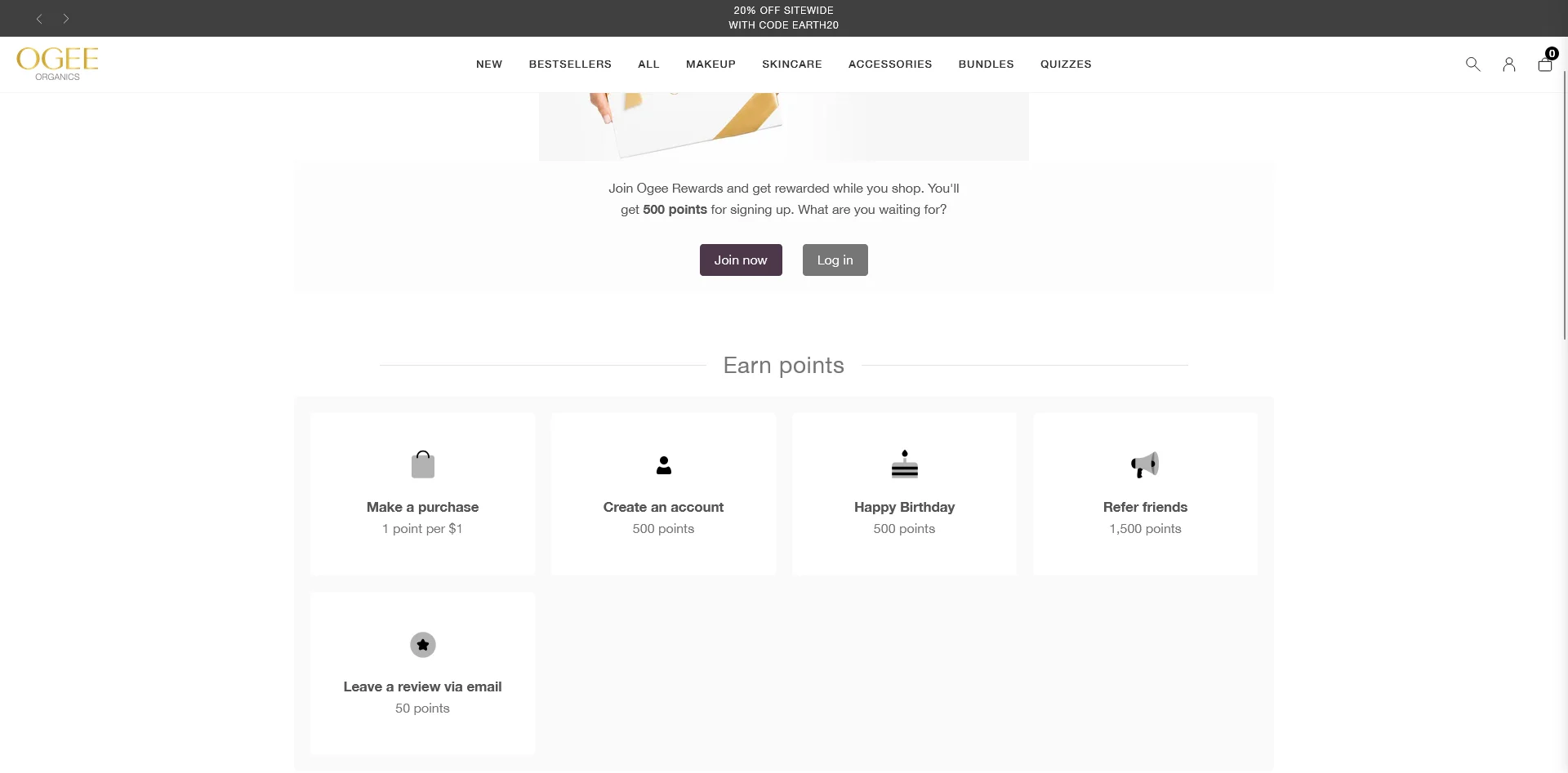
- Loyalty points. Works best when referrals and loyalty run through the same platform.
- Cash or gift card. Used by brands with very high AOV, or in affiliate-hybrid programs.
- Free product. Strong emotional pull, but requires margin planning.
Where the program lives on your store matters as much as the reward. Common placements include the post-purchase modal, thank-you page, account dashboard, transactional emails, a dedicated /refer landing page, homepage blocks, and SMS campaigns.
The strongest programs surface in several of these at once. A post-purchase modal alone fires once, and most customers close it without thinking about it again. If the program isn't also in their email, account page, and the footer, you've effectively launched it to nobody.
Types of Referral Programs (and When to Use Each)
Picking the right program structure up front saves a lot of rework later.
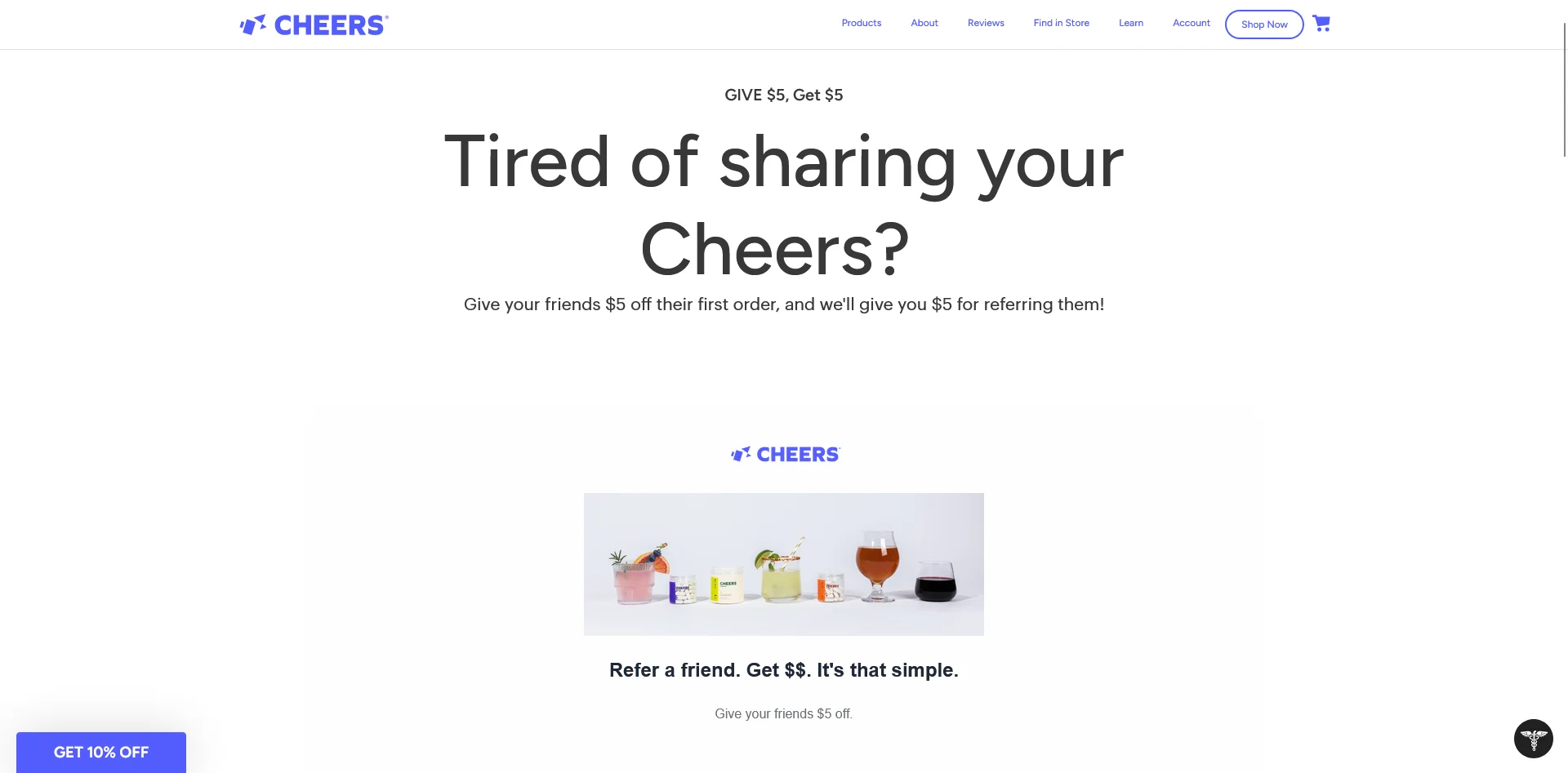
Double-sided
Both the advocate and the friend get rewarded. This is the default, and it's what 78% of brands use. Advocates feel like they're giving their friends a real benefit, not just doing you a favor.
Use when: You want a program that scales. This is the right starting point for almost every Shopify store.
One-sided
Only one party gets rewarded. Advocate-only works for brands with passionate communities where the friend doesn't need an incentive (rare). Friend-only works as a pure acquisition play, functionally a "tell a friend" discount.
Use when: You have enough brand pull that one side doesn't need to be bribed, or you're running a short-term acquisition campaign.
Tiered or milestone
Rewards escalate based on referral count. First referral gets 10% off, fifth gets $50 credit, tenth gets a free product. Tesla's original referral program made this format famous.
Use when: You have products with genuine recurring-share potential (supplements, coffee, fashion drops) and a customer base engaged enough to chase a bigger reward.
Ambassador or VIP
A separate, higher-tier program for your top advocates. Often invite-only, with custom rewards, early access, or a revenue share.
Use when: A handful of customers drive a disproportionate share of your referrals, or you've got an organic community worth formalizing. Layer this on top of a standard double-sided program.
Affiliate-hybrid
Referral program that pays commission per sale instead of (or in addition to) a store credit. Blurs the line between customer referral and affiliate marketing, which is why most of the best apps handle both.
Use when: You want to activate influencers or creators alongside your customer base without running two separate programs.
How to Design a Referral Program That Drives Real Revenue
Installing and setting up a referral program app takes a weekend. Getting the design of your program right pays back for years.
The decisions below are where most programs succeed or fail.
Pick the right program type
Default to double-sided unless you have a specific reason not to. Both sides getting something is what 65% of customers prefer, and it gives you the widest audience willing to participate.
Set the advocate reward
The advocate reward is effectively the CAC for the new customer they bring in. Treat it as acquisition cost, not discount margin, and work backwards from there.
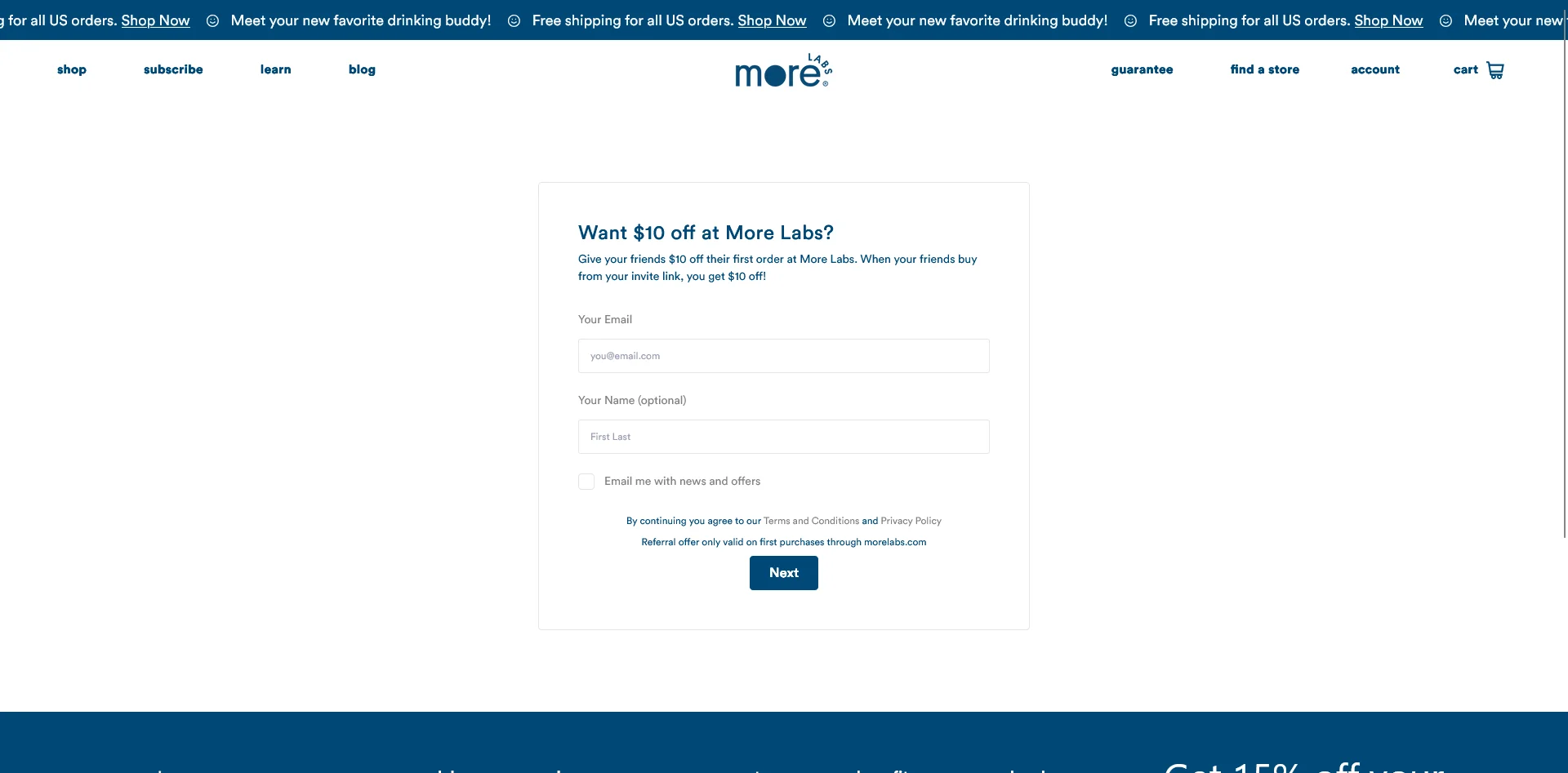
Most Shopify brands settle between 10% and 20% off (or $10-$25 in store credit). Below that range, advocates don't bother sharing. Above it, the acquisition math starts to hurt.
Store credit often outperforms a straight discount on the advocate side. A credit sitting in someone's account feels like money they need to spend; a percentage-off coupon feels like an optional saving. The return rate is meaningfully higher.
Set the friend reward
This is the bigger conversion lever. The friend has no relationship with your brand yet, so the reward is what gets them to click through and try.
Rule of thumb: make the friend's reward at least as good as your best first-time-buyer offer. If you're running "15% off your first order" on your site pop-up, the referral offer should match or beat it. Anything less is worse than your default, and advocates will notice.
Choose the trigger point
When does the reward actually fire? Three options:
- On share. Advocate gets a reward as soon as they send the link. Easy to abuse.
- On friend signup. Advocate gets rewarded when the friend creates an account. Better, but still leaves room for empty accounts.
- On qualified purchase. Advocate gets rewarded only when the friend makes a purchase above a set threshold. This is the standard and every app below defaults to it.
Go with qualified purchase. Layer on a minimum order value ($50+) to cut out low-ticket gaming.
Set your fraud rules
Fraud is the most common reason referral programs underperform. Three non-negotiable rules:
- One-time-use codes per friend. No static, farmable codes that show up on Honey or Coupert. Most apps handle this automatically, but confirm before launch.
- No self-referral. Block cases where the advocate and friend share an email, address, or device fingerprint.
- Rate limits per advocate. Cap the referrals an advocate can earn rewards on per month. Prevents one person turning into a discount factory.
A Reddit thread in r/shopify summed up the issue well: static codes get scraped, end up on discount aggregators, and then anyone can use them. Don't let your referral program become a permanent promo code.
Plan reward delivery
Automatic beats manual every time. When the qualifying event fires, the reward should appear in the advocate's email immediately, and ideally auto-apply in their cart if they're logged in. Manual payout flows introduce delay, which kills the dopamine loop that makes referrals work.
How to Set Up a Referral Program on Shopify (Step-by-Step)
Once you've made the design decisions, the setup is fast. Most stores can go live in under a day.
- Pick a referral app that works with your store, and the type of referral program you want to launch.
- Install and connect to Shopify. Most apps install in a couple of minutes from the Shopify App Store and auto-detect your products, customers, and order data.
- Configure rewards. Plug in the advocate and friend rewards you designed above, plus your trigger point, minimum order threshold, and fraud rules.
- Build advocate touchpoints. Minimum: a post-purchase modal, a transactional email, and a dedicated landing page. Better: an account-page block, plus the referral offer in abandoned cart emails to existing customers.
- Promote the program. Email your existing customer base at launch (your biggest single pool of potential advocates). Add placements in the footer, homepage, and order confirmation emails. Plan a repeat-promotion cadence, not a one-time blast.
- Track and iterate. Watch participation rate, friend conversion rate, referred-customer AOV and LTV, and fraud rate. Every 90 days, tune one lever (reward size, placement, messaging) and measure the delta.
Referral Program Best Practices
Here are a few quick tips on launching a referral program that adds to your bottom line:
- Make the reward worth sharing. $5 off a $100 order isn't worth a text message. Default to percentages your advocates wouldn't be embarrassed to send.
- Make sharing frictionless. One-click share to SMS, WhatsApp, email, and copy-link at minimum. If an advocate has to log in, generate a code, then manually send it, you've lost most of them.
- Surface the program at peak-satisfaction moments. Post-delivery. After a positive review. After a second purchase. These are the moments customers are most likely to refer, and the moments most brands miss.
- Give advocates copy and creative. They're customers, not marketers. Pre-written SMS and email templates lift share rates noticeably.
- Match reward size to customer value. A VIP customer can unlock a better offer than a first-timer. Segmented rewards feel personal and reduce total reward spend.
- Combine with loyalty where it fits. One program with a referral tier usually beats two disjointed programs competing for the same home-page real estate.
Common Referral Program Mistakes to Avoid
- Hiding the program. One launch email and nothing else. If existing customers don't see the program in the account page, footer, post-purchase screen, and ongoing emails, most of them will never engage with it.
- Under-incentivizing the friend. Brands spend all their reward budget on the advocate side and leave the friend a coupon worse than the homepage pop-up. The friend is the one converting. Spend there.
- Allowing discount-farm abuse. No one-time codes, no device fingerprinting, no fraud rules. Your referral code ends up on Honey within weeks, and every new customer gets your best discount without ever being referred.
- Not segmenting advocates. Not every customer should be promoted as a brand advocate. Customers who've returned products, left one-star reviews, or never repeat-purchased shouldn't receive "refer a friend" emails.
- Launching without a promotion plan. Installing the app isn't launching. A real launch includes a dedicated email, SMS sequence, on-site placement, organic social, and a reason-to-refer moment (a product drop, a seasonal push).
How to Choose the Right Referral App for Your Shopify Store
Referral program apps are what make it such a no-brainer to add a referral program to your store.
If you had to build and maintain a custom-built referral program for your store, the ROI would look a whole lot different than it does when there are sophisticated apps out there to help you set it up and run it (often with best practices built in).
Some of the top rated apps in the Shopify App Store include:
- Rivyo AI Reviews & Loyalty (Shopify App Store) - powerful app that combines review management with smart loyalty and referral features all in one platform.
- ReferralCandy (Shopify App Store) - built for referrals, works with over 30,000 ecommerce brands, including big names like Tupperware, Stanley, Colgate, and Steve Madden.
- UpPromote (Shopify App Store) - entry-level, straightforward tool made for referrals and affiliate marketing.
(many more available on the App Store too).
To pick the app that fits best for you, look for these things:
- Fit with your store size and budget (some tools are built for enterprise brands, others have entry-level options for smaller stores).
- Integration with other areas of your business (like your loyalty program).
- Support for the program structure you want to implement.
- Design & UI that’s easy to use, fits with your branding and storefront design.
Some key features to look for include:
- Fraud controls built in: one-time-use codes per friend, self-referral blocking by email/address/device, minimum order thresholds, per-advocate caps.
- Surface flexibility: post-purchase modal, account page widget, /refer landing page, transactional email blocks, SMS triggers.
- Reporting that answers "how many sales did this drive last month" without exporting to a spreadsheet.
- Klaviyo or ESP integration for referral follow-up flows.
There’s no one “right” answer for the best app for your store. There are plenty of great options out there. Just find one that fits what you want to do, read the reviews and check out the case studies, and get to launching your program.
FAQs

Convert your website into a mobile app