How to Increase Customer Engagement in Ecommerce
Customer engagement in ecommerce is more important than ever. As shoppers tighten their budgets, merchants are realizing that promotions alone won't build a sustainable business.
The reason is simple: customers are now pickier. They compare options. They hunt for the best value. That’s why long-term growth depends on building strong relationships, not just driving one-time purchases.
In fact, Twilio notices brands that have mastered customer engagement were 41% more likely to report their conversion rates as “much higher” compared to the previous year.
In this guide, we'll share six actionable customer engagement strategies for your brand, plus which metrics to track and how to avoid common mistakes that hurt customer engagement.
Customer Engagement in Ecommerce: The Definition
Customer engagement in ecommerce is every interaction a customer has with your brand. These interactions happen across multiple touchpoints throughout the customer journey.
When we talk about customer engagement, we’re looking at what prompts customers to interact with your brand and how often those interactions occur.
The goal is to turn these experiences into real, positive relationships. When you get this right, you build loyalty, drive repeat purchases, and grow your business over time.
A great product or competitive price may attract customers. But engagement is what keeps them coming back for more.
Customer engagement often gets mixed up with customer experience and customer satisfaction:
- Customer engagement is the way customers engage with your brand over time.
- Customer experience is how they feel after those interactions.
- Customer satisfaction measures how well your product meets their needs.
Why Customer Engagement in Ecommerce Matters (With Metrics)
Strong customer engagement directly impacts your store’s growth and performance, including:
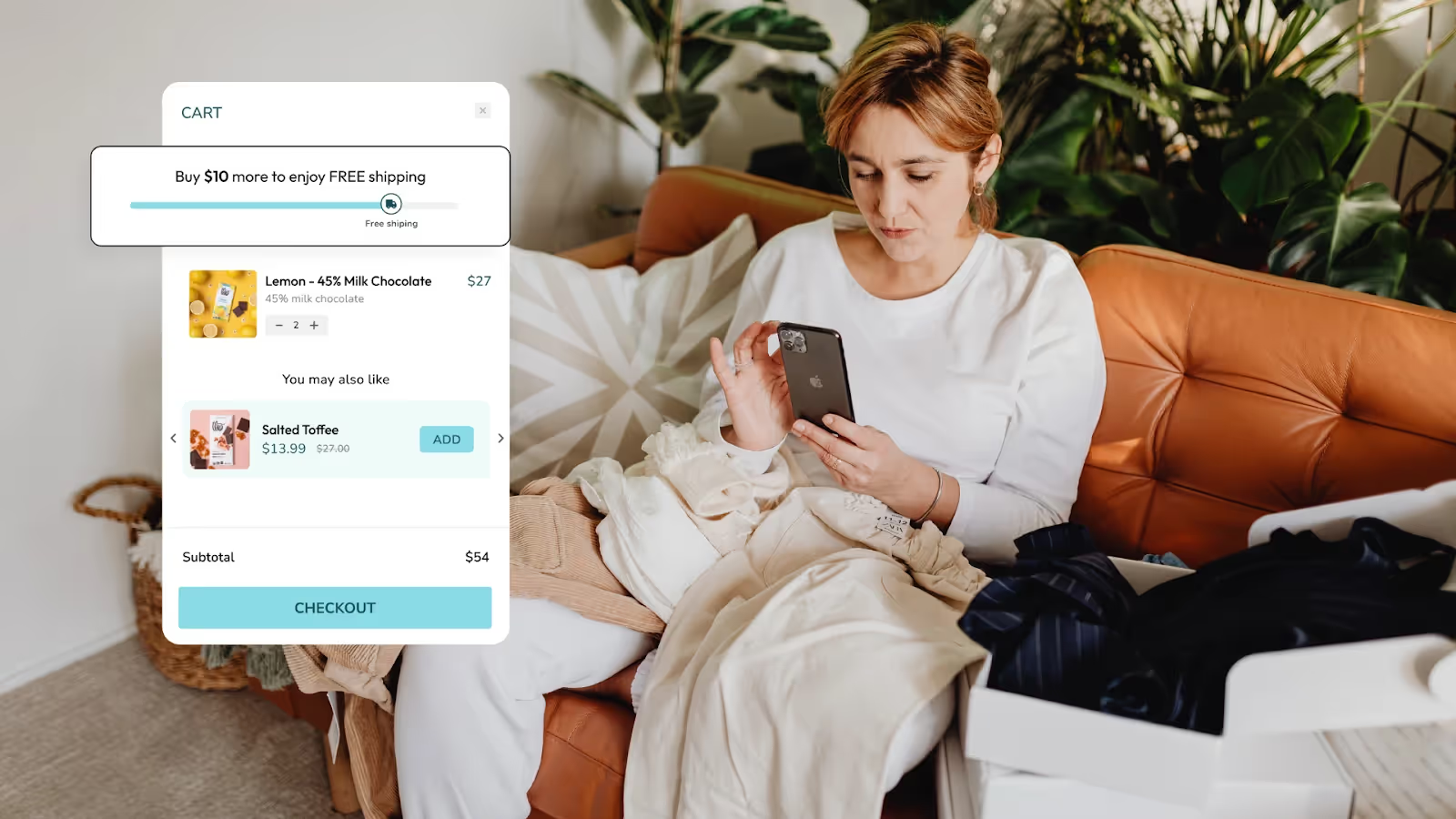
- Higher cart value: Engaged customers tell you a lot about their preferences. Use this insight to recommend add-ons and personalized upsells that increase average order value.
- More customer-driven feedback: Engagement keeps you connected with your customers. You get clearer insights into what they need and expect. And when problems come up, you can fix them fast.
- Shorter sales cycle: The more you engage, the more customers trust you. And when they trust you, they decide faster. They already know your brand, your value, and your quality.
- Stronger customer loyalty: A good customer engagement practice helps build emotional connections. This keeps customers coming back. It reduces the chance they'll switch to competitors.
- Better customer satisfaction: When you deliver relevant, timely, and personalized experiences, customers feel understood. This leads to higher satisfaction and a stronger impression of your brand.
To measure customer engagement, keep an eye on these metrics on your online stores:
- Click-through rate (CTR): How often people click your emails, social posts, website links, or notifications.
- Conversion rate: The percentage of visits that lead to a purchase.
- Returning customer rate over time: The number of customers who come back within a given period.
- Bounce rate: The percentage of visitors who leave after viewing only one page.
- Time spent per session: Average time users spend on your site.
Learn more: Customers engage more often, and for longer, in mobile apps. See how much, in our exclusive Ecommerce Mobile App Benchmark Report.
6 Actionable Engagement Strategies (With Real Examples)
Enough with the theory and numbers. Below are six actionable customer engagement strategies, each paired with real examples.
Personalized Customer Engagement
The best customer engagement should feel personal. Instead of treating every shopper the same, you tailor each interaction to their preferences and needs.
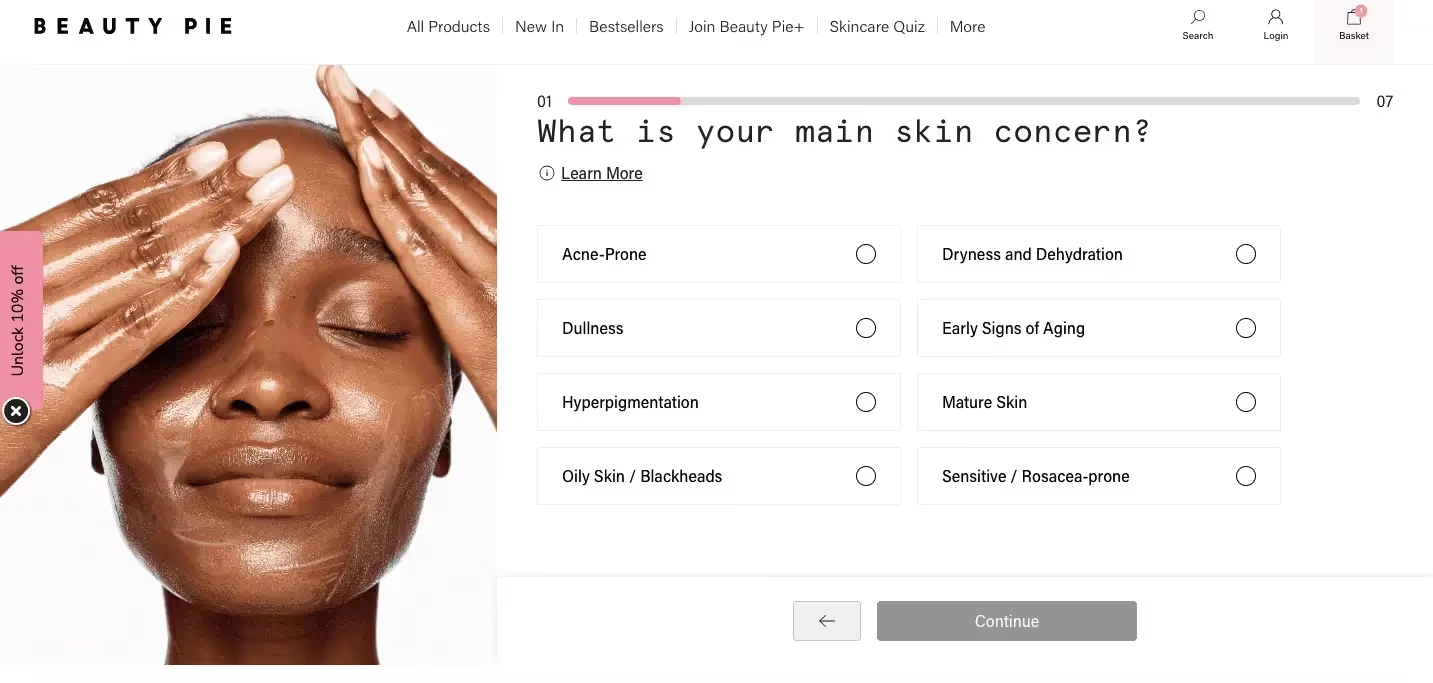
Beauty Pie does this well. The popular cosmetics brand has created a simple questionnaire that helps users find the most relevant products.
This kind of personalization increases customer engagement. Customers spend more time with the brand, feel more confident buying, and are more likely to come back.
Collect and Showcase Feedback & Reviews
Let customers know their voices matter. Inviting and responding to feedback is a key part of customer engagement. It shows that you value your customers and their opinions beyond the transaction.
Make it easy for them to share feedback. At the same time, display those reviews on your website. When people see their opinions matter, they feel valued. And valued customers stick around.
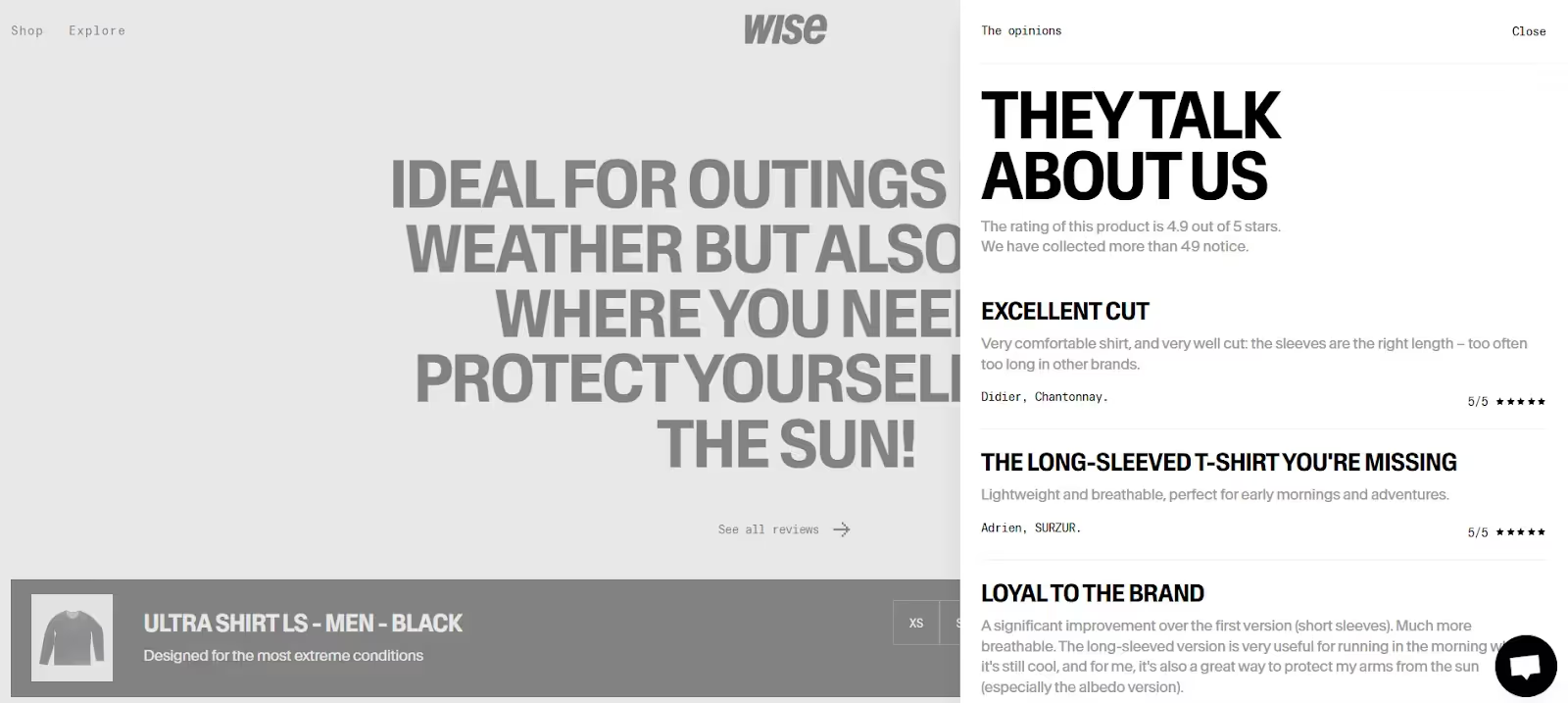
Wise Trail Running knows. For every product page, the brand includes a “They talk about us” section that highlights real customer reviews.
This builds trust with new shoppers and shows existing customers that their feedback helps shape better products. When brands invite feedback and visibly act on it, customers are more likely to interact, trust the brand, and return.
Build Engagement in a Human-Centric Way
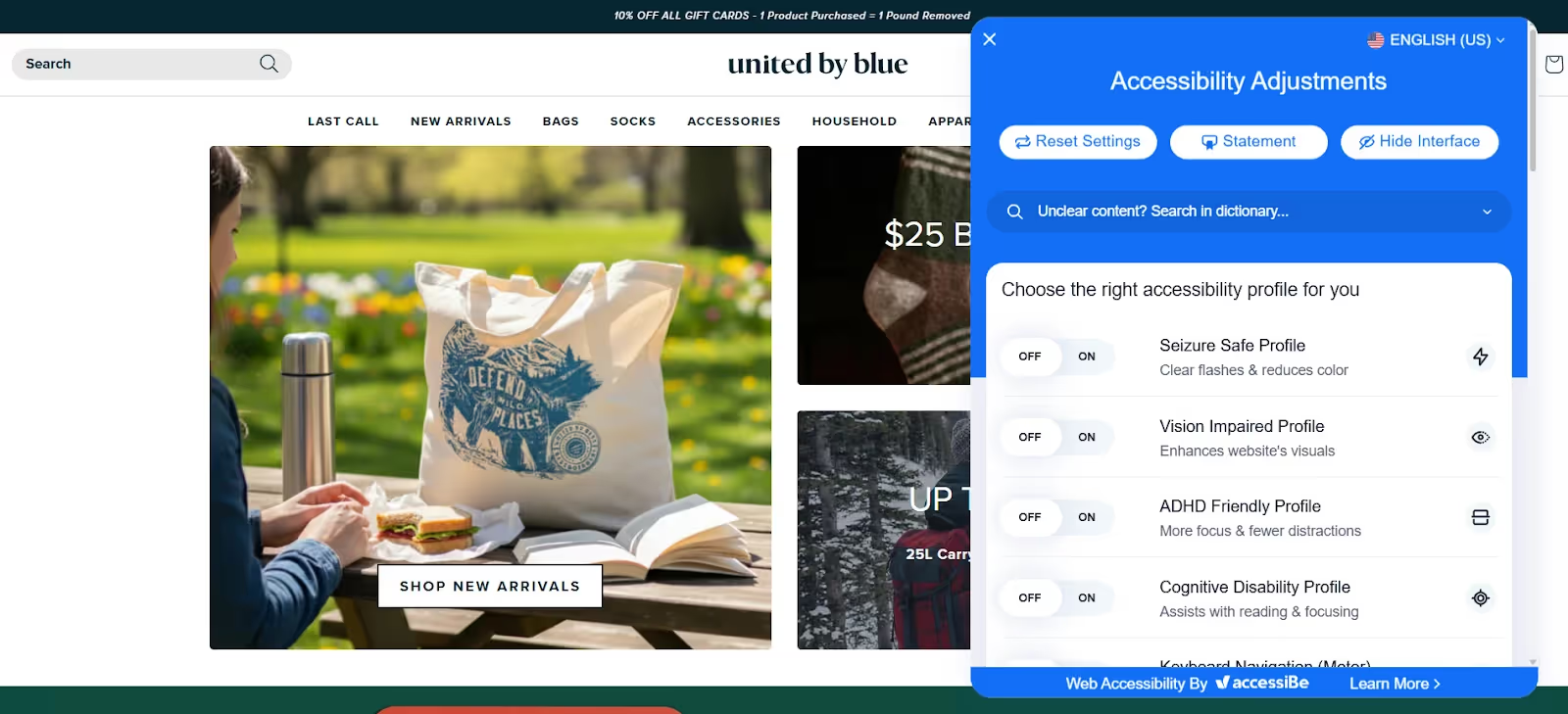
Build your customer engagement strategy on trust and empathy.
Whether you sell online or in person, customers want to feel like people, not transactions. Lead with that, and loyalty will follow.
United By Blue is a great example of making things feel human. The brand adds an "Accessibility Adjustments" section. It includes multiple options to improve usability for different needs, like "ADHD Friendly Profile" and "Vision Impaired Profile." There's also a live chat button so customers can reach a real person fast.
These aren't big, splashy features. But they show customers that the brand sees them. That's what human-first engagement looks like.
Leverage Community Engagement Channels
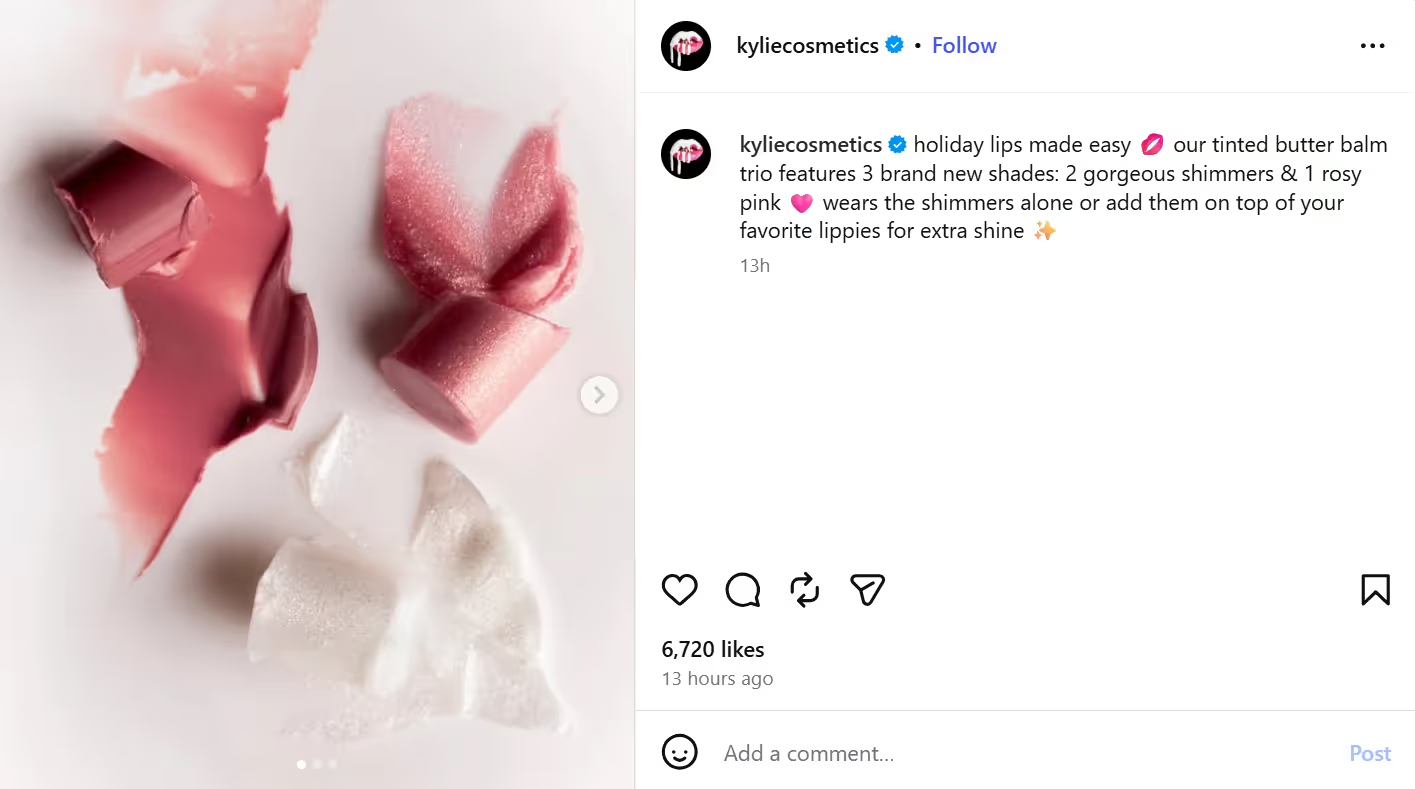
To build genuine relationships, foster a sense of community.
Create spaces where customers can connect. Use social media, online forums, and exclusive events. When customers feel part of something bigger, they become loyal advocates.
Kylie Cosmetics nails this. Founder Kylie Jenner has a massive social media following. She regularly engages with these fans through product launches, restocks, and sneak peeks. This builds hype and keeps her audience hooked.
But Kylie's influence alone doesn’t drive the brand's success. The company also sends PR packages to high-profile beauty influencers. These creators review and promote the products to their own audiences. This helps the brand tap into wider beauty communities.
What started as a makeup line has grown into a lifestyle. That sense of community is what keeps customers loyal and engaged.
Engage Customers at the Right Moment
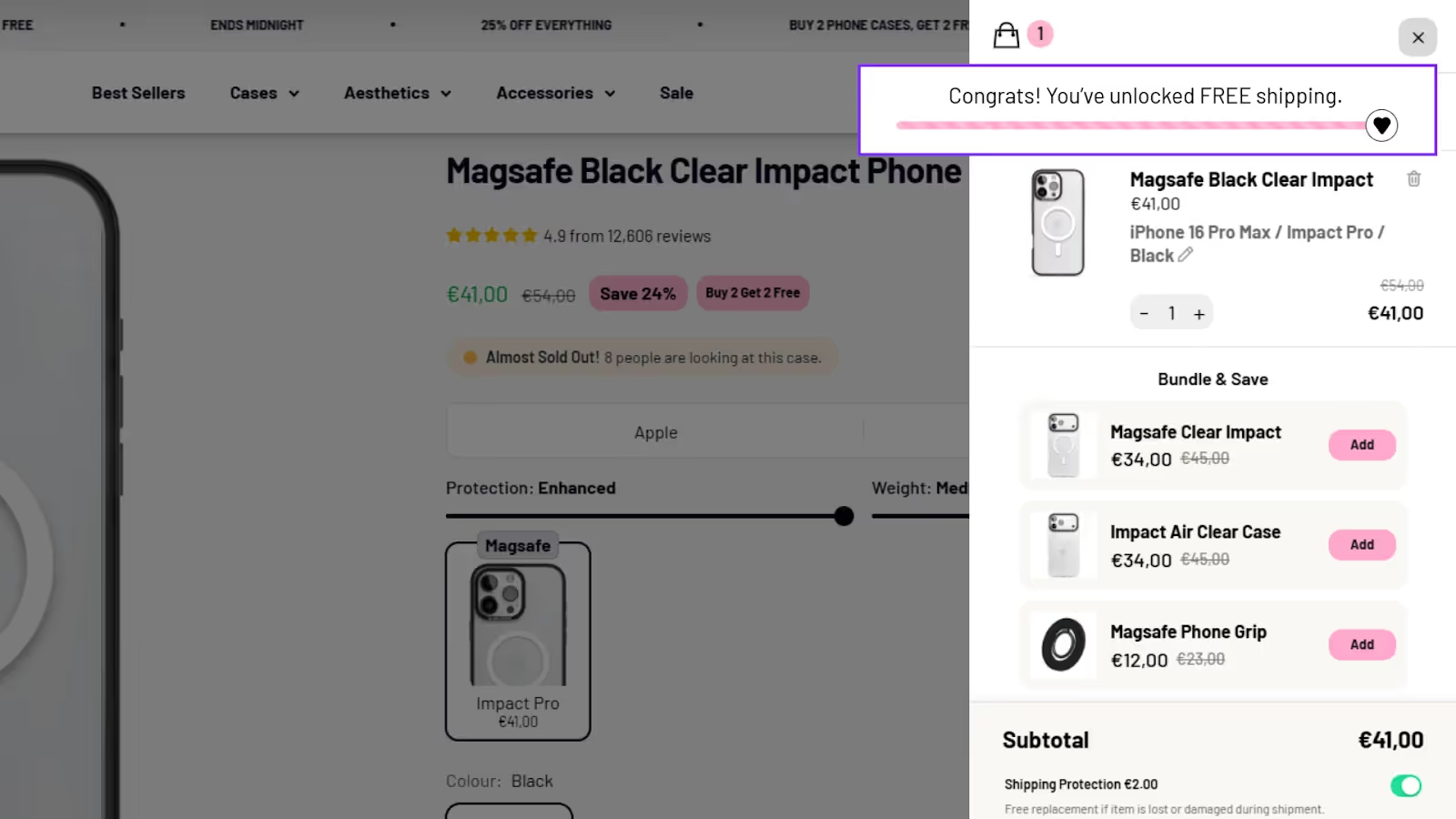
One effective way to boost customer engagement is to prompt customers to act at key moments in their shopping journey.
When customers see a progress bar like "Add $15 more for free shipping!", it transforms passive browsing into active participation. They're now engaged in reaching a goal, not just shopping.
It's a simple tactic, but easy to get wrong. Set it too high, and customers abandon their cart. Set it too low, and you lose profit.
Check your average order value first. Then set your threshold slightly above it to avoid cart abandonment.
Blanc Space is a great example. The phone case brand sets its free shipping threshold at €45. Their cases cost €23 to €30 each. This pushes customers to add a second item to qualify.
Make Every Purchase Meaningful With Reward Programs
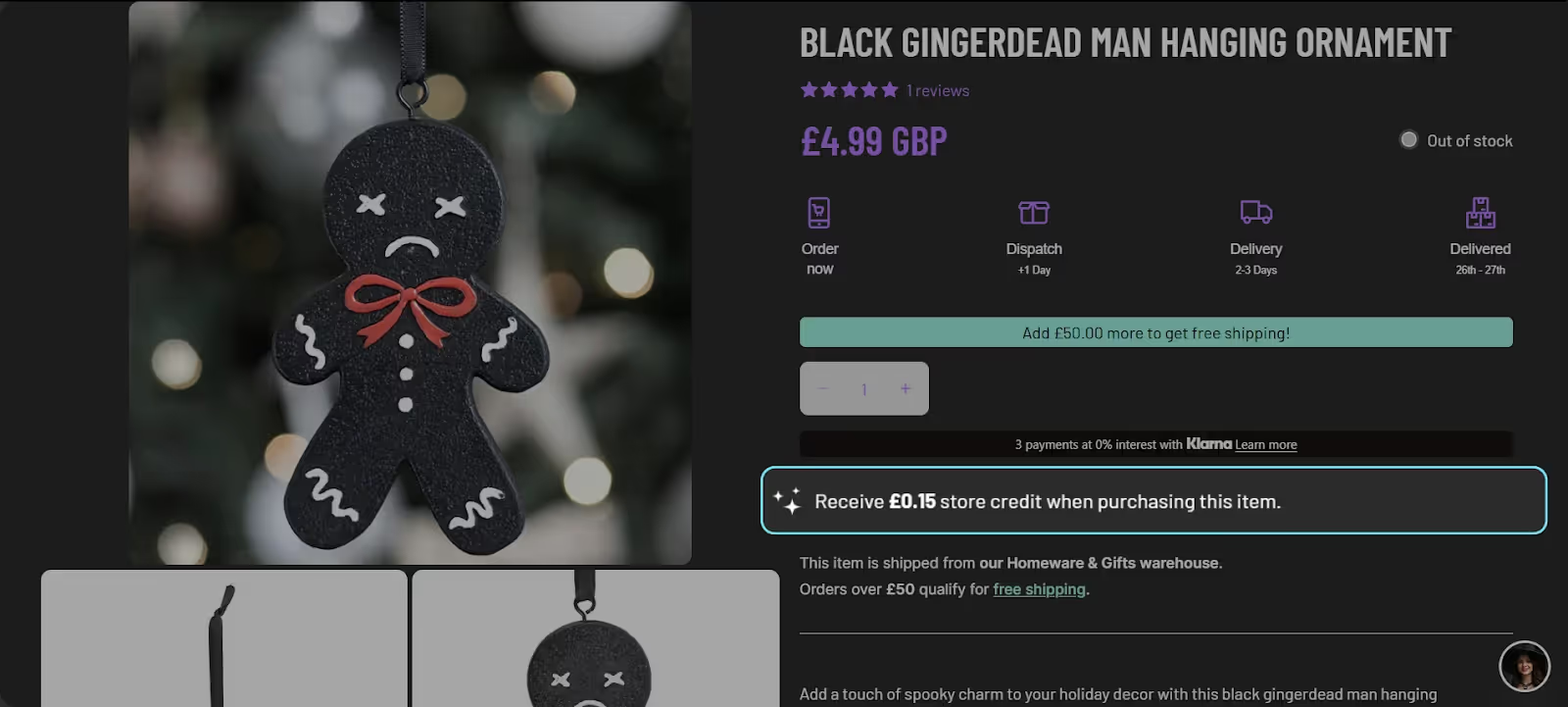
Shopping feels more memorable when customers receive something extra.
Reward programs show customers you value them. They build long-term relationships beyond a single purchase.
Witch, Please! understood this goal. They wanted to engage with customers without confusing points programs. With Koin, they launched a simple cashback program. Customers earn store credit with each purchase and can redeem this credit on their next order.
As a result, the customer engagement strategy drove a strong increase in returning customers and generated more than $34,000 in total sales.
How to Know If Customer Engagement is Working
There’s a fine line between engaging customers and pushing them away. Watch for these signs to see if your engagement efforts work:
Customers return for repeat purchases
This is the easiest way to measure success.
Repeat purchases show that customers are satisfied. They like your products and shopping experience. Over time, this loyalty creates a steady revenue stream that benefits your business.
People engage across your omnichannel touchpoints
If your customers engage across all the channels you expect them to be on, your customer engagement strategy is working well. You can then refine each channel along the way as you uncover new insights and customer behaviors.
Engaged customers don't stick to just one channel. So be present where your customers are.
For example, if your customers buy on mobile, make your site fully responsive. Similarly, if your customers frequently engage through email or social media, those channels should deliver a consistent experience that supports their buying journey.
Customers leave positive reviews
Reviews and feedback are the two best indicators of customer satisfaction. They show how customers truly feel about their experience with your brand. Consistent positive feedback signals your engagement efforts are working.
Don't be discouraged if customers don't leave reviews. Sometimes, people are simply busy or forget. All they need is a gentle nudge to share their experience and provide feedback. Consider offering small incentives, like gift cards or store credit, to increase response rates.
However, creating meaningful engagement isn't as easy as it sounds.
Common Mistakes That Hurt Your Customer Engagement
Before you get started, know what could go wrong.
Many brands unintentionally drive customers away. These mistakes can quickly damage your brand perception and erode customer trust.
According to Emplifi, 70% of consumers admit that they will leave a brand after just two bad experiences.
Here are common mistakes merchants make when executing their customer engagement in ecommerce:
Create too many pop-ups with the wrong timing
Pop-ups are great for engagement. You can capture emails, promote offers, or reduce cart abandonment.
However, pop-ups create frustration when they appear too frequently, at the wrong moment, or interrupt the browsing experience.
To maintain positive engagement, set pop-ups to appear after customers scroll 75% of the page. Or show them after two page views.
This approach gives visitors time to understand your brand first, improving trust and the likelihood of conversion.
Neglect customer data protection
Customer engagement in ecommerce is built around trust. When customers share personal information, they expect you to protect it.
But most merchants overlook this. KPMG reports that 60% of consumers believe companies routinely misuse their personal data.
Before building engagement, prove yourself reliable. Essential privacy practices include:
- Being transparent about your privacy policy.
- Applying SSL certificates (HTTPS) on every page.
- Using trusted, PCI-compliant payment processors.
- Complying with privacy regulations like GDPR and CCPA.
Overlook user experience
Your landing page makes or breaks whether customers shop on your site.
A well-designed site shows you're credible and professional. Clear navigation, fast loading, and mobile-friendly design all contribute to a seamless experience.
A poorly designed site signals the opposite. Consider this: If you don't invest in a quality site, why should customers trust your products over competitors?
Final Thoughts
Customer engagement is about building genuine relationships. Turn first-time buyers into loyal advocates.
The six strategies in this article give you a strong starting point. Start by understanding your customers. Then find the channels they use most. From there, implement strategies that fit their behavior and preferences. Test, measure, and refine as you go.
Remember: customer engagement is a continuous commitment to creating positive value at every touchpoint.
FAQs

Convert your website into a mobile app