Every store has a group of customers who would buy almost anything you launch. They open your emails, know their size in your fit and come back without a discount to nudge them.
Yet when a new collection, a sale or a sold-out favorite goes live, most stores treat them like everyone else. They get the same email at the same moment as someone who signed up yesterday, and they compete with the same crowd for the sizes they want.
Early access puts them first in line. Your best customers shop before everyone else, which rewards their loyalty without cutting your price and gives every other customer a reason to earn the same perk.
This guide covers what you can offer early access to, why it often beats a discount, how to run it and why a mobile app is the best place to do it.
What Is Early Access?
Early access is a head start you give a chosen group of customers. They can buy a new product, shop a sale or grab a restock before it opens to everyone else, usually for a few hours or a few days.
The group can be anyone you want to reward or recruit:
- Members of your loyalty program, or its top tier
- Customers who spend above a set amount each year
- Email and SMS subscribers
- People who shop in your mobile app
- Paying members of a membership program
The product and the price stay the same. What changes is the message: early access shifts a launch from “please buy now” to “you’ve earned this.”
And because customers keep the perk only while they qualify, it gives them a reason to keep shopping with you, stay in your program or keep your app.
What Can You Offer Early Access To?
You can offer early access to almost anything customers want and could miss out on. Most online brands use it in four ways.
New Products and Collections
Letting a select group shop a new product before launch day puts it in front of the customers most likely to buy it, while every size and color is still in stock. It also makes the launch feel like an event rather than another product going live.
Their orders show you early which sizes and colors are selling, so you can change what you feature or reorder before everyone else can buy.
When a release is limited to a set number of pieces, early access becomes part of a product drop, where the scarcity does as much of the selling as the timing.
Restocks
A restock of something that sold out is the easiest early access you’ll ever offer. Demand is already proven, and the customers who missed it last time are the ones watching for its return.
Give early access to the customers who joined a waitlist or asked for a back-in-stock alert. They’ve already told you they want it, and letting them in first spares them missing out twice.
Sales and Promotions
A head start on a sale lets your best customers shop the full range of sizes and styles before the crowd arrives. When popular items sell out early, that first pick can matter as much as the discount itself.
You also get a chance to catch problems, like a wrong price or a discount that doesn’t apply, while only a small group is shopping.
Product Testing Groups
Some brands invite a small group to try products that aren’t finished yet, in exchange for feedback. Customers feel like insiders, and you get honest input before you commit to a full production run.
It’s the most personal form of early access, because the customers you invite help shape what you sell.
Why Does Early Access Work?
Early access works because it gives customers something they value: a better pick and the sense that a brand knows who they are.
Shoppers say as much. In a 2026 LoyaltyLion survey of 4,000 US and UK shoppers who belong to at least one ecommerce loyalty program, 75% rated early access to sales as an important perk, and 66% said the same of early access to new products. And 42% said they joined their last loyalty program to get early access to sales or special offers.
A few things make the perk so effective:
- First pick has real value, because the customer who shops first gets their size and color before they run out.
- Recognition builds loyalty, because being let in early tells customers you know them and value their business.
- A closing window prompts action, because the head start ends at a set time, so customers who want first pick buy now instead of waiting.
Is Early Access Better Than a Discount?
Early access is usually a better reward for loyal customers than a discount, while discounts tend to be a better tool for winning new customers at scale.
A discount makes a product cheaper. Early access makes customers feel first, and gives them a better chance at the sizes and styles that sell out.
| Early access | Discount | |
|---|---|---|
| Cost to your margin | None on launches and restocks, which sell at full price | A share of every order that uses it |
| Effect on your brand | Feels exclusive and supports full-price positioning | Can train customers to wait for the next markdown |
| Who it attracts | Customers who care about your products | Anyone, including shoppers who only buy with a code |
| Effort to run | A list of who qualifies and a way to keep others out | Creating and sending a code |
| How far it scales | Loses its pull if too many people qualify | Works for any audience size |
| Best suited to | Keeping and rewarding your best customers | Winning first orders and clearing stock |
Early access costs you nothing per order. Letting your VIP list shop a launch or a restock a day early doesn’t touch your margin, while a 15% code takes 15% off every order it’s used on.
It also points customers toward the behavior you want. A discount teaches people to wait for the next code. Early access teaches them that being a loyal customer pays, which is how you build repeat buyers and lifetime value.
It grows your lists, too. When joining your program, subscribing or downloading your app is how customers get in, more of them do it.
And once they’re in, they read your emails, texts and push notifications, because those messages tell them when access opens.
The trade-off is effort. You have to manage who’s on the list and set things up so only they can buy, which takes more work than sending a code. And the perk depends on exclusivity, so it can’t stretch to everyone the way 10% off can.
We’re not saying you should never discount. Nearly every brand does, and discounts are the easiest way to capture new customers. For the customers who already love you, though, early access does more for loyalty, for your brand and for your margin.
Examples of Brands Using Early Access
Some of the biggest names in retail build early access into their loyalty and membership programs. Each one ties the head start to something the brand wants more of.
Sephora
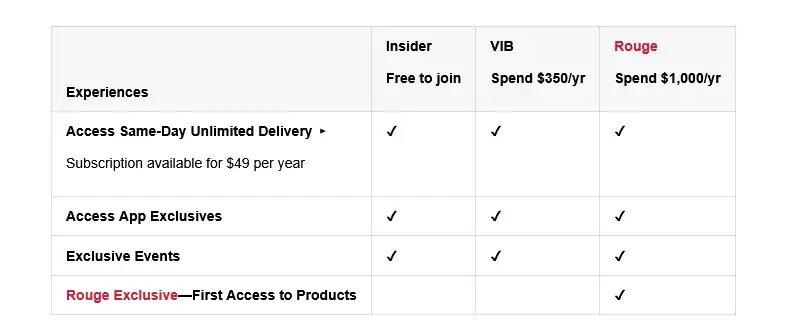
Sephora uses early access to reward its biggest spenders. Customers who spend $1,000 in a calendar year reach Rouge, the top tier of its Beauty Insider program, according to Sephora’s program FAQ.
Rouge members shop Sephora’s Savings Event a few days before other members, and they get some new arrivals 24 hours before anyone else. That gives customers in the lower tiers a clear reason to spend their way up.
Sephora’s comparison of its tiers lists first access to products as a Rouge exclusive.
Walmart
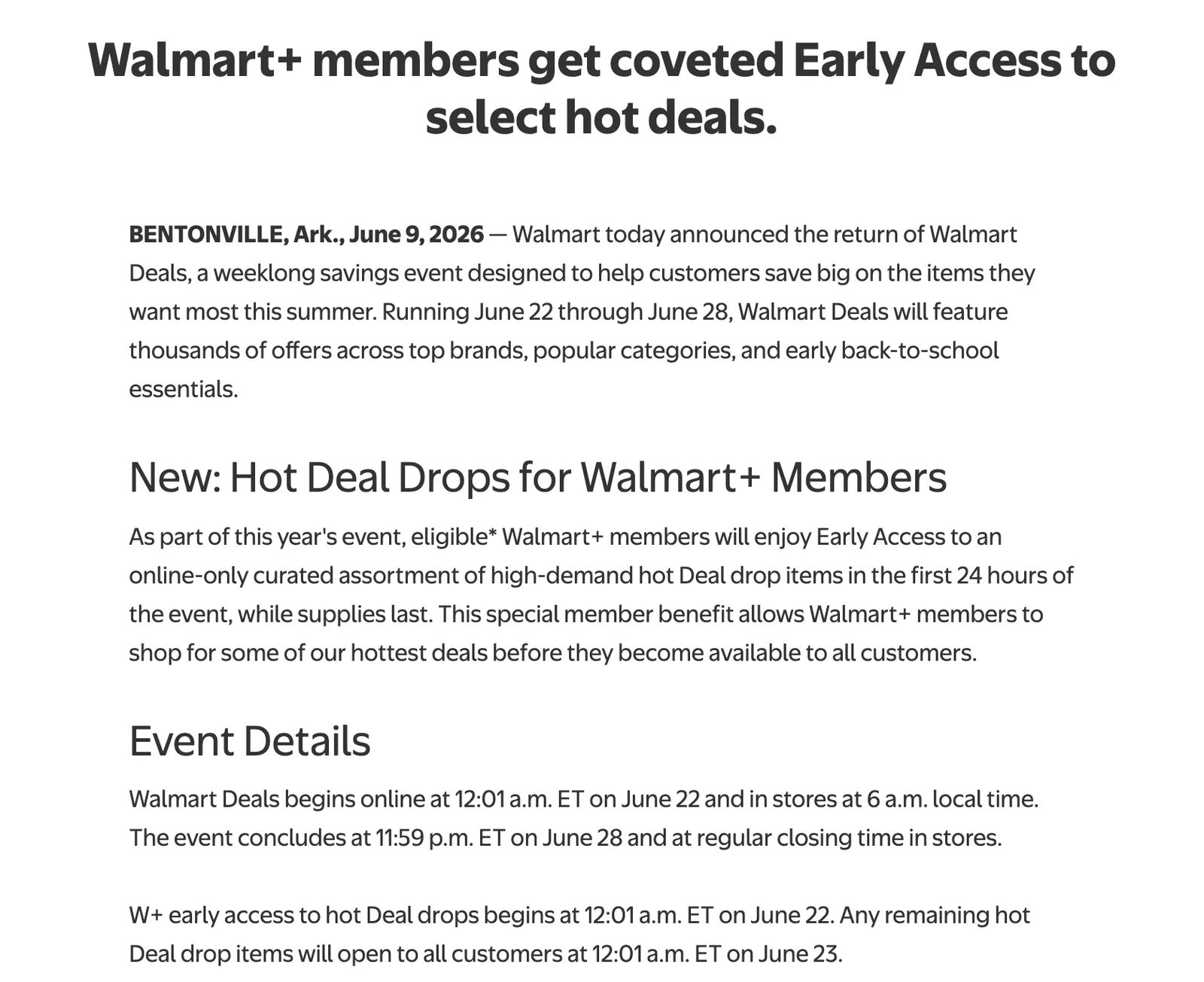
Walmart uses early access as a perk of its paid Walmart+ membership. During its Walmart Deals events, members get the first 24 hours with a selection of the most in-demand deals, and whatever is left opens to all customers the next day.
Walmart’s announcement of its June 2026 event spells out how the head start works.
For a membership people pay for, a head start on the deals most likely to sell out is a benefit members can see and use at every event.
How to Run an Early Access Program
Running early access comes down to five decisions: who qualifies, how long they get, how you keep everyone else out, how you tell them and how you measure the result.
Choose Who Gets Early Access
Tie early access to the behavior you want more of, because whatever customers do to qualify is what the perk will grow. Customers can earn it when they:
- Join your loyalty program, or reach its top tier
- Spend above a set amount in a year
- Subscribe to your emails or texts
- Download your app and turn on notifications
- Pay for a membership
- Join a waitlist for a specific product
Keep the group small enough to feel special. If everyone qualifies, nobody is really first and the perk loses its pull.
Decide How Long the Head Start Lasts
Match the window to what’s on offer. A few hours is enough for a restock that will sell out fast, while a sale can open a day or a few days early, as Walmart and Sephora do.
A longer window gives more of your best customers time to act, but it also keeps everyone else waiting. Tell your wider audience when their turn comes, so the wait builds interest rather than frustration.
Keep It Exclusive
Early access only works if other customers can’t get in. Put the product or sale behind something only the right customers have: a signed-in account with the right tag, a password-protected page, a code that works for one group or a page that only appears in your app.
Check the gate from the outside before you announce anything. A product that anyone can reach through a search or a shared link turns a reward into a leak.
Tell Customers When Access Opens
A head start is only useful if customers know about it. Tell them in advance when access opens, then reach them again the moment it does, through the channel they’ll see fastest.
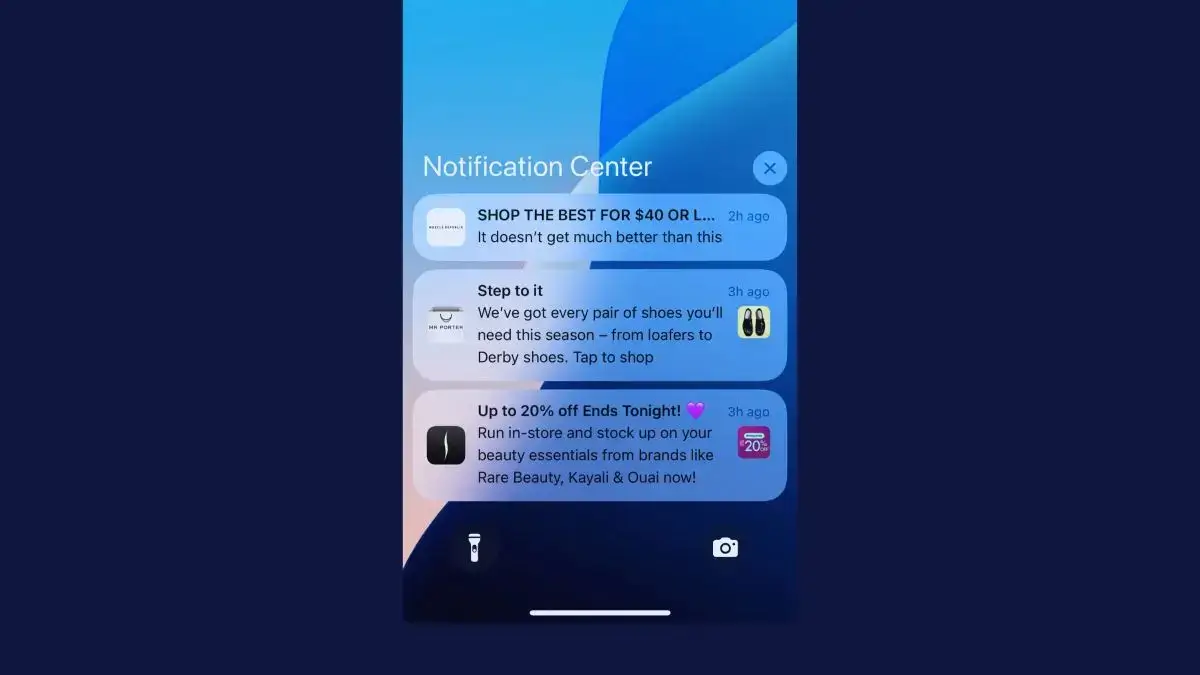
Email suits the advance notice. For the moment itself, a text or a push notification lands faster than an email that sits in a crowded inbox.
Measure What Early Access Brings In
Track how much of the launch, sale or restock sold during the early window, and how many people joined your program, list or app to qualify.
Over time, check whether customers buy more often after they qualify than they did before. Comparing them with your other customers won’t tell you much, because the group starts out as your best customers.
A rise in how often they buy is what shows the perk is building loyalty, rather than just moving sales earlier.
Why Is a Mobile App the Best Place for Early Access?
A mobile app is the best place to run early access, because it puts the perk in front of your most loyal customers and gives you a built-in way to keep it for them.
Your App Users Are Already Your Best Customers
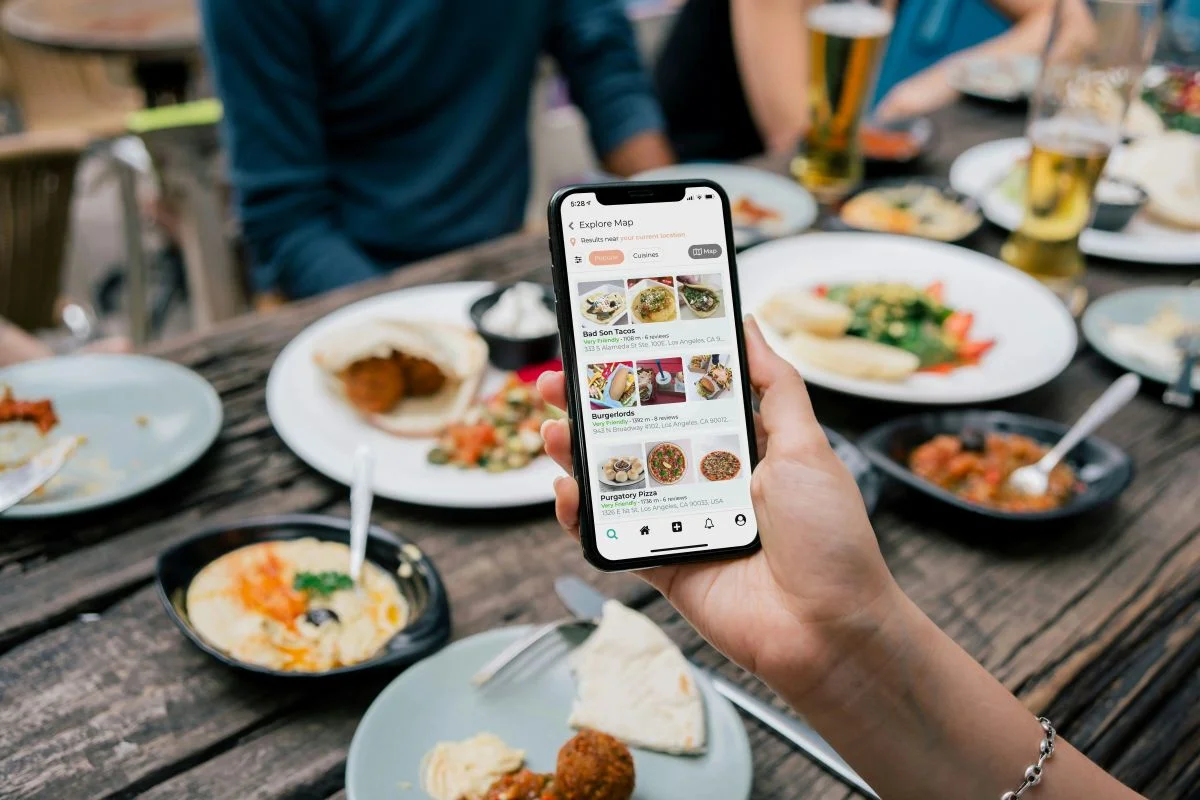
Customers don’t download an app to browse once. The people who install yours are the ones who shop with you again and again.
In our ecommerce mobile app benchmark report, brands with apps often see 10% to 30% of their online revenue come through the app, from a much smaller share of their customers. App users’ lifetime value is 2.8 to 5 times that of web-only shoppers.
That makes your app users a ready-made VIP list. You don’t need a tier system to find your most loyal customers, because they’ve already found your app.
Fashion retailer Rainbow Shops sees the same pattern in its own app.
"Push notifications are the cheapest and most powerful communication channel we have. We find that users who prefer to interact via an app are more loyal, buy from us more often and spend more time with our content."
Your App Can Keep Early Access for App Users
An app can show pages, products and discount codes that only people shopping in it can see. That gives you the gate without passwords or customer tags: the early access collection lives in the app, and your website shows nothing until launch day.
Customers also stay signed in to your app, so you know who’s shopping. If you want a tighter group, you can open early access to a loyalty tier within your app users.
The announcement stays just as private. Push notifications reach only the people who have your app, so the message that access is open goes only to the customers who can use it, at no cost per message.
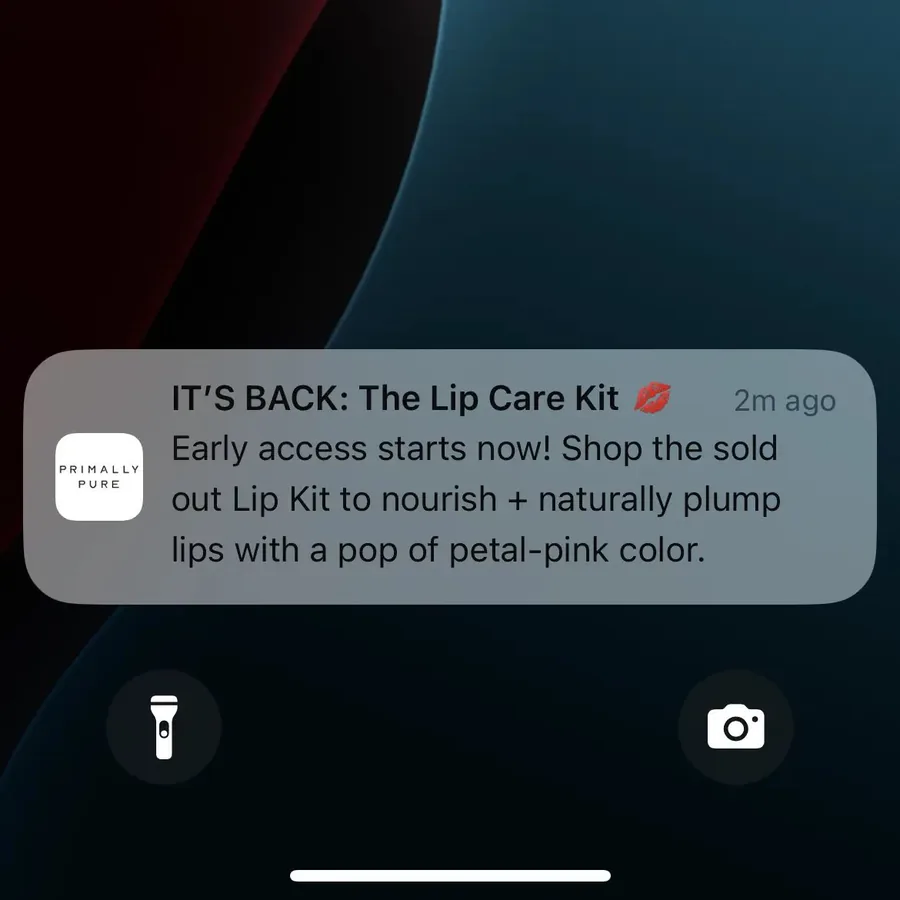
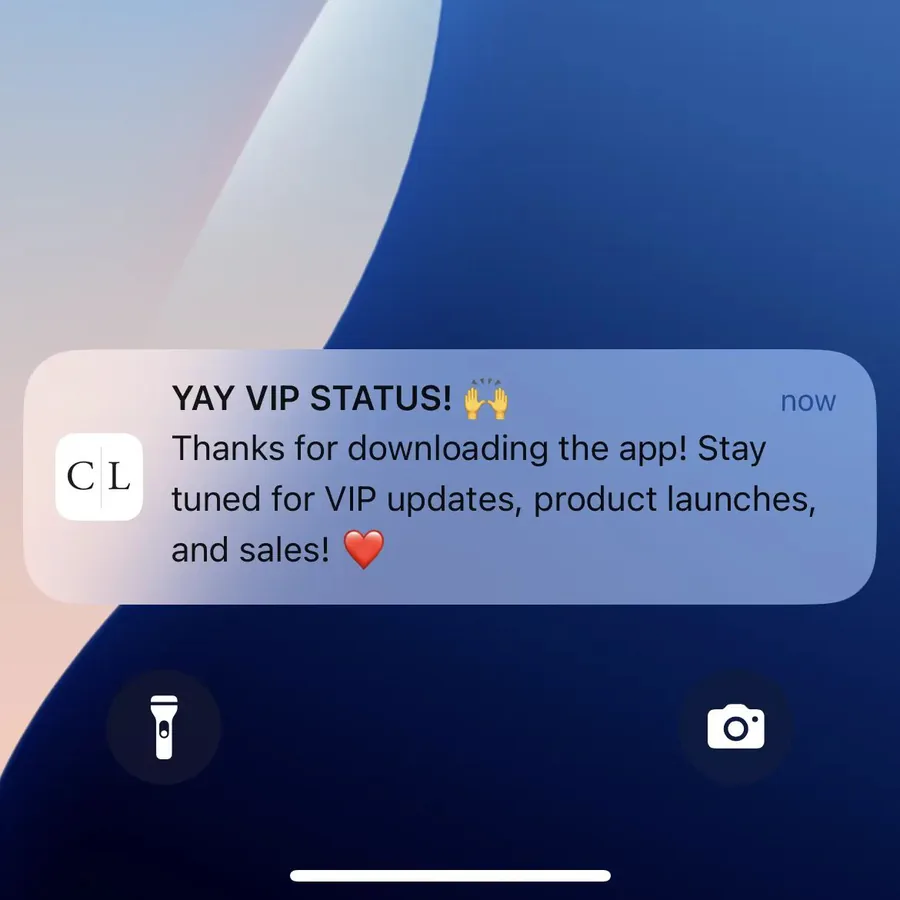
Brands already use them this way. Primally Pure sent the first notification below when a sold-out kit came back with early access, and Caden Lane welcomes new app users with a promise of VIP updates on launches and sales.
Early Access Gives Customers a Reason to Keep Your App
A welcome discount is the usual way to get people to download an app. It works once, and some customers delete the app as soon as they’ve used the code.
Early access works every time you launch something. It gives customers a reason to keep your app on their home screen and leave notifications on, which keeps your most direct line to them open.
Running Early Access in Your Own App with MobiLoud
Early access needs an app your best customers will keep. For most brands, though, building one from scratch means a separate codebase to pay for, staff and keep in step with the website.
MobiLoud transforms your website into a custom native app, powered by the same underlying code as your website. Your products, accounts, loyalty program and checkout are in the app from day one, and changes you make on your site show up there too.
The app then adds what early access needs:
- Pages only app users can see, built in the platform you already use
- On Shopify, products and discount codes that work only in the app
- Push notifications that reach your app users the moment access opens
- A custom native design that puts your brand on your best customers’ home screens
Our team builds the app, submits it to the App Store and Google Play and keeps it working through every iOS and Android update. Most apps go live within a few weeks, ready for your next launch.
Final Thoughts
Early access matters because your best customers keep your business going, and most stores still make them wait in line with everyone else. A head start rewards them without a markdown, and it gives every other customer a reason to join them.
Use early access when you have something customers want and could miss, like a launch, a restock or a sale whose best sizes go fast. Use a discount when you need to win a first order or clear stock. And if your best customers already shop in your app, make the app the place where early access happens.