
Executive summary
Black Friday and Cyber Monday (BFCM) have become a battle of attention and margins. The brands that win are the ones that own their customer relationships, instead of paying inflated ad rates, fighting through crowded inboxes, and battling for customers who disappear once December hits.
First, the facts
Mobile is the dominant platform More than half of US online sales on Black Friday and Cyber Monday now happen on a phone. Worldwide, phones account for about 70% of online orders during Cyber Week, and about 80% of ecommerce traffic.
Costs spike, and traditional channels are saturated Acquisition costs rise 2.5–3x, CPMs climb 58%, and brands send nearly 30% more email during Cyber Week.
Shoppers prefer apps 88% of mobile internet time is spent in apps. Shoppers prefer the convenience of an app to a crowded browser.
Push cuts through the noise Push is less saturated than email and SMS, and it reaches your customer’s home screen directly, at no cost per send.
Apps convert and retain better than websites MobiLoud-powered brands regularly see 7x higher conversion rates and 3–7x higher LTV from app users, with 20–30% of their revenue coming through the app.
The four BFCM app advantages
A mobile app gives ecommerce brands a competitive advantage on Black Friday. There are four distinct ways that having your own app helps you win.
Own the channel Reach customers instantly with push, without paying per send or competing in crowded channels.
Convert better Deliver a faster, distraction-free shopping experience, with higher conversion rates and powerful abandoned cart recovery.
Create a VIP experience Reward loyal customers and drive future engagement with early access, app-only deals and exclusive drops.
Retain customers beyond BFCM App shoppers are easier to re-engage all year, which drives repeat purchases long after Cyber Monday ends.
What this playbook delivers
This guide gives you a complete, actionable plan to:
- Grow your app user base before BFCM
- Build high-impact push and in-app campaigns
- Structure offers that drive installs and loyalty
- Keep new customers engaged after Cyber Week
- Launch a fully branded iOS and Android app in 6 to 8 weeks, with MobiLoud
The bottom line
For some brands, BFCM is just a sales spike: a high that wears off quickly.
For brands with mobile apps, it’s a strategic opportunity to bring customers into a channel you own, convert them at higher rates, and keep them for the long term.
With a MobiLoud-powered app, you’ll cut through the noise, protect your margins, and turn BFCM shoppers into year-round loyalists.
The competitive advantages of mobile apps for BFCM
Black Friday and Cyber Monday are the most competitive shopping window of the year. Ads are more expensive, inboxes are flooded, and consumers are bombarded with offers from every direction.
The brands that win are the ones that can:
- Reach their customers instantly and directly
- Convert traffic at the highest possible rate
- Create a sense of exclusivity and loyalty
- Retain new customers well beyond Cyber Monday
A mobile app, paired with strategic push notifications, is the ultimate tool to make that happen. Here’s why.
1. Push cuts through the noise
BFCM is a full-scale attention war. Your customers’ inboxes will be overflowing, their social feeds saturated with ads, and their phones buzzing with SMS offers from every brand they’ve ever bought from.
Here’s the state of play:
- Email competition is brutal. Brands send nearly 30% more emails during Cyber Week, so even your best subject lines can get buried before they’re opened.
- Paid ads are prohibitively expensive. CPMs climb by 58%, CPCs spike, and acquisition costs jump to 2.5–3x their normal levels.
In this environment, push notifications are a priceless part of your stack. They’re a direct, unmissable line to your customers, with:
- Immediate visibility. Pushes appear directly on the lock screen, bypassing inbox filters, ad auctions and algorithmic feeds.
- Zero incremental cost. Unlike ads or SMS, push lets you send more frequent updates without eating into your margin, so you can run timely, high-frequency campaigns and still protect your budget.
- Proven results. We’ve seen it ourselves: push works. Abandoned cart notifications convert at as much as 22% for some brands.
2. Apps convert more traffic, faster
Your customer has twelve tabs open, and every brand is trying to sell to them at the same time.
BFCM isn’t just about getting people to your store. It’s about converting them before they get distracted or buy from someone else.
When it comes to conversions, mobile apps consistently outperform mobile web, with conversion rates up to 7x higher in some cases. Why?
Streamlined, distraction-free shopping
Mobile browsers are noisy: tabs, search bars, notifications and competing offers are just a click away.
An app immerses the shopper in your brand’s environment, with no competition and no distractions, which keeps them focused on your products and offers.
Frictionless checkout
Mobile payment options like Apple Pay, Google Pay and stored payment details make checkout nearly instant.
Every extra second in checkout increases the risk of drop-off, and during BFCM, shoppers have less patience than ever.
Recovering lost sales on autopilot
BFCM traffic is high, but so is cart abandonment. Over 85% of carts on mobile web are abandoned, and that’s under normal circumstances. Expect even higher abandonment rates during BFCM.
With an app, abandoned cart push notifications can recover sales within minutes of drop-off, while buying intent is still hot.
Personalization at scale
Apps allow for highly personalized product recommendations, dynamic merchandising and contextual push notifications, all designed to speed up decisions.
For example, a customer who viewed winter jackets in your app gets a “Flash deal, 2 hours only” push that takes them straight to that category.
3. VIP treatment for your best customers
BFCM isn’t just about winning any customer. It’s your chance to double down on the ones who matter most: your loyal, high-value shoppers. These are the customers who buy more often, spend more per order, and tell others about your brand.
A mobile app gives you the perfect stage to make them feel like true insiders, and that feeling pays dividends well beyond Cyber Week.
Why VIP treatment matters during BFCM
- In a sea of 50%-off discounts, exclusivity hits different.
- Your high-LTV customers aren’t just looking for discounts. They want access, recognition and experience.
- Your best customers want to be rewarded for their loyalty. BFCM is the perfect opportunity to do this, and to turn them into devoted loyalists.
A mobile app is the perfect loyalty engine during BFCM, because the download itself picks out your high-intent, loyal customers.
With an app, you can run unique campaigns like:
- Early access. Open your BFCM sale to app users 24–48 hours before the public.
- App-only discounts and offers. Offer a deeper discount or an exclusive bundle in the app only.
- Exclusive product drops. Launch limited-edition or seasonal products to app users first.
These initiatives help drive revenue well beyond Cyber Week. When customers feel like VIPs, they’re more likely to:
- Shop with you first when they need something you sell
- Keep your app on their phone for future offers
- Engage with your pushes all year, because they expect high-value content
4. Retaining your customers beyond Cyber Week
For most brands, BFCM is a sales spike and then a drop-off. You run huge promotions, attract thousands of new customers… and then lose most of them before the next sale.
With a mobile app, you can flip that pattern. Instead of a short-lived boost, BFCM becomes the starting point of a long-term customer relationship.
Why retention is harder without an app
- Web shoppers are more likely to be one-time buyers, especially if they came in through discount-driven ads.
- After Cyber Week, your email open rates dip, your ad costs stay inflated through the holidays, and your deal-hunters move on to the next brand.
- Email and SMS are losing their effectiveness. Many web buyers don’t open your follow-up messages, and you’re left paying to advertise to them again.
An app turns BFCM shoppers into long-term loyalists
Every BFCM download puts your brand directly on a customer’s home screen, which creates a more lasting connection and opens the door to future interaction.
You can reach them again for free with push notifications, and keep them engaged all year with loyalty rewards, new product drops and value-add content like style guides, gift ideas and seasonal tips.
Over time, app users not only come back more often, but also spend more per order and stay loyal longer. Brands using MobiLoud-powered apps typically see 3–7x higher LTV from app customers than from web-only shoppers, so the initial BFCM investment pays off in long-term profitability.
The bottom line
If you want to protect your margins, win attention, and turn this year’s BFCM shoppers into long-term loyalists, you need an edge. A mobile app is that edge.
It helps make sure your BFCM customers aren’t one-and-done buyers on 0% margins, but valuable, long-term customers whose value compounds over time.
How brands are using apps and push to win BFCM
Top-performing brands aren’t relying on email blasts and Meta ads to drive results on Black Friday. They’re running high-impact plays with their mobile apps, to grab attention, drive more sales at higher margins, and build loyalty that lasts through the rest of the year and into the next.
They’re turning their apps into BFCM command centers, with push notifications, app-exclusive offers and personalized shopping experiences that cut through the chaos.
And they’re doing it in ways that are repeatable, measurable and often surprisingly simple to execute. Here are a few of the strategies we see from brands with mobile apps.
App-only early access sales
Exclusive, early access sales tap into urgency and exclusivity, two of the strongest psychological levers in ecommerce.
By offering app-only promos, early access or extended sales, you create a compelling reason for shoppers to download your app.
And instead of fighting to be heard when inboxes and ad feeds are at peak saturation on Black Friday morning, you lock in sales from your most engaged customers days earlier, while competitors are still warming up.
In-app exclusives and app-only bundles
Exclusive drops and bundles, and limited-time app-only sales, give customers a reason to open your app again and again during BFCM.
Paired with targeted push notifications, this strategy means you’re not just relying on shoppers remembering to check in. You’re actively bringing them back to your store at the exact moment you want them to act.
In-app exclusives create a VIP moment that feels different from the same old promotions, and targeted push makes sure your most interested shoppers never miss it.
Using push to drive sales and engagement
During BFCM, attention is fleeting, and the brands that win aren’t shy about showing up several times a day.
Push notifications have zero incremental cost, so you can scale up your messaging without destroying your margins.
There’s also much less pressure for every push to lead to a sale. Your notifications can convert, or they can simply keep your brand top of mind.
Here are some example push templates for the big weekend:
- Your brand now 🚨 New drop just went live, app only!
- Your brand now Your size is selling out fast. Grab it before midnight.
- Your brand now Day 3 of deals: 25% off outerwear ends tonight.
- Your brand now Not sure where to start? Our BFCM favorites are here.
- Your brand now Want a hint? Tomorrow’s drop is 🔥 Get ready.
- Your brand now We’ve curated today’s best deals, just for you.
- Your brand now VIP discounts in the app. Open it and see what’s waiting for you.
Turning increased awareness into app downloads
BFCM brings your highest traffic and attention levels of the year.
Every touchpoint, from your website to your packaging, is a chance to move shoppers into your owned channel (your app), where you can reach them directly with push notifications for free.
The more customers you can turn into app users during this surge, the bigger your long-term retention and revenue upside.
Driving higher sales through app engagement
App users don’t just visit. They stay, explore, get distracted less, and buy at a higher rate.
The combination of rich visuals, seamless checkout and deeper immersion creates longer sessions and more frequent visits, which translate directly into higher revenue per user.
That means you get more out of each visit, which is crucial when CPMs and CACs are so much higher. And the more zero-cost, high-margin sales you get through the app, the better you can weather those high ad costs.
Real-world example
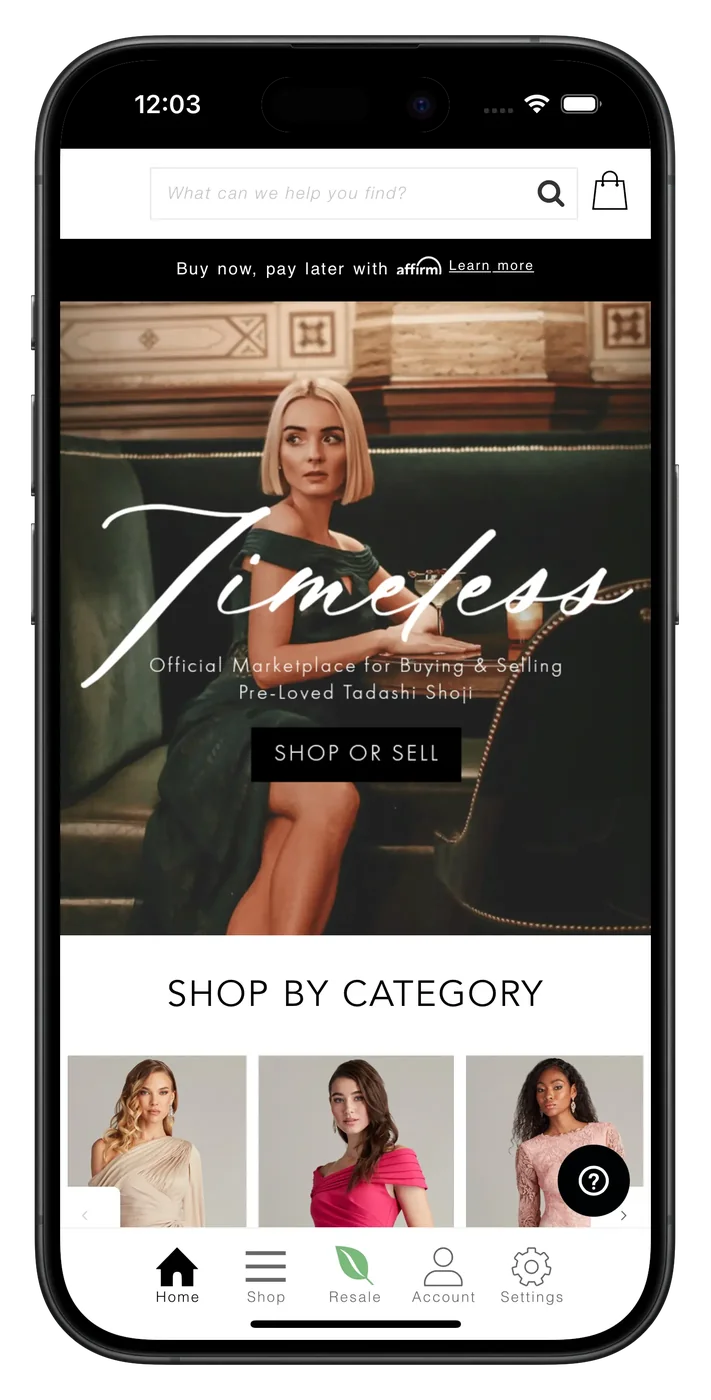
Tadashi Shoji
Luxury fashion brand Tadashi Shoji sees a stark improvement across the board from its mobile app.
- 10x more revenue per app user than mobile web
- 8.3x higher conversion rate in the app
- 3.8x as many sessions per user
- 2x the average session duration of mobile web
Recovering would-be lost revenue
Cart abandonment is a massive opportunity at any time of year. The average ecommerce store loses about 70% of its potential orders to abandoned carts, and on mobile it can be even higher, often over 85%.
During BFCM, you can expect that number to climb higher still, with customers’ attention pulled one way and the other.
Push notifications are one of the most direct and effective ways to recover these sales. They deliver timely, personalized reminders, without the friction of inbox filters or ad costs.
Real-world example
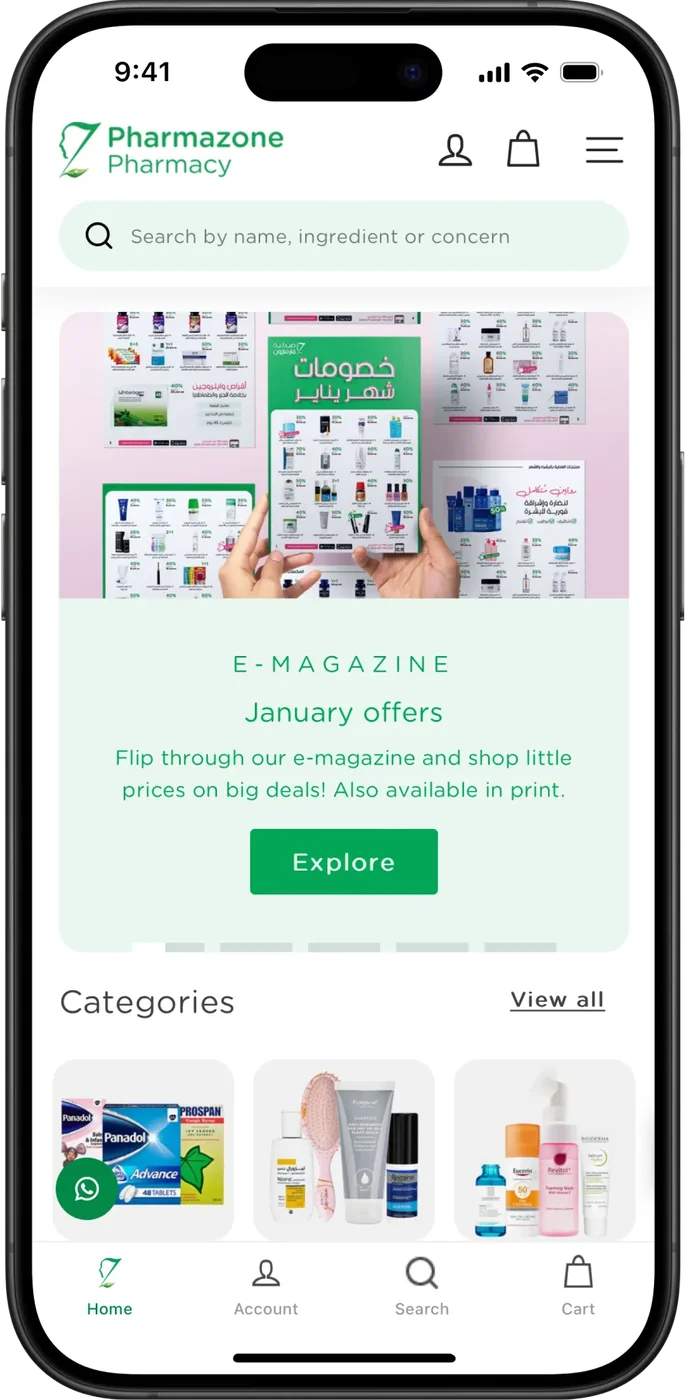
Pharmazone
Pharmazone’s mobile app is a major revenue driver, and a big reason why is its abandoned cart notifications.
- 63% of online revenue comes through the app
- 22% conversion rate on abandoned cart push
The bottom line
The top-performing DTC brands engineer their Black Friday campaigns not for a short-term sales spike, but for maximum lifetime value.
From early-access sales to app-only exclusives, personalized campaigns, high-volume push strategies, engagement-driven merchandising and powerful cart recovery flows, their apps do more than just sell. They let the brand own the customer relationship.
From strategy to execution: getting BFCM-ready
The plays you’ve just seen aren’t theoretical. They’re proven, repeatable, and already delivering millions in extra revenue for DTC brands.
But the real question is how you get from “great ideas” to “we’re running this at scale in time for BFCM”.
The answer is preparation. To execute at this level, you need to:
- Have your app live and push-ready well before the sale begins
- Grow your app user base and push opt-ins in the weeks leading up to BFCM
- Map out your campaigns, creative and offers in advance, so you can focus on live execution instead of scrambling
- Test your tech stack, checkout flow and push automation, so nothing breaks under BFCM load
In the next sections, we’ll give you a step-by-step game plan, from building your install pipeline, to priming your audience, to locking in high-impact push and in-app campaigns.
Follow it, and you’ll go into Black Friday with a sales engine that’s fueled, tested and ready to run at full speed.
Your complete BFCM mobile app playbook
Your app is a dynamic, owned platform you control end to end during BFCM. Here’s how to get the most out of it before, during and after the big weekend.
1. Prep: grow your audience and prime engagement
Goal Get as many engaged, push-enabled users into your app as possible before the sale starts, from about six weeks out.
- Promote app installs everywhere: site banners, product page CTAs, order confirmation pages, email and SMS footers, social posts and packaging inserts. For incentives, try early access, app-only discounts or a free gift with the first app order.
- Optimize your push opt-in rate: on iOS, use a pre-prompt that explains why notifications are worth turning on (“VIP early access, back-in-stock alerts, exclusive drops”).
- Build a regular push cadence: at least one or two pushes a week, so users get used to engaging with you. For example, “See our fall favorites” or “Your VIP preview starts soon.”
- Drive in-app engagement: launch a “BFCM coming soon” hub or countdown page in the app to build anticipation.
2. Push: your core messaging channel
Goal Reach customers instantly and repeatedly, without paying ad costs or drowning in saturated inboxes.
- Automate high-value triggers: abandoned cart, browse abandonment, low stock and price drop, all set up and tested before BFCM.
- Run high-frequency campaigns: two or three pushes a day on peak BFCM days, mixing hard offers with lighter awareness nudges.
- Use urgency and exclusivity: for example, “VIPs shop first. Tap to unlock.” or “Only 12 hours left for app-only deals.”
- Use rich push: add product images, sale graphics and deep links straight to the relevant categories or products.
3. App experience: make it feel special
Goal Create a branded, VIP shopping environment that shows the value of using the app.
- Seasonal branding: swap your app icon, splash screen and homepage banners for BFCM creative.
- A custom in-app sale hub: a dedicated BFCM page with all your deals, updated daily.
- App-only offers: deeper discounts, exclusive bundles or limited product drops.
- Gamification: for example, “Spend $150 in the app this weekend and get 20% off your next purchase.”
4. Promo ideas to drive urgency
Goal Offer a variety of deals that both drive sales and give people a reason to download and use your app.
- Early access: open sales one or two days early for app users.
- Extended access: keep sales going in the app after they end on your site.
- Timed drops: release new deals or products at set times throughout the weekend.
- Flash sales: short, high-discount events promoted only through push.
5. On-site integration
Goal Turn your high-traffic web visitors into long-term app users.
- Promote your app on your homepage, product pages and checkout pages during BFCM.
- Call out app-only perks to create FOMO (“Bigger discounts in our app. Install now”).
- Use QR codes on site pop-ups and banners for instant installs.
6. Post-BFCM retention
Goal Keep new app users engaged, so they become repeat buyers.
- Switch from discount-heavy pushes to content and product discovery (gift guides, new arrivals, styling tips).
- Send a thank-you push to BFCM buyers, perhaps with a loyalty reward.
- Keep a consistent push cadence (at least one or two a week), so customers don’t forget about the app.
Your 8-week pre-BFCM app and push prep plan
In an ideal world, you’ll have people primed and ready to buy in the app before Cyber Week starts. That means building up downloads, and getting customers used to noticing your push notifications and using the app.
Here’s what the eight weeks leading up to Black Friday could look like for your app team. The weeks count down to Black Friday week, so week 1 is the week before it, and week 8 starts about two months ahead, around the end of September.
The plan assumes your app is built, or in its final testing, by week 8. A new MobiLoud app goes live 6 to 8 weeks after kickoff, so if you don’t have one yet, start by mid-August. Your app will then be in its final testing in weeks 8–7, and live in time to start growing its audience in week 6.
-
Weeks 8–7
Get the app ready
-
Weeks 6–5
Start growing the user base
-
Weeks 4–3
Prime push and app habits
-
Week 2
Campaign lock-in
-
Week 1
Launch the install blitz
-
BFCM week
Full-speed execution
Weeks 8–7: get the app ready
- Finalize your app build and QA. Make sure your product catalog sync, checkout flow and payment methods (Apple Pay and Google Pay) work flawlessly. Test speed, responsiveness and UX, and fix any bugs.
- Set up your push notification infrastructure. Connect your accounts (Klaviyo, for example), and set up the core automated flows: abandoned cart, browse abandonment, low stock and price drop.
- Add in-app analytics tagging. Flag app users in GA4, Klaviyo or Triple Whale, so you can compare app and web performance.
Weeks 6–5: start growing the user base
- Sitewide app promo: smart banners, sticky headers and product page CTAs (“Shop faster in our app”).
- Email and SMS campaigns: “Download for VIP BFCM perks”, with QR code deep links.
- Social and paid retargeting: warm-audience ads with “Install for early access” messaging.
- Packaging inserts: QR codes in recent orders, offering early access and a gift with purchase.
Weeks 4–3: prime push and app habits
- Optimize your push opt-in flows: on iOS, use a pre-prompt that explains the value (“VIP access, back-in-stock alerts, early drops”).
- Start your push cadence: at least one or two pushes a week in the lead-up to BFCM (content, new arrivals, early teasers). The goal is to train users to expect and act on pushes before the big weekend.
- Drive in-app engagement: create a “BFCM coming soon” hub or countdown page inside the app.
Week 2: campaign lock-in
- Finalize offers and segmentation: VIP early access, app-only bundles and urgency triggers.
- Get your creative ready to go: app icon swap, splash screen update, homepage banners and rich push images.
Week 1: launch the install blitz
- Make a final install push: on every channel, with site banners, email, SMS and social countdown posts.
- Tease early access: for example, a push that says “Exclusive early access to our Black Friday sale. Open to app users only, 8am Wednesday.”
- QA under load: simulate peak traffic and push sends, to make sure nothing slows down.
BFCM week: full-speed execution
- Early access goes live: open your sales one or two days early in the app.
- High-frequency pushes: two or three a day at peak, mixing hard offers with awareness nudges.
- Dynamic in-app content: refresh your featured deals and sale banners daily.
- Real-time triggers: restocks, low stock and price drops.
Post-BFCM: turning your sales spike into long-term growth
For most brands, the week after Cyber Monday is a hangover. Traffic drops, inboxes go quiet, and teams recover from the rush.
But if you’ve used BFCM to grow your app user base, the real opportunity is just beginning.
Your mission now is to retain the customers you worked so hard (and paid so much) to acquire, so they keep buying from you in December, January and beyond.
Shift gears from hard sell to brand building
After BFCM, shoppers are burned out from a week of constant discounts and hard-sell messaging.
If you carry on in the same tone, engagement will drop fast. Instead, give your audience a breather while staying visible.
Move from transactional messaging to relationship-building content that strengthens brand affinity and keeps your app relevant without relying on discounts.
- Send a thank-you push: simple gratitude, with no discount.
- Share content-led pushes: gift guides, “how to style” tips and behind-the-scenes stories.
- Highlight loyalty perks: points, birthday offers or VIP-only content.
Keep engagement consistent
One of the biggest risks after BFCM is letting your new app users go dormant. The sooner they stop opening your app, the harder (and more expensive) it is to win them back later.
By keeping a predictable cadence of light, relevant pushes and in-app updates, you build the habit of regular engagement, which leads to more unprompted visits and purchases over time.
- Keep a weekly push cadence (one or two pushes a week).
- Feature seasonal products, upcoming launches and curated collections.
- Use “soft” re-engagement plays, like “See what’s new this week” or “Your wishlist is back in stock.”
Re-activate BFCM buyers quickly
The second purchase is where retention skyrockets, but you need to strike while intent is high. Wait too long, and your BFCM customers may vanish into the discount-only crowd.
Use personalized product recommendations, loyalty bonuses and small VIP events to make a repeat purchase feel both natural and urgent, and lock in that long-term value before they drift away.
- Send personalized offers based on their BFCM purchase (“Complete the look” or “Your matching set is here”).
- Use loyalty program bonuses for repeat purchases in the following month.
- Launch a small, exclusive post-BFCM event in the app (a “VIP winter preview”, for example).
Analyze and optimize
BFCM generates a goldmine of data about your customers’ behavior, especially in the app. If you analyze it now, you can double down on what worked and cut what didn’t, and improve your campaigns for the next peak season.
Look for insights in conversion rates, push engagement, purchase timing, and LTV differences between app and web buyers. Treat this as a rapid learning cycle, not just a postmortem.
- Compare app and web performance on conversion rate, AOV and LTV.
- Identify the push campaigns that drove the most engagement or revenue.
- Document your lessons for next year’s BFCM strategy.
BFCM with an app vs without an app
BFCM is the most competitive sales period of the year, and it can be a major inflection point for your brand, if you play it right.
The difference between brands that win and brands that just survive often comes down to control. Do you own your customer relationship, or are you paying to rent it during the most expensive week of the year?
Here’s how the two scenarios stack up.
With an app
- Direct customer reach. Push notifications land instantly on the lock screen, with no competing in inboxes or paying per send.
- Higher conversion rates. Fast load times, frictionless checkout and distraction-free browsing.
- Owned acquisition. Every BFCM download is a permanent, free-to-reach channel for future campaigns.
- App-only exclusives. They create urgency, drive installs and reward loyalty.
- Automated recovery. Push triggers bring back abandoned carts and browses.
- Bigger margins. Higher conversion and zero per-send costs free up budget for better offers or more ad spend.
- Compounding benefits. Customers acquired through the app during BFCM stay easier to reach and convert all year.
Without an app
- Crowded, costly channels. You compete in inboxes, pay inflated ad rates, and face nearly 30% more email.
- Lower mobile conversion rates. Slower load times, more distractions and a clunky checkout on mobile web.
- One-and-done shoppers. Discount-driven buyers disappear after Cyber Monday.
- No direct re-engagement. You pay for every touchpoint, through ads or rented channels.
- Missed recovery opportunities. Abandoned cart emails get lost in crowded inboxes, and SMS is limited by cost and deliverability.
- Thinner margins. Rising CAC and CPMs eat into profitability.
- No compounding effect. When BFCM ends, so does most of the momentum.
The bottom line
With an app, BFCM is the launchpad for a year-round retention engine, as well as the most profitable part of your year.
Without one, you’re fighting uphill in the noisiest week of the year, paying more for every sale, and walking away with little to show for it once the dust settles.
Win your next BFCM with MobiLoud
With MobiLoud, you can have your app live before your next BFCM, and set yourself up to own your customer relationships well beyond Cyber Monday.
We’ll turn your ecommerce website into a fully branded iOS and Android app in 6 to 8 weeks, without you needing to rebuild anything from scratch or hire a development team. Start by mid-August, and your app will be live in time to grow its audience before Black Friday.
Our team handles the entire process for you:
- Developing the native framework for your app
- Making sure all your current site functionality, integrations and checkout flow work seamlessly in the app
- Setting up push notifications, analytics and abandoned cart automations
- Submitting your app to the Apple App Store and Google Play Store, and getting it approved
By the time BFCM rolls around, you’ll have a high-performing mobile app that’s live, tested and in the hands of your customers, ready to:
- Drive higher conversions
- Recover more abandoned carts
- Give your VIP customers exclusive access
- Keep the shoppers you acquire long after the sales are over
You focus on running your BFCM campaigns. We’ll focus on giving you the most powerful retention and conversion tool you’ve ever had.
If you want to win BFCM, launch an app. MobiLoud will help you do it. Book a free consultation to learn how.
Check out the links below to learn more about MobiLoud.
Want to see exactly how your app will look and feel?
We’ll build you a live, interactive preview with no commitment required.
It’s the fastest way to experience how your brand can stand out, drive more repeat sales, and stop getting lost in email inboxes.
Get a free preview of your appYour website is already doing the hard work. With MobiLoud, you can turn it into a high converting mobile app in 6 to 8 weeks.
No rebuilding, no code, no extra tech headaches. Just a powerful new channel for your most loyal customers.
See what we do